
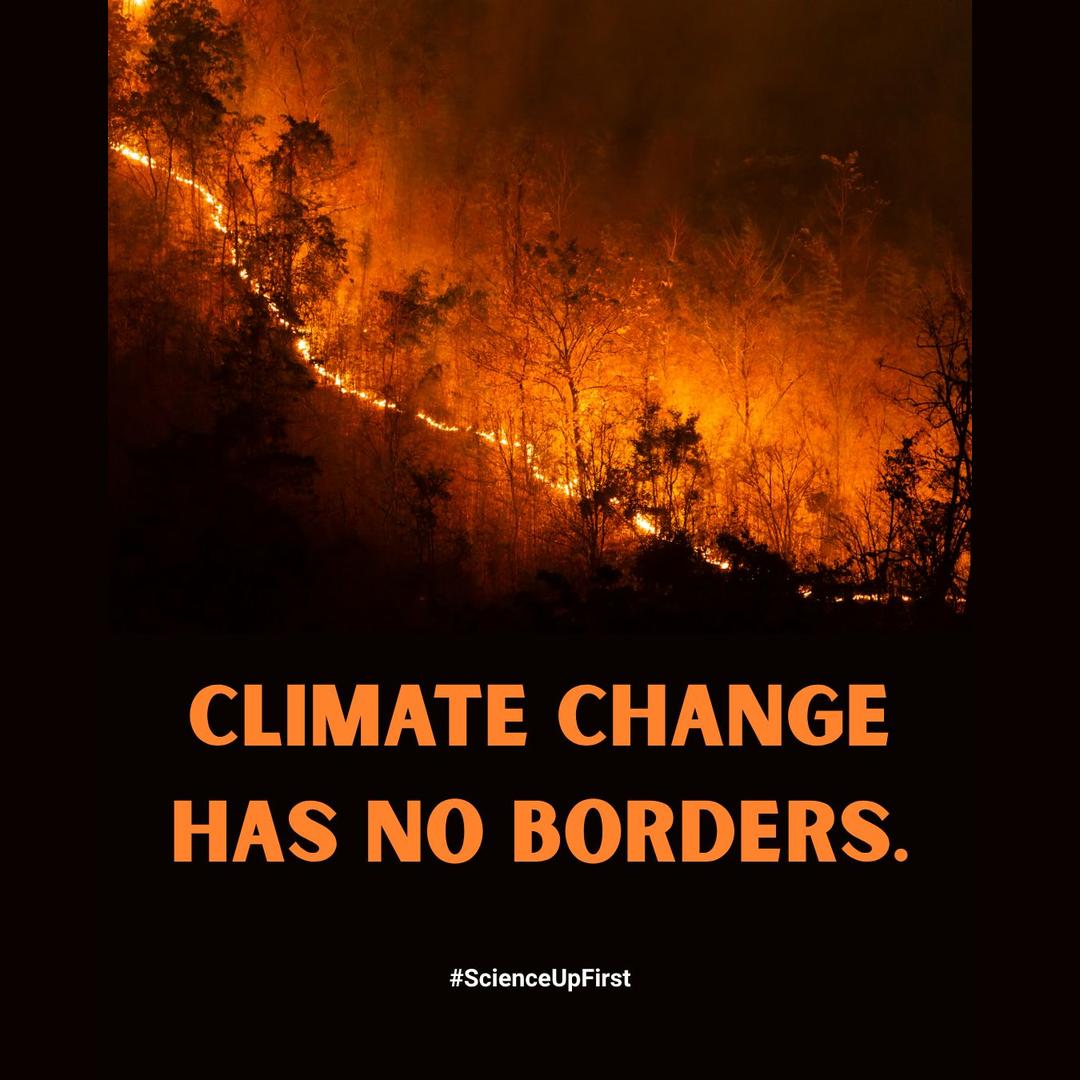
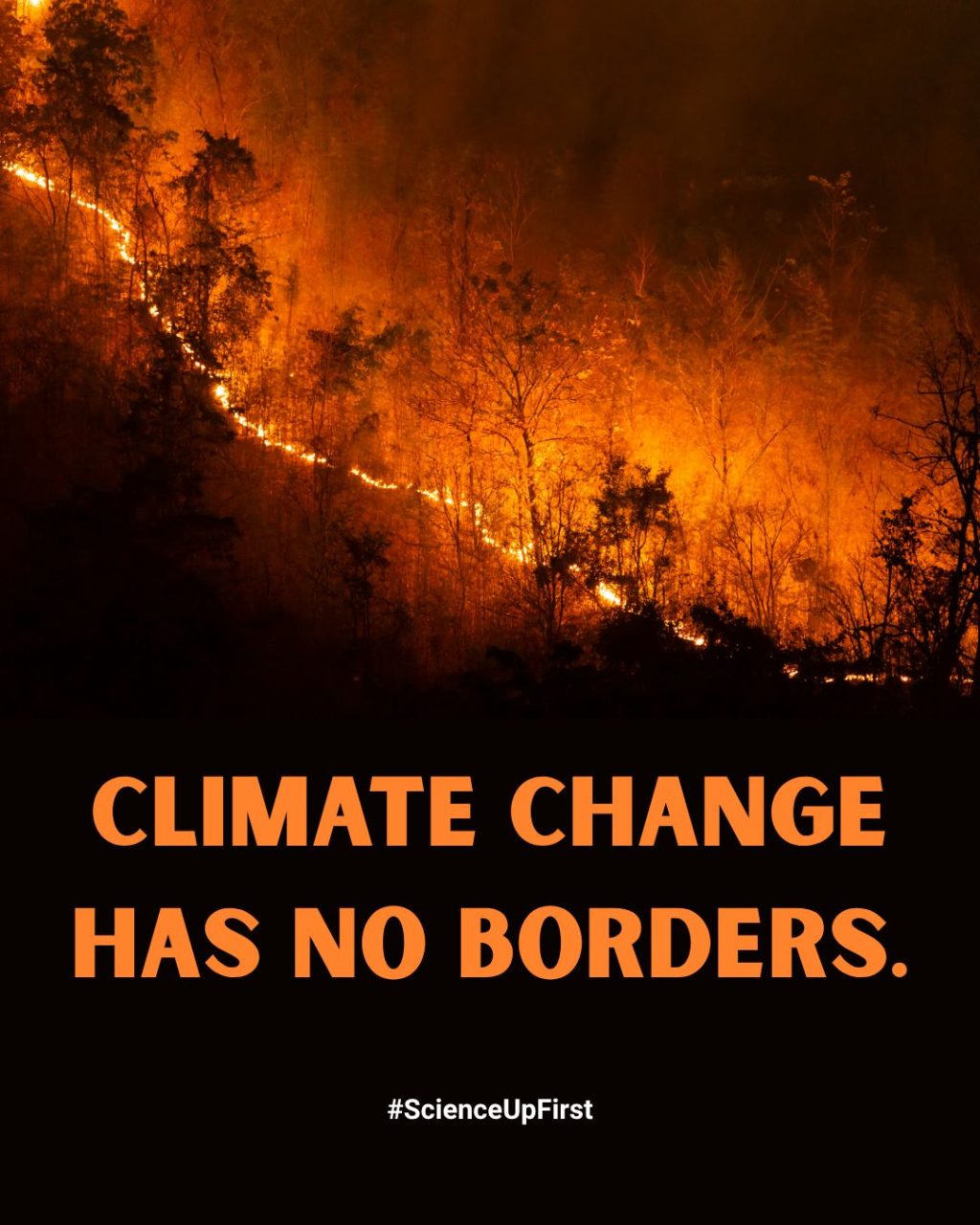
Donald Trump called recent wildfire smoke the result of “willful negligence” on Canada’s part, stemming from improper forest management. He’s even threatened financial consequences for contaminating American air (1). Yes, smoke crosses borders… and so do the impacts of climate policy and climate change.
The reality is that fire seasons worldwide have become longer and more intense, with extreme wildfire activity more than doubling since the early 2000s (2,3). The most impacted areas are forests in the Western U.S., northern North America, and northern Russia (3). The cause? Climate change due to human activities, which increases ‘fire weather’ – warmer temperatures, increased lightning strikes, and dry,windy days (3,4,5,6).
Experts forecast that these conditions will worsen, with parts of Canada seeing up to 300% more ‘fire weather’ – potentially burning twice as much area per year by 2099 (4,7,8).
Investment in wildfire management is essential, but no amount of fire fighting changes the fact that longer and fiercer fire seasons are a climate issue – one that Canada can’t solve alone. Both the United States and Canada are among the top emitters of greenhouse gases (9). We KNOW that climate change is caused by burning fossil fuels (10). The real ‘willful negligence’ is ignoring this fact and refusing to support climate policies and climate action. When countries don’t act on climate change – everyone suffers.
Canadian Climate Resources
- Climate Atlas – Interactive tools and maps to learn about climate change in Canada.
- Federal Nature Strategy – New funding from our federal government will invest over $3.8 billion in nature protections by 2030.
- Climate Action Network – Coalition of almost 200 organizations collaborating on climate action and advocating for climate justice in Canada. Their membership includes environmental, indigenous, health, religious, and youth groups alike working towards these common goals.
- Canadian Climate Institute – Current policy and the latest research about the transition away from fossil fuels.
- Climate Risk Institute – Nonprofit working to help partners to do risk assessment and adaptation planning, policy change, etc. related to climate change.
- Canadian Centre for Climate Services – federal government portal for climate resources, guidelines for local policy, etc.
- Canada in a Changing Climate – Showcases climate adaptation activities on an interactive map across the country, and summarizes findings in reports.
- Re.Climate – Practical, evidence-based reports, guides, and webinars on how Canadians actually think about climate change and how to break the spiral of silence.
- Trump tells Carney to take action on wildfire smoke during World Cup chat | CBC News | 20 July 2026
- Increasing frequency and intensity of the most extreme wildfires on Earth | Nature Ecology & Evolution | 24 June 2024
- Wildfires and Climate Change | NASA Science
- Forest Fires and Climate Change | Climate Atlas of Canada
- Implications of changing climate for global wildland fire | 10 August 2009
- Global wildfire patterns and drivers under climate change | European Geosciences Union | 3 December 2025
- Projected changes in daily fire spread across Canada over the next century | Environmental Research Letters | 2 February 2017
- Fire and Climate Change | University of Alberta’s Mike Flannigan – Professor of Wildland Fire
- Global greenhouse gas emissions | Government of Canada | 5 January 2026
- AR6 Synthesis Report: Climate Change 2023 | IPCC | March 2023
Share our original Bluesky Post!
View our original Instagram Post!