
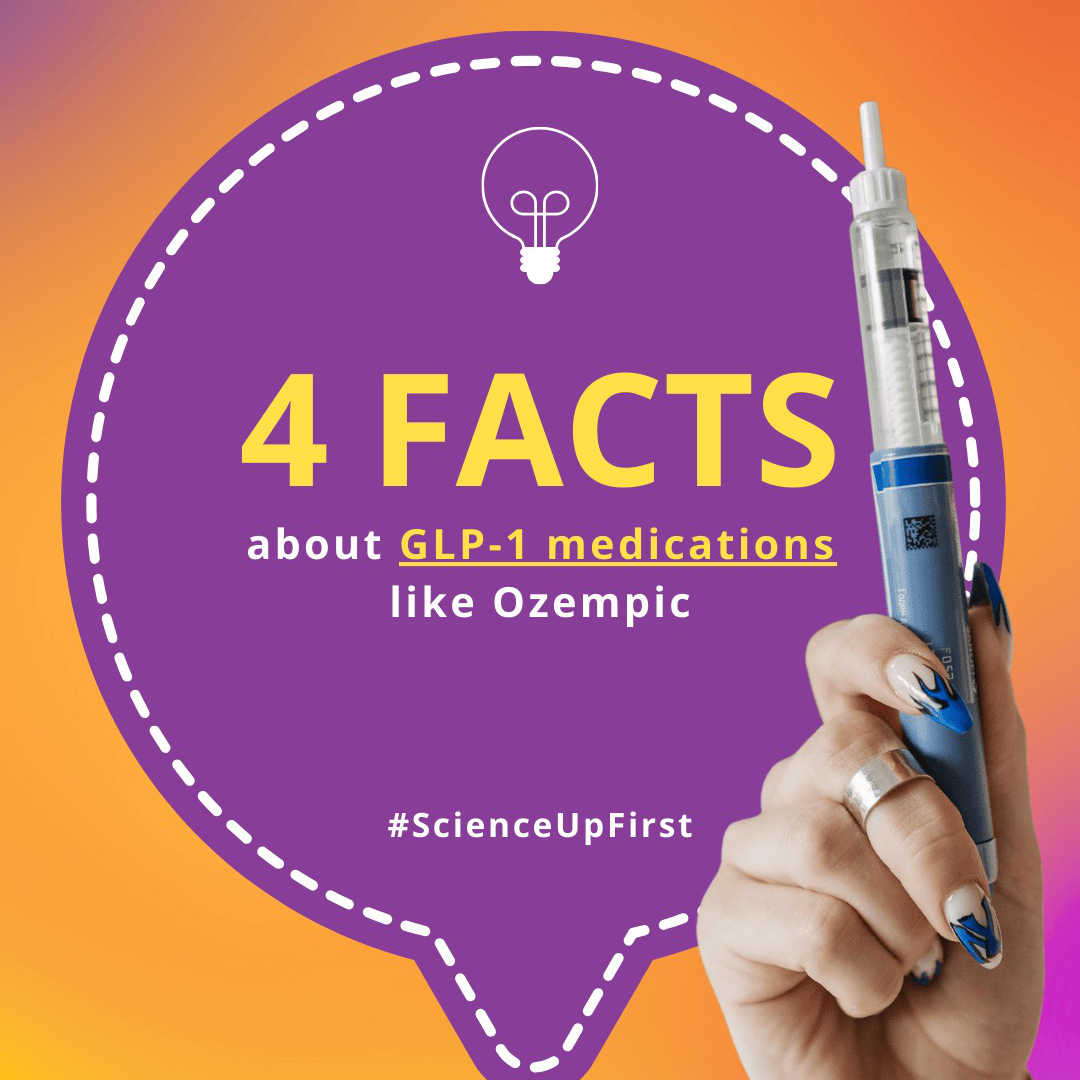
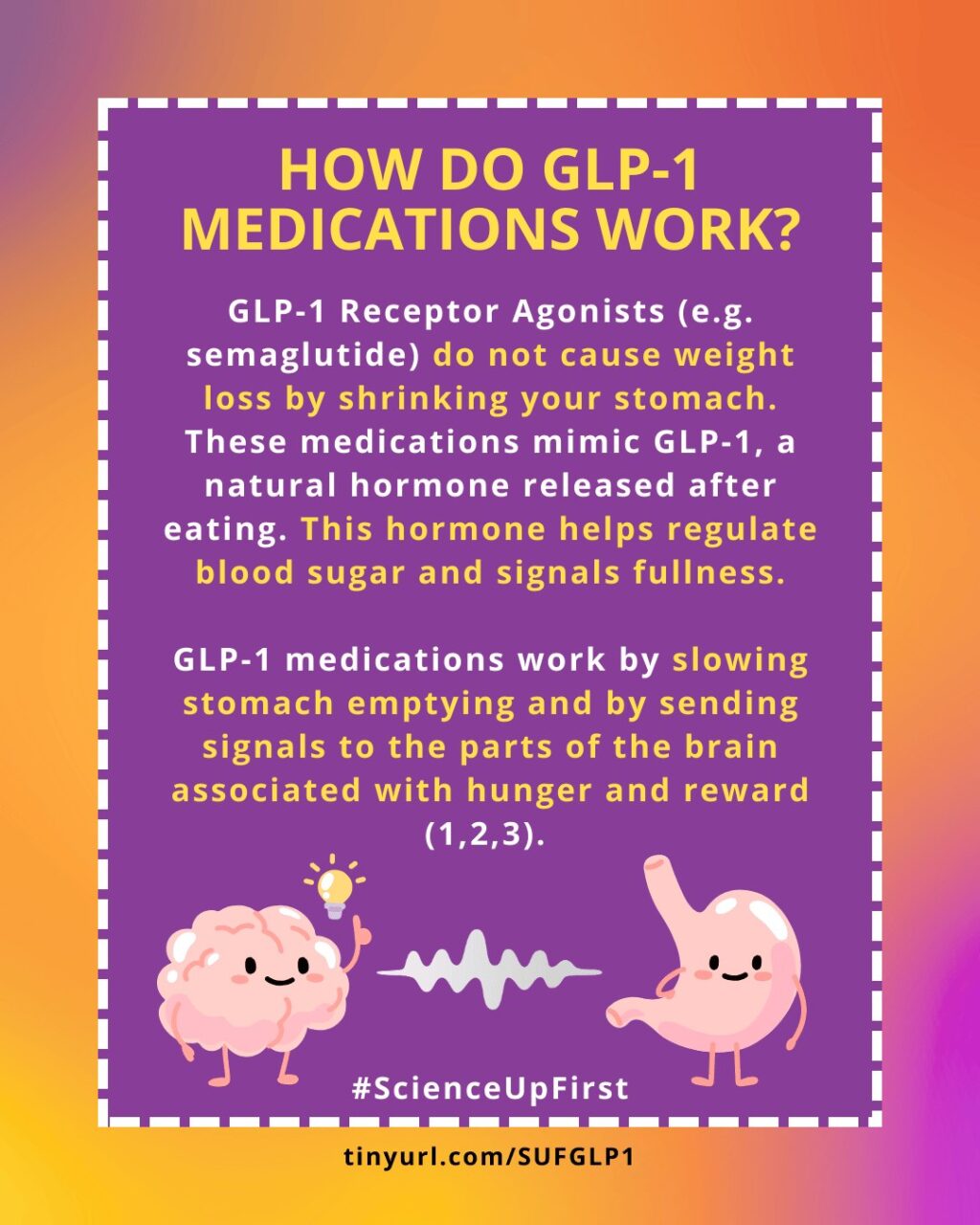
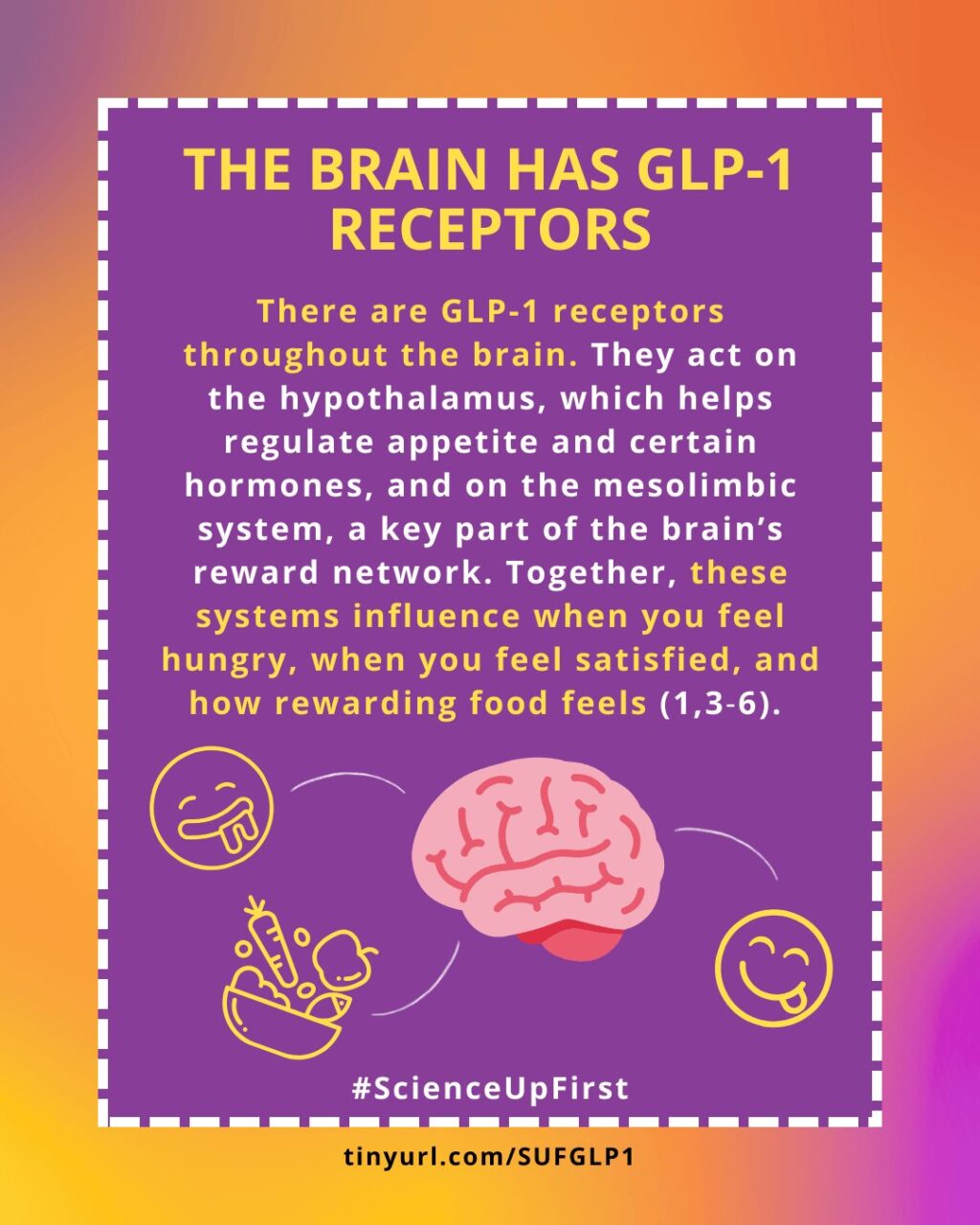
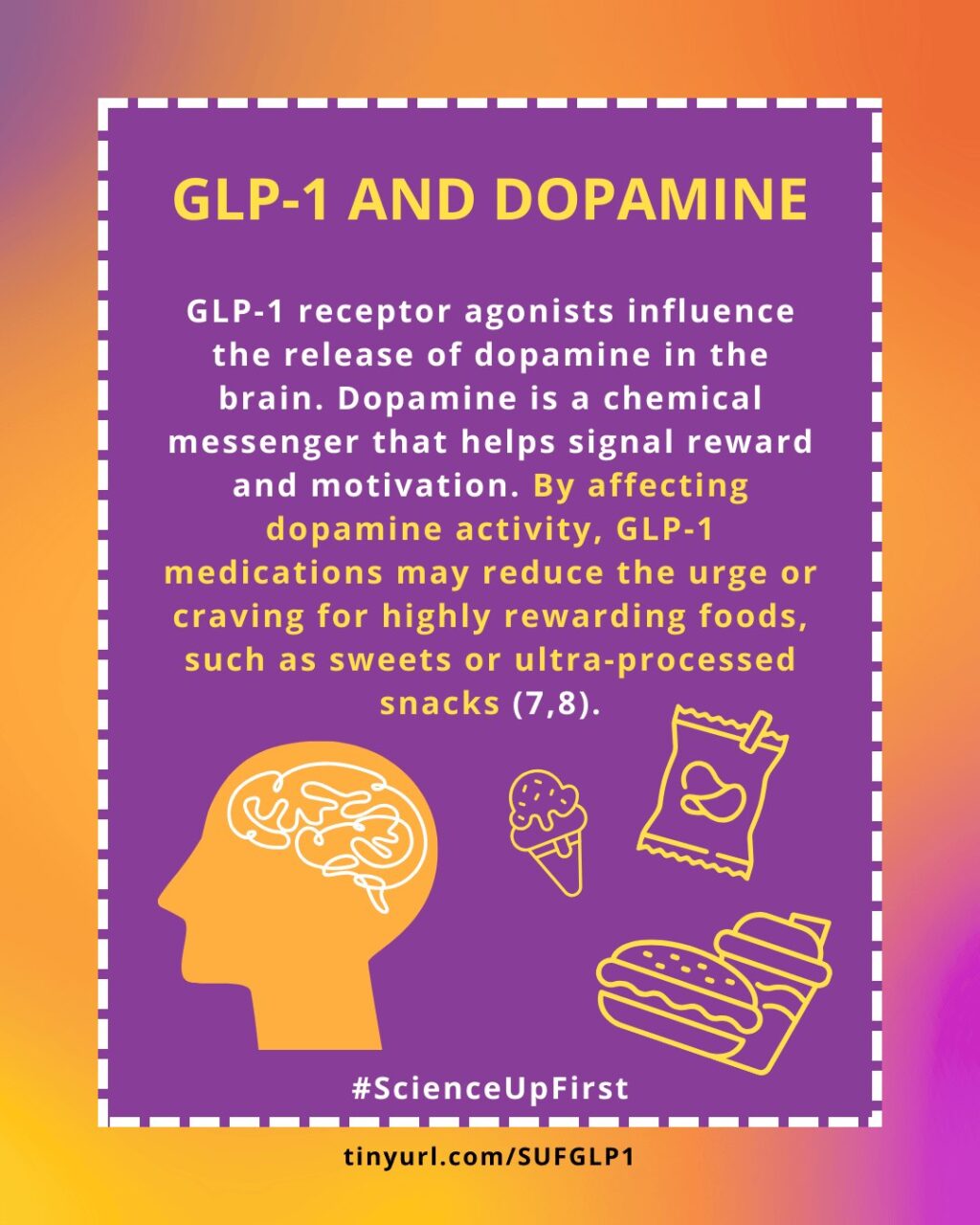
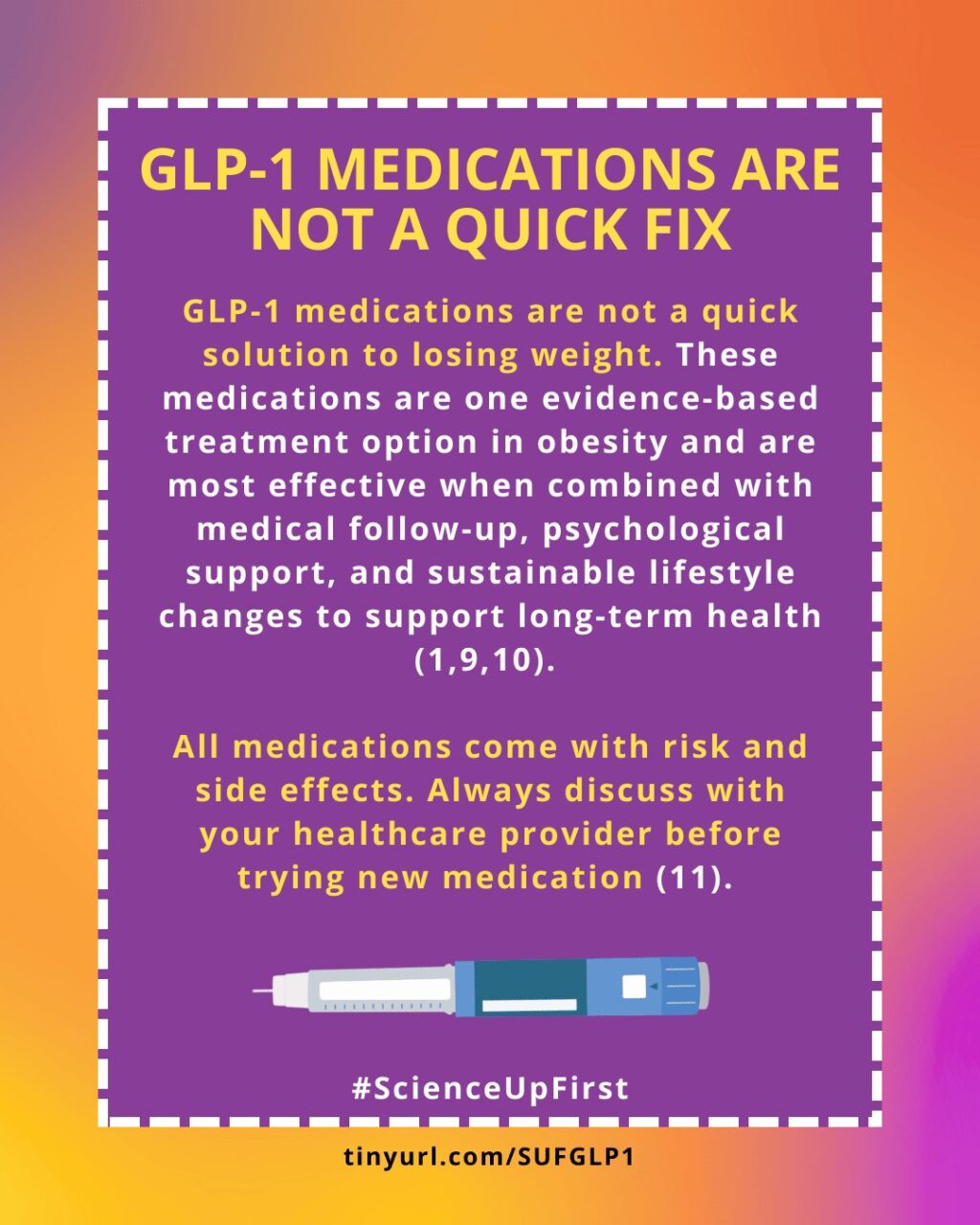
GLP-1 medications like Ozempic are often talked about for weight loss, but there’s a lot of information online, and not all of it is accurate.
So how do these medications actually work in the body and brain? Swipe to learn 4 key facts. 👉
This post was made in collaboration with @camhnews.
Sources
- Managing your obesity | Obesity Canada
- GLP-1 Agonists: What They Are, How They Work & Side Effects | Cleveland Clinic | 2023
- Mechanisms of GLP-1 Receptor Agonist-Induced Weight Loss: A Review of Central and Peripheral Pathways in Appetite and Energy Regulation | The American Journal of Medicine | June 2025
- GLP-1 Mechanisms in the Brain – Examining Glucagon-Like Peptide-1 Receptor (GLP-1R) Agonists for Central Nervous System Disorders | National Library of Medicine | May 2025
- Physiology, Hypothalamus | StatPearls – NCBI Bookshelf | May 2023
- Mesolimbic Pathway – an overview | ScienceDirect Topics
- The Science of Obesity | Canadian Adult Obesity Clinical Practice Guidelines – Obesity Canada & The Canadian Association of Bariatric Physicians and Surgeons | 2020
- Neurobiological Mechanisms and Therapeutic Potential of Glucagon-like Peptide-1 Receptor Agonists in Binge Eating Disorder: A Narrative Review | International Journal of Molecular Sciences | November 2025
- The semaglutide era considering medication-related weight gain | Quick Takes Podcast – CAMH | July 2025
- Weight regain after cessation of medication for weight management: systematic review and meta-analysis | The BMJ January 2026
- GLP-1 diabetes and weight-loss drug side effects: “Ozempic face” and more – Harvard Health | Harvard Health Publishing – Harvard Medical School | February 2024
Share our original Bluesky Post!
GLP-1 medications like Ozempic are often talked about for weight loss, but there’s a lot of information online, and not all of it is accurate. So how do these medications actually work in the body and brain? Learn more here 👇 scienceupfirst.com/lifestyle-be… 1/2 🧵
— ScienceUpFirst (@scienceupfirst.bsky.social) March 17, 2026 at 12:51 PM
[image or embed]
View our original Instagram Post!