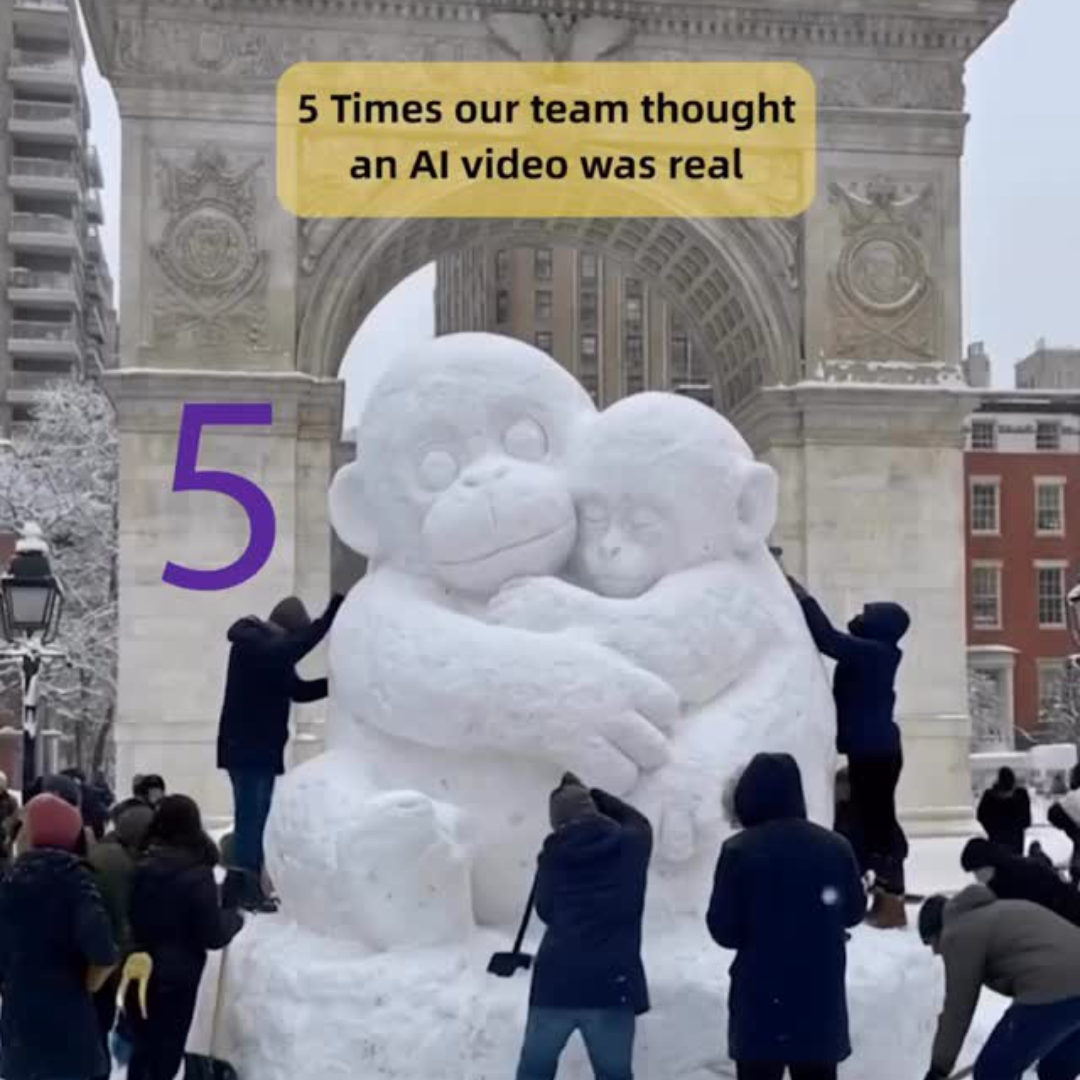
Think you can always spot an AI image? Think again. It is getting harder.
Older clues like weird hands or uneven eyes are becoming less common with newer AI tools. That means we cannot rely on visuals alone.
Here are a few smarter ways to check:
Look for the original source 🔎
Who posted the image first? Are they a trustworthy source?
Check other sources 📰
Are other outlets reporting the same story or showing the same image? If a major event really happened, multiple sources should be talking about it.
Pause if it triggers strong emotions 😡
Posts that make you feel shocked, angry, or excited are more likely to spread misinformation.
Use fact-checking tools 🧰
Sites like Snopes, FactCheck.org, PolitiFact, and Reuters Fact Check can help verify viral claims. You can also always ask us or use MediaSmarts custom search engine that scans several of the most popular fact checker websites we just mentioned and more!
You can still treat suspicious visuals as red flags (one extra finger is still a good cue the video is AI generated), but are not reliable proof anymore. AI images do not always look odd, and real photos can look unusual.
We all like to think we are good at spotting misinformation online. In reality, it can be tricky. The good news is, you do not need to be an expert to question what you see online. A quick pause and a few checks can go a long way.
Today, (March 27, 2026) is Canada’s first #AILiteracyDay hosted by our friends @mediasmarts.ca ! We pulled all these tips from their terrific resources. Visit their website to learn more.
Share our original Bluesky Post!
View our original Instagram Post!