
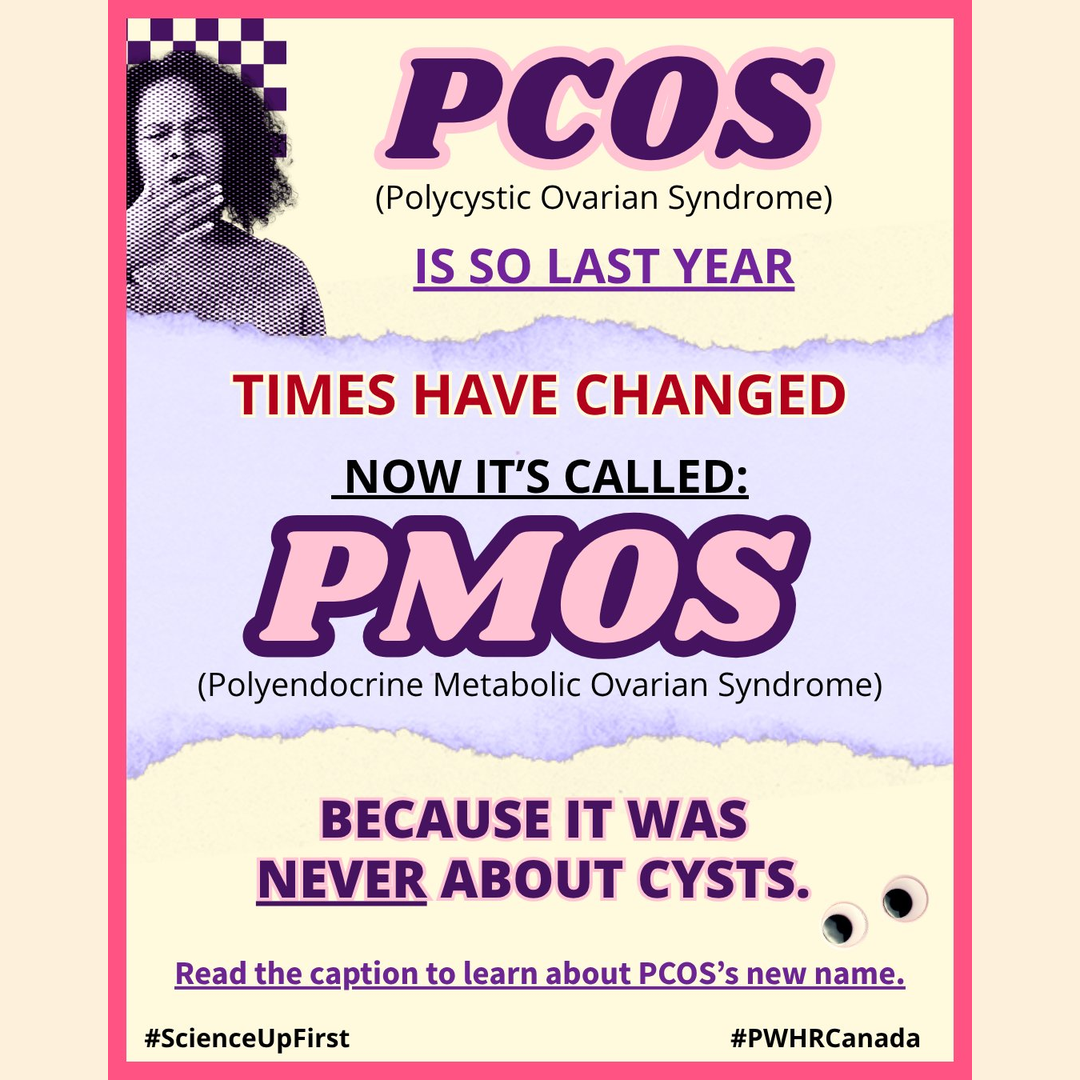
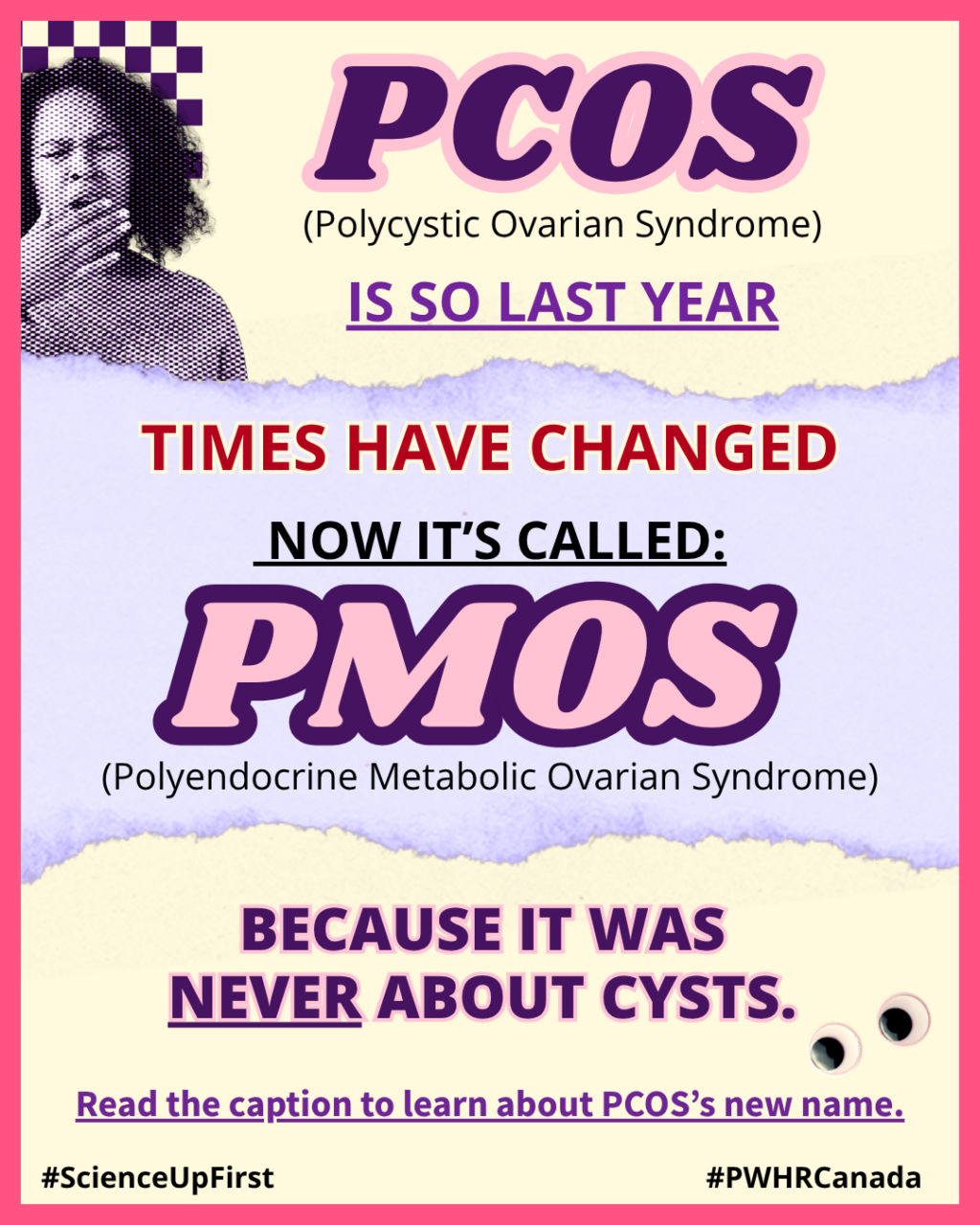
PCOS (Polycystic Ovary Syndrome) is being renamed to PMOS (Polyendocrine Metabolic Ovarian Syndrome) to better reflect the health impact of the condition (1).
The old name focused on “polycystic ovaries” even though the condition does not actually involve ovarian cysts. Instead, some people have immature fluid-filled follicles in the ovaries, while others don’t even have these changes at all. This focus contributed to delayed diagnosis, misunderstandings, and fragmented care.
PMOS better captures the reality: this condition can affect hormones, metabolism, ovulation, fertility, skin, mental health, and cardiometabolic risk and increased risk of diabetes and cardiovascular disease.
Sometimes changing the name changes the care.
We’re planning a CoffeeUpFirst this fall with a PMOS research specialist that was involved in the Global Name Change working group. If you have questions about PMOS, symptoms, diagnosis, treatment, or myths you’ve heard, leave them in our IG comments and we may answer them in the episode 👇
This post was made in collaboration with @pwhrcanada.
Resources
The new name, Polyendocrine Metabolic Ovarian Syndrome (PMOS), has just been published in The Lancet and is being announced currently at the May 2026 European Congress of Endocrinology Conference.
Want to learn more about PMOS and why the name changed? Here are some answers to some common questions.
What is PMOS?
PMOS is a common condition that affects over 170 million women of reproductive age worldwide. It can affect many parts of the body including:
- Metabolic health (how the body converts food into energy)
- Reproductive health
- Psychological health
- Skin and hair health
Symptoms include irregular or absent menstrual cycles which may present as infertility, excess or male-pattern hair growth, severe acne, and other metabolic risks such as high blood pressure, high blood lipids, increased diabetes and heart disease risk. Managing the condition can be overwhelming and can lead to anxiety and depression.
How did experts decide on the new name?
Researchers gathered feedback from more than 22,000 patients, health professionals, patient organizations, and professional societies worldwide. They found that the new name needed to:
- Better reflect the condition’s hormonal and metabolic impacts
- Improve awareness and support multidisciplinary care
- Be easily transitioned into clinical, research, and policy environments
- Avoid unnecessary stigma linked to fertility or reproduction
- Be appropriate across different cultures and regions
Researchers then held international workshops to review possible names and gather further feedback before selecting PMOS.
Visit the Monash Centre for Health Research and Implementation (MCHRI) website to learn more about the new name, how it was chosen, and why it was needed. You’ll find patient and health professionals resources that have been translated in English, Arabic, Persian, Mandarin, German, Spanish, Portuguese, French, German and other languages.
PCOS together has also developed pathways to care for PMOS for physicians and patients. Check out their website pcos.together.ualberta.ca
Share our original Bluesky Post!
PCOS is getting a new name: PMOS (Polyendocrine Metabolic Ovarian Syndrome). Why? Because despite the name, PCOS never involved ovarian cysts 😱 (Say what?!) The new name better reflects the wide-ranging effects of the conditions on hormonal and metabolic health. 1/2 🧵
— ScienceUpFirst (@scienceupfirst.bsky.social) May 25, 2026 at 10:12 AM
[image or embed]
View our original Instagram Post!