
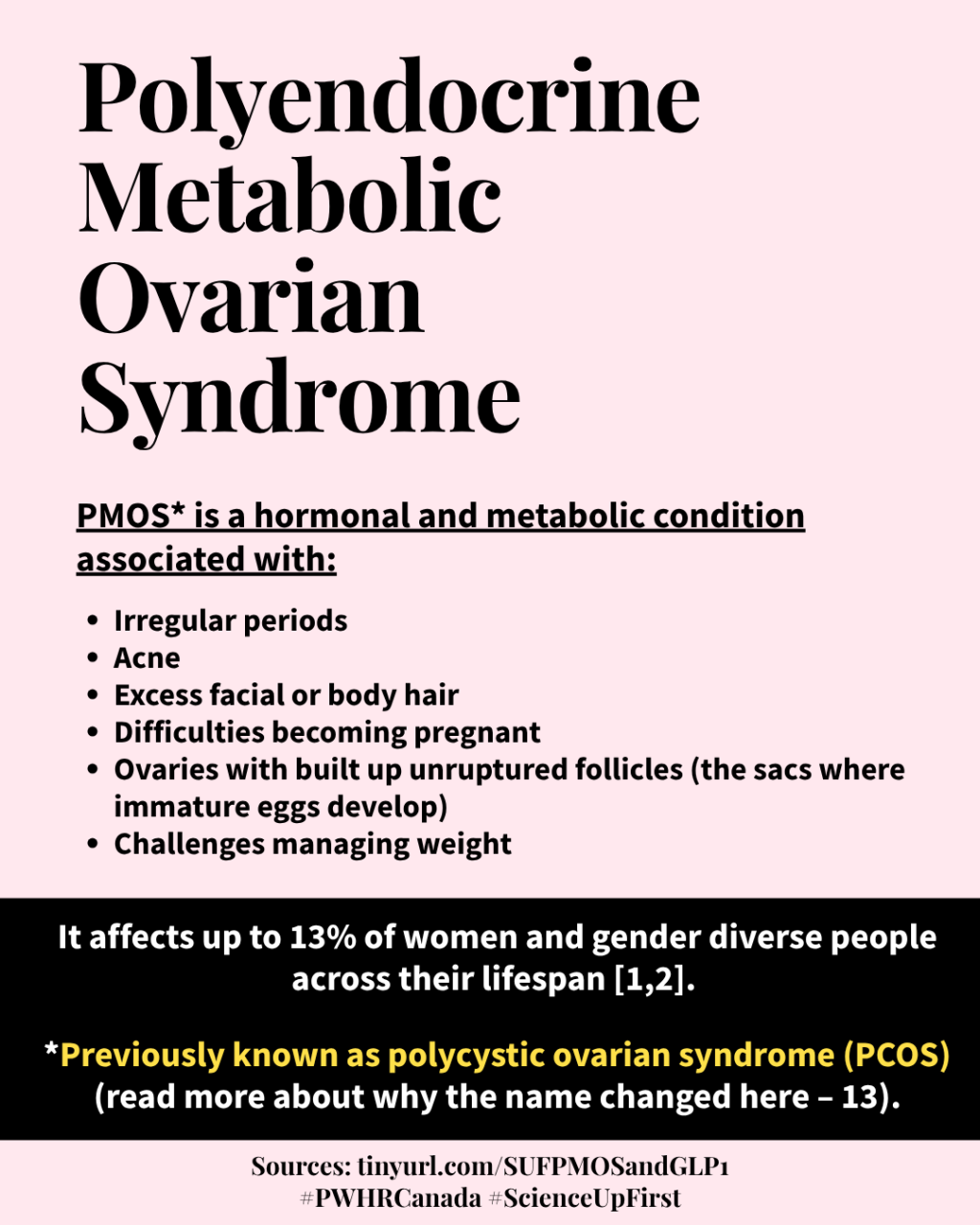
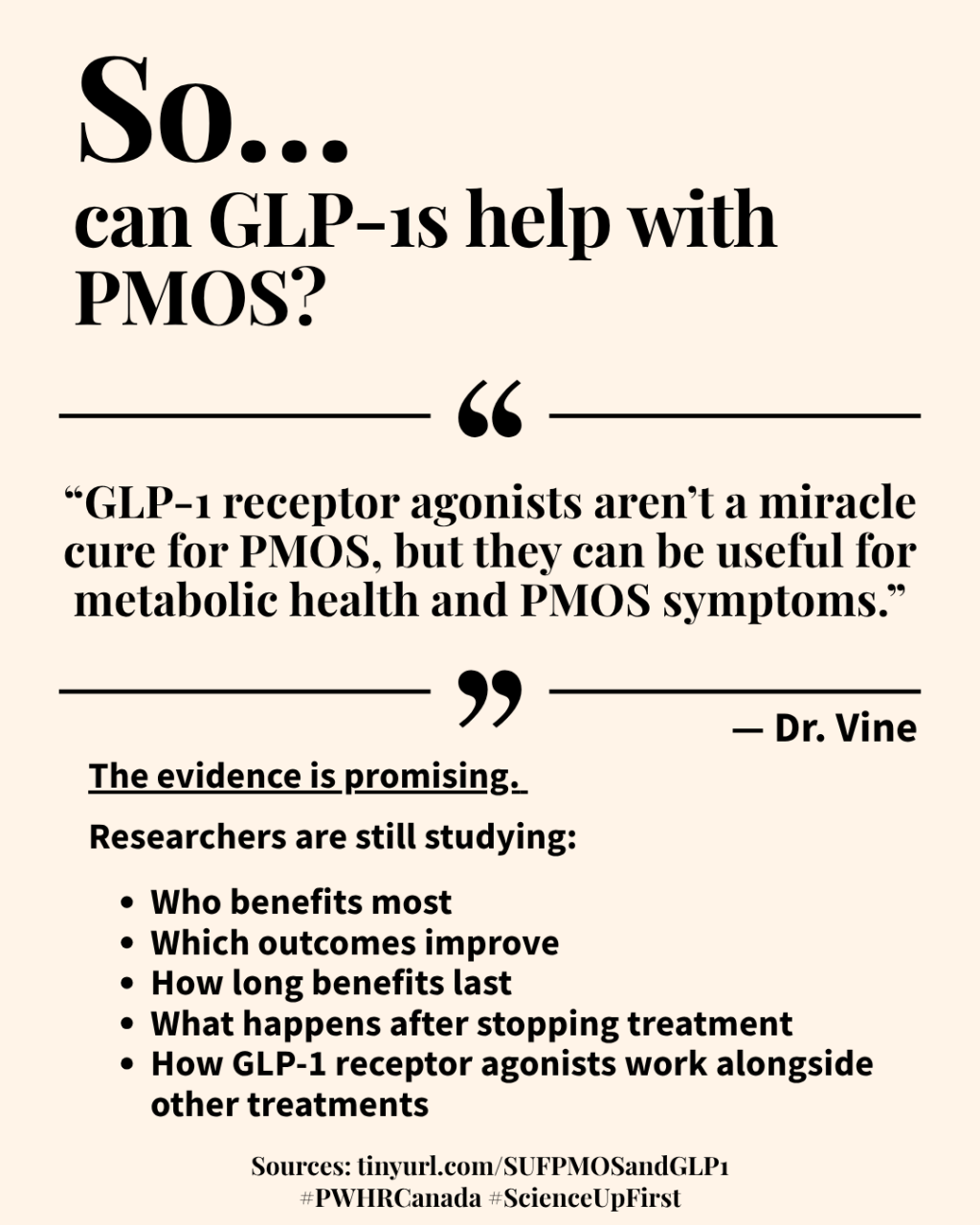
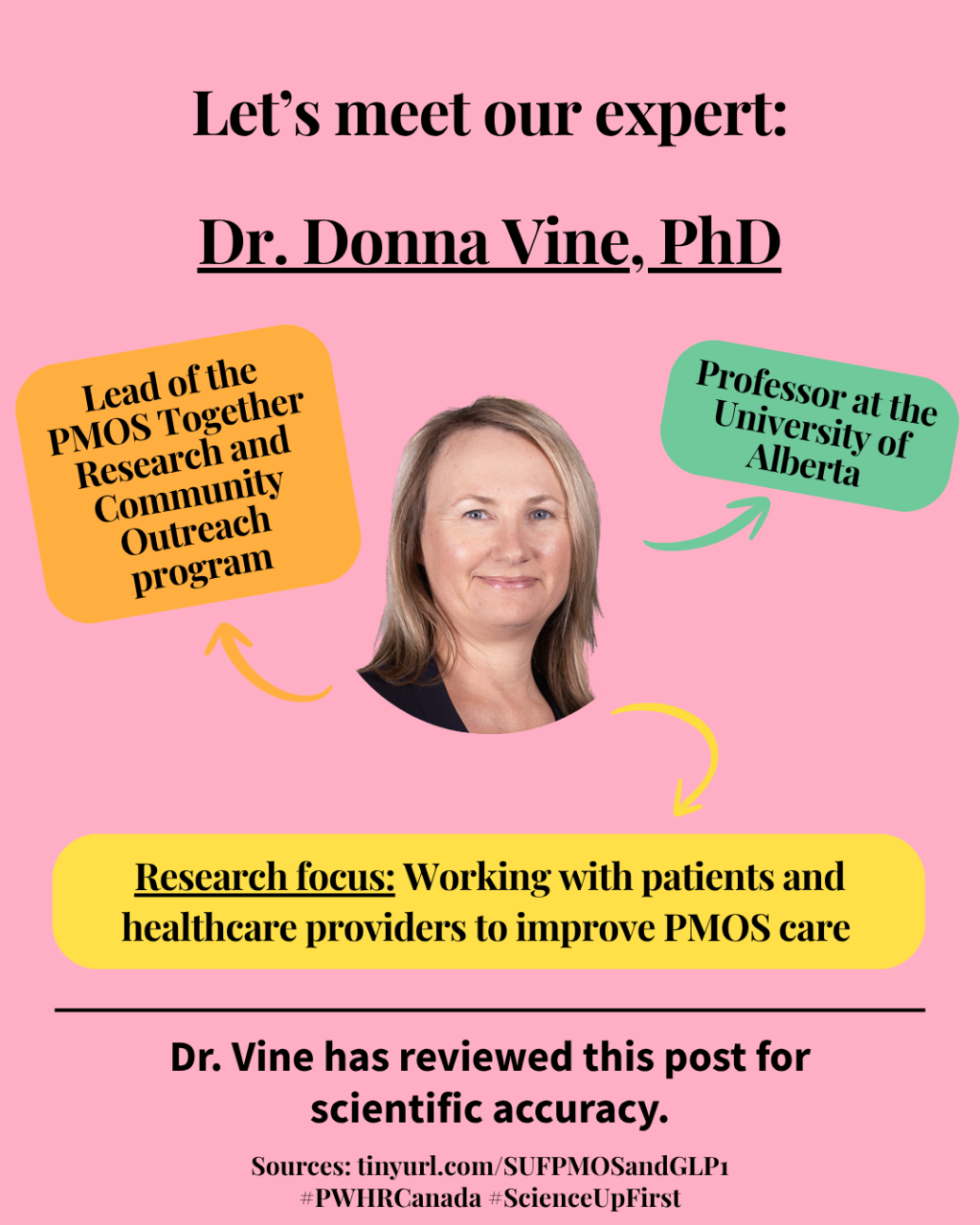
We are hosting a CoffeeUpFirst with PMOS expert Dr. Donna Vine on October 21! Have any questions about PMOS? Comment your questions below and we will try to answer them during the event!
This has been a collaboration with @PWHRCanada
Additional Information
What are follicles? How do they work when you have PMOS [10]?
A follicle is a small sac in the ovaries that contains one egg. They are constantly developing, but most stop growing before they fully mature.
Normally, each month, one follicle is the “dominant follicle.” It continues to mature until it breaks open and releases the egg.
In people with PMOS, increased androgens can interfere with the normal development of the follicles. Androgens are normally involved in follicle growth, but when androgen levels are too high (like in individuals with PMOS), an abnormally high number of follicles begin to grow.
Higher androgen levels can also disrupt signals between the brain and ovaries, causing increased luteinizing hormone. Luteinizing hormone is a hormone that helps follicles mature and triggers ovulation. When luteinizing hormone levels are persistently high, the normal pattern of hormone signals that cause ovulation are disrupted, making it harder for one follicle to become mature enough to release an egg (a.k.a ovulation doesn’t happen).
As a result, many small follicles are present in the ovaries at the same time and can group around the outside of the ovary like a “string of pearls”.
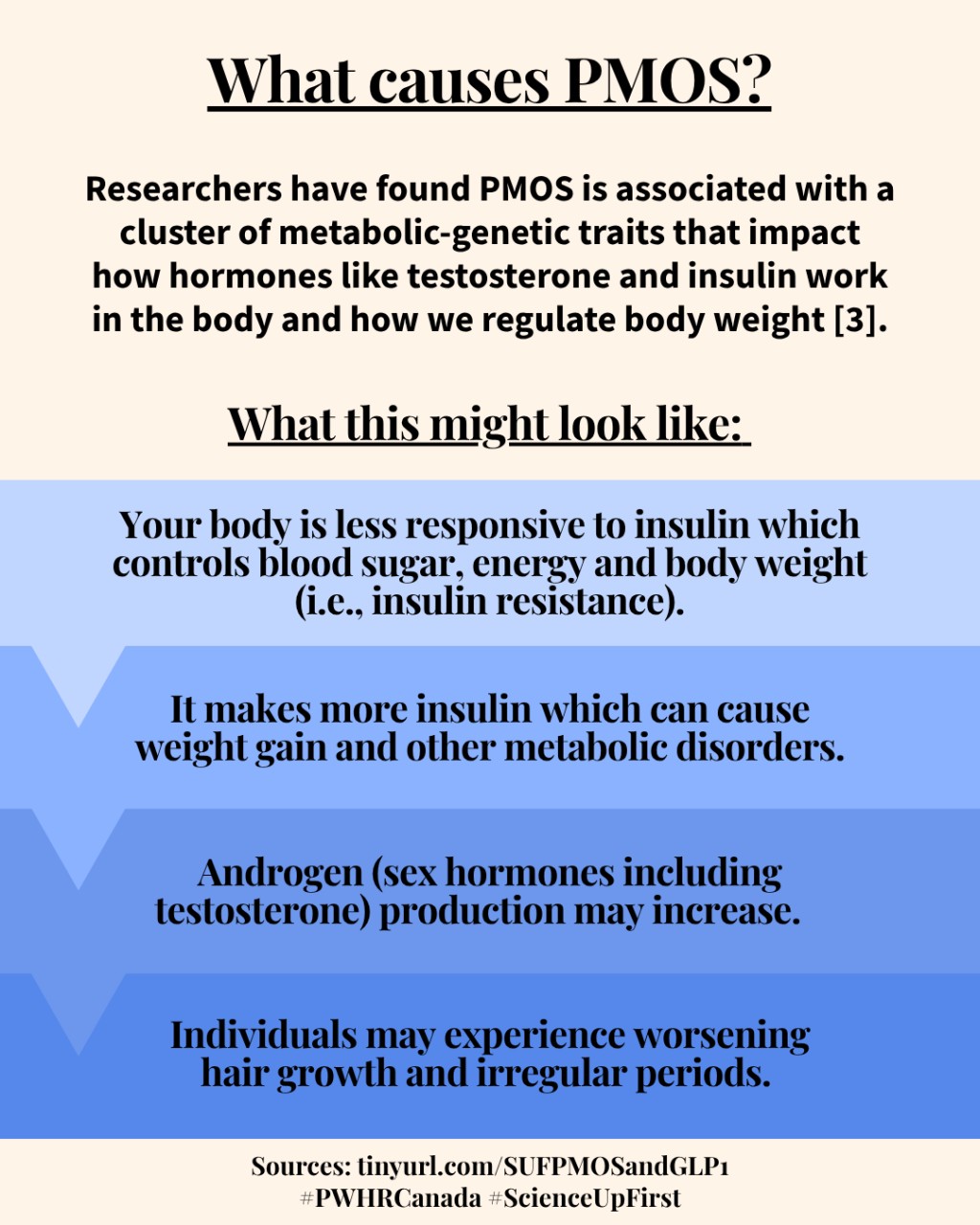
What causes PMOS?
Researchers are still unsure what exactly causes PMOS, but it may be related to genetics, epigenetics (how behaviour and environment affect how your genes work), or insulin resistance [3].
Will GLP-1 receptor agonists help my symptoms if I do not have insulin resistance?
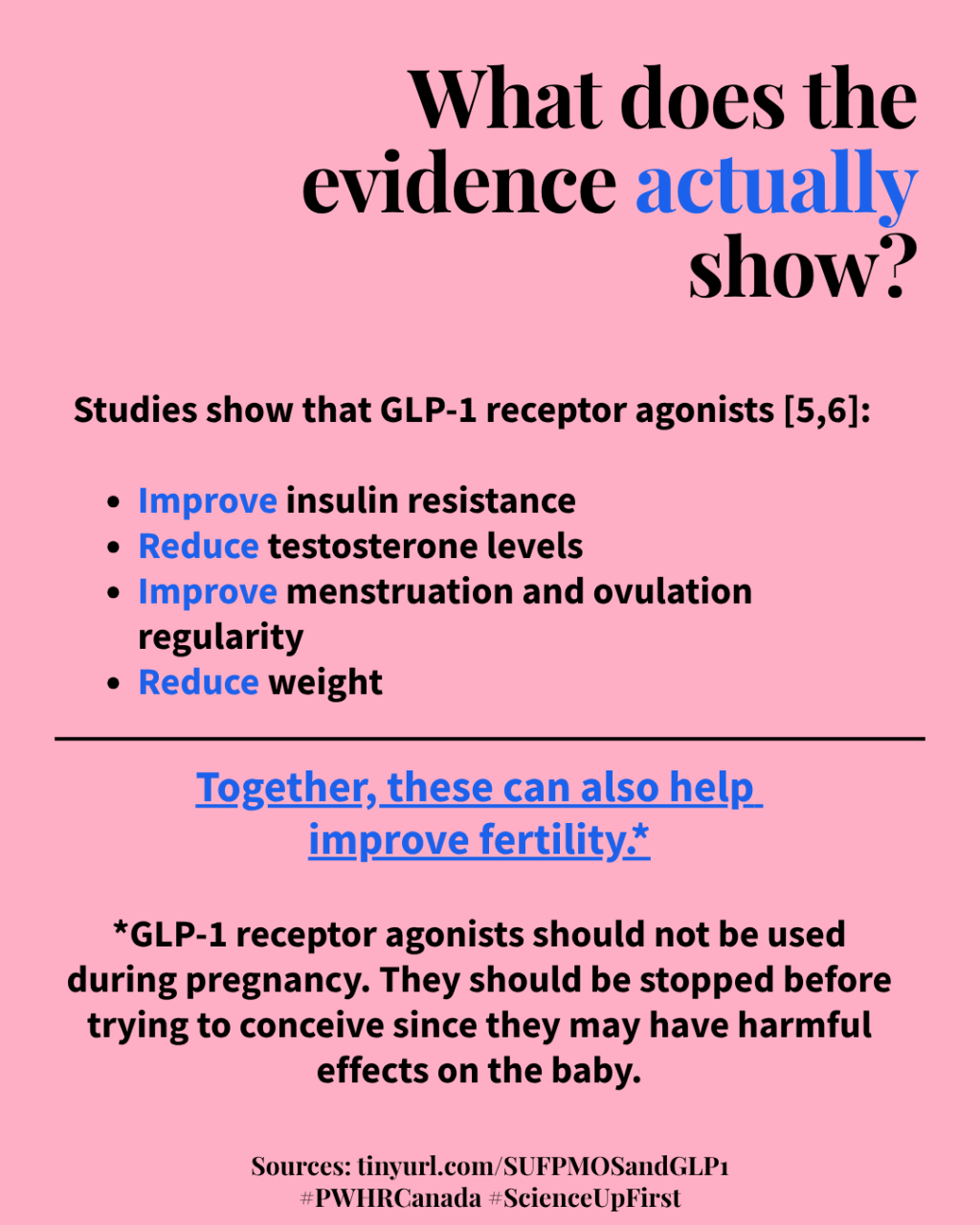
So far, PMOS research has studied people who have higher weights or have metabolic problems, so we are still unsure if it can help people who don’t have insulin resistance.
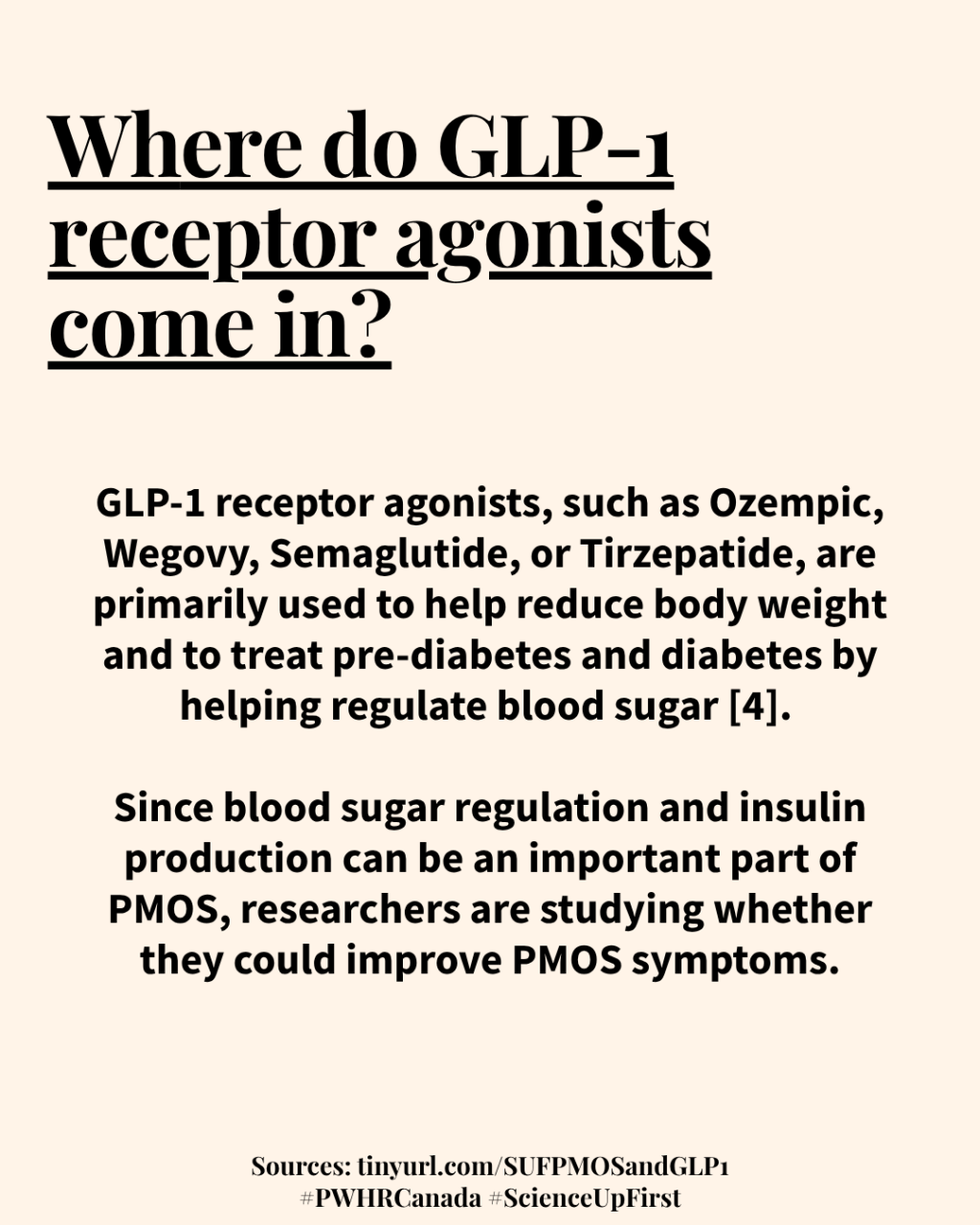
If you are having difficulties managing your weight, a GLP-1 receptor agonist can be helpful because it slows stomach emptying and makes you feel full for longer [3]. If you do not have difficulties managing your weight, GLP-1 receptor agonists may not be the right fit for you because it may lead to excessive weight loss. This is why it is always important to talk to your healthcare provider about what medications are right for you.
Is it safe to use GLP-1 receptor agonists if I’m pregnant?
Animal studies have found possible risks including reduced fetal growth and changes in bone development [11]. But human studies are limited, so we are not sure. Because of this, GLP-1 receptor agonists are not currently approved for use in pregnancy. You should use reliable contraception while taking them and stop using them for 1-2 months – depending on the medication – before a planned pregnancy [12]. If you are taking a GLP-1 receptor agonist and find out you are pregnant, this does not mean that you harmed your baby. Contact your healthcare provider to talk about next steps.
What if we combined GLP-1 receptor agonists and metformin?
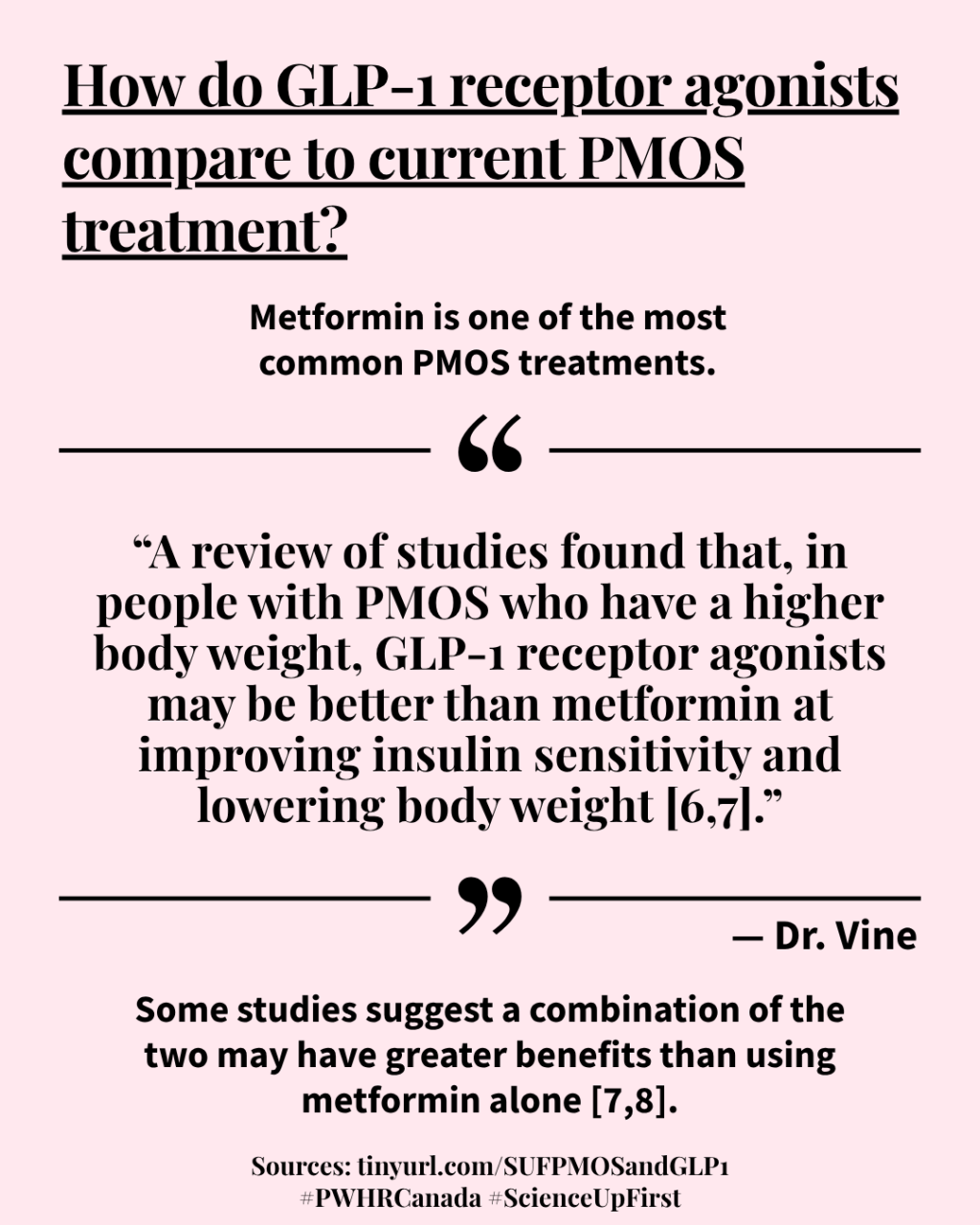
Some studies suggest a combination has greater benefits than using metformin alone, including improved body weight, insulin sensitivity, menstrual regularity, lower testosterone, and natural pregnancy rate [7,8].
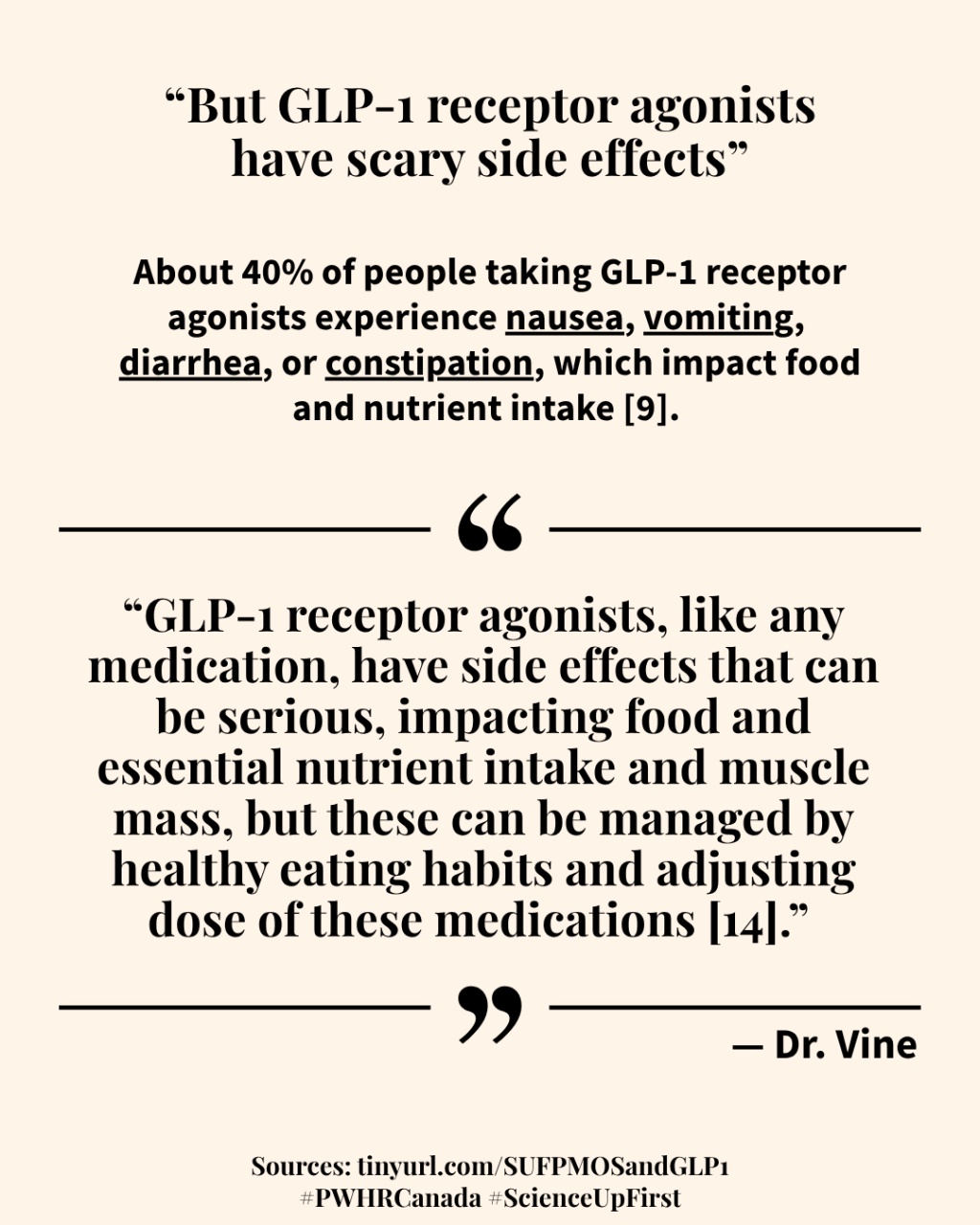
GLP-1 receptor agonists can have serious side effects
Inflammation of the pancreas, dizziness, vision problems, reduced blood pressure, and interaction with other medications are other possible adverse health outcomes [9].
- Polycystic ovary syndrome | World Health Organization | January 2026
- Polycystic Ovary Syndrome and Gender Identity | Yale Journal of Biology and Medicine | September 2020
- Polycystic ovary syndrome | Nature Reviews Disease Primers | April 2024
- How glucagon-like peptide 1 receptor agonists work | Endocrine Connections | June 2021
- Effects of GLP1RAs on pregnancy rate and menstrual cyclicity in women with polycystic ovary syndrome: a meta-analysis and systematic review | BMC Endocrine Disorders | November 2023
- GLP-1 receptor agonists versus metformin in PCOS: a systematic review and meta-analysis | Reproductive BioMedicine Online | August 2019
- Comparison of GLP-1 Receptor Agonists Combined with Metformin Versus Metformin Alone in the Management of PCOS: A Comprehensive Meta-Analysis | Reproductive Sciences | January 2025
- Effects of combined metformin and semaglutide therapy on body weight, metabolic parameters, and reproductive outcomes in overweight/obese women with polycystic ovary syndrome: a prospective, randomized, controlled, open-label clinical trial | Reproductive Biology and Endocrinology | July 2025
- Side effects of GLP-1 receptor agonists | The BMJ | August 2025
- Scientific Statement on the Diagnostic Criteria, Epidemiology, Pathophysiology, and Molecular Genetics of Polycystic Ovary Syndrome | Endocrine Reviews | October 2015
- Effects of GLP-1 agonists and SGLT2 inhibitors during pregnancy and lactation on offspring outcomes: a systematic review of the evidence | Frontiers in Endocrinology | October 2023
- Glucagon-like peptide-1 receptor agonists during pregnancy and lactation | CMAJ | December 2024
- From PCOS to PMOS | ScienceUpFirst | May 2026
- Nutrition Care and Dietetic Practice in Managing Metabolic and Endocrine Dysfunction in Polyendocrine Metabolic Ovarian Syndrome (PMOS): Implications and Opportunities in the Context of the Name Change of Polycystic Ovarian Syndrome to PMOS | Advances in Nutrition | October 2026
Share our original Bluesky Post!
View our original Instagram Post!