
An oft-cited study from 2018 found that misinformation travels “farther, faster, deeper, and more broadly than the truth” – in part, because lies are often more interesting than facts. A more recent analysis came to a similar conclusion, finding that misinformation on Facebook got six times more “likes, shares, and interactions on the platform as did trustworthy news sources.” (September 28, 2021)
Category: Misinformation 101
-
Our Favourite Books
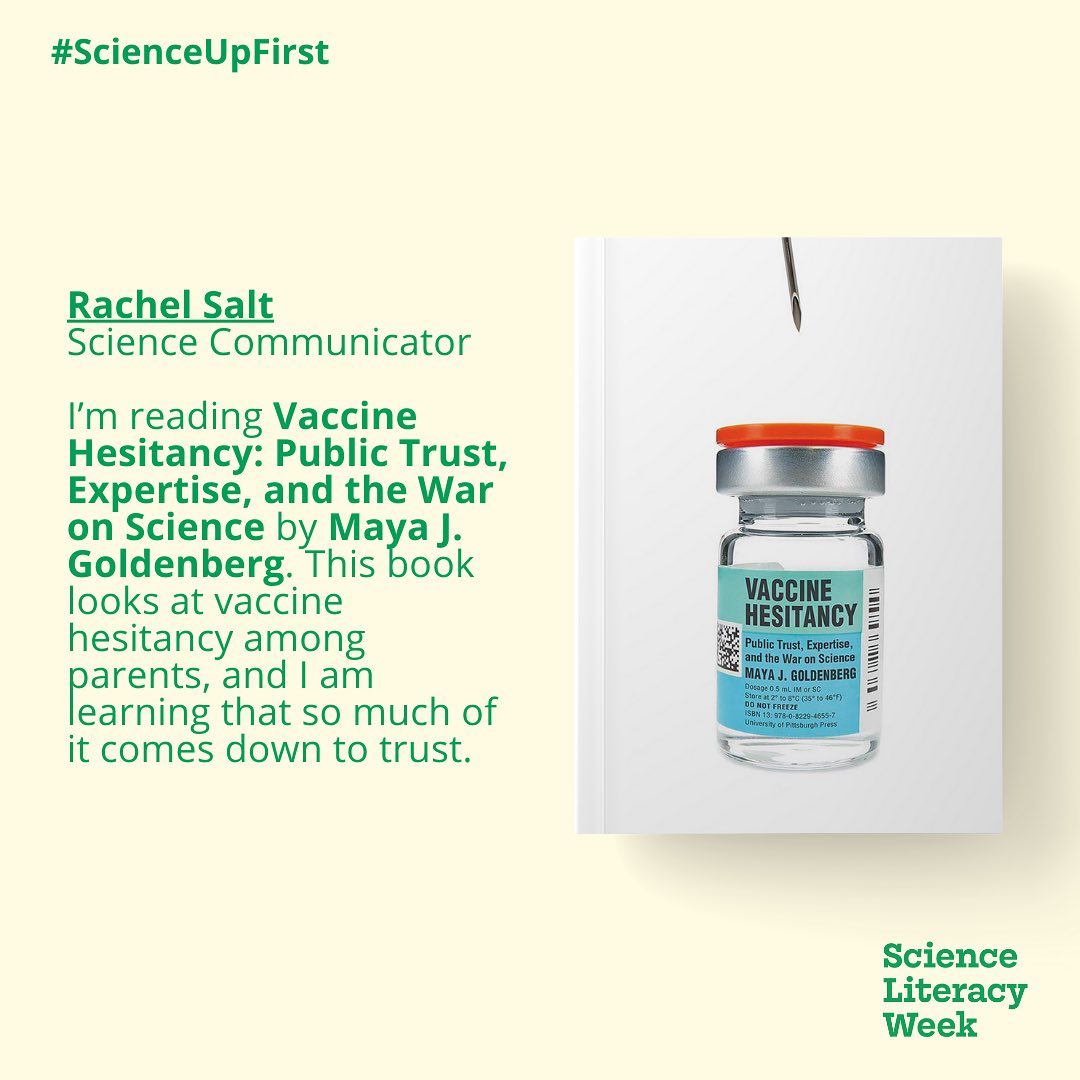
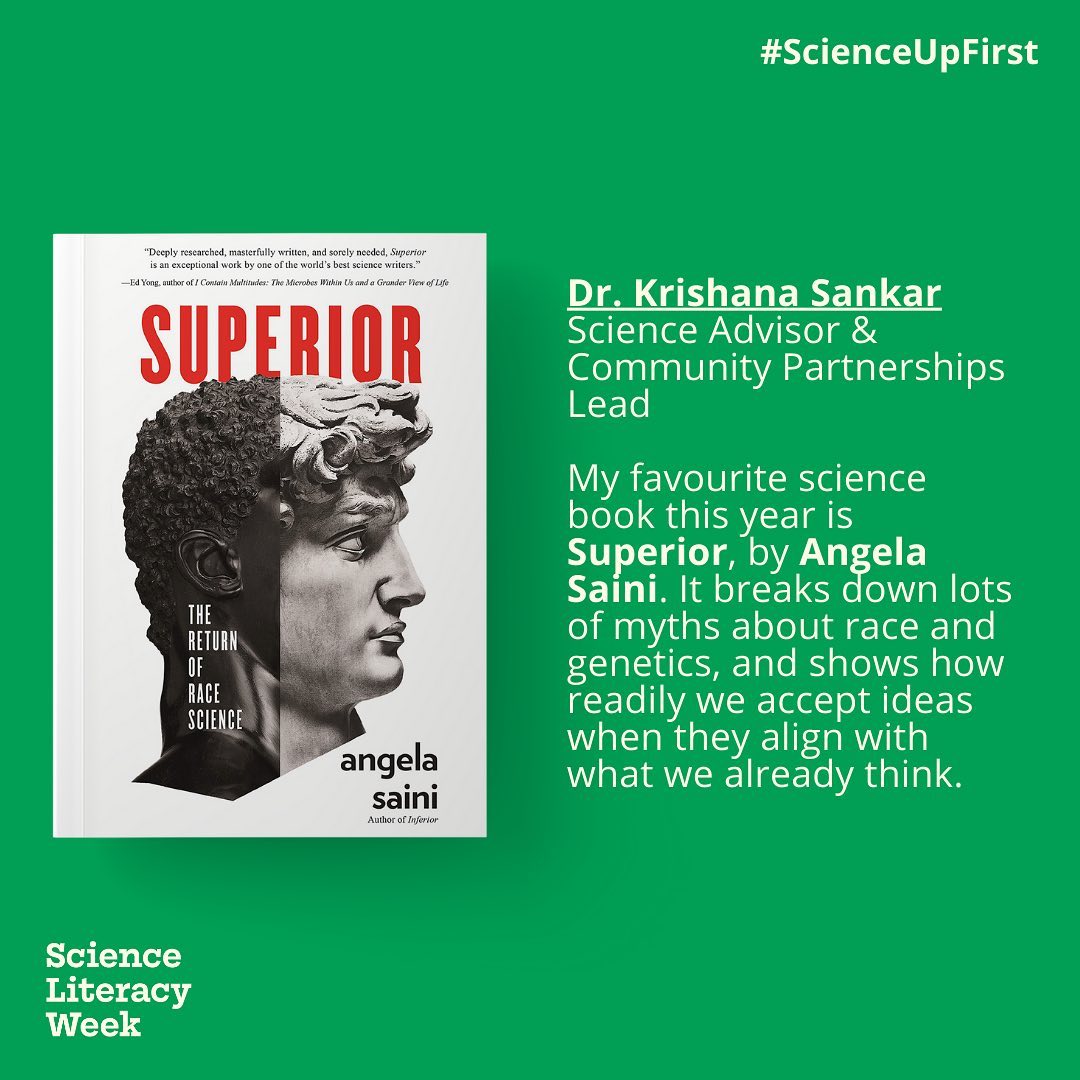
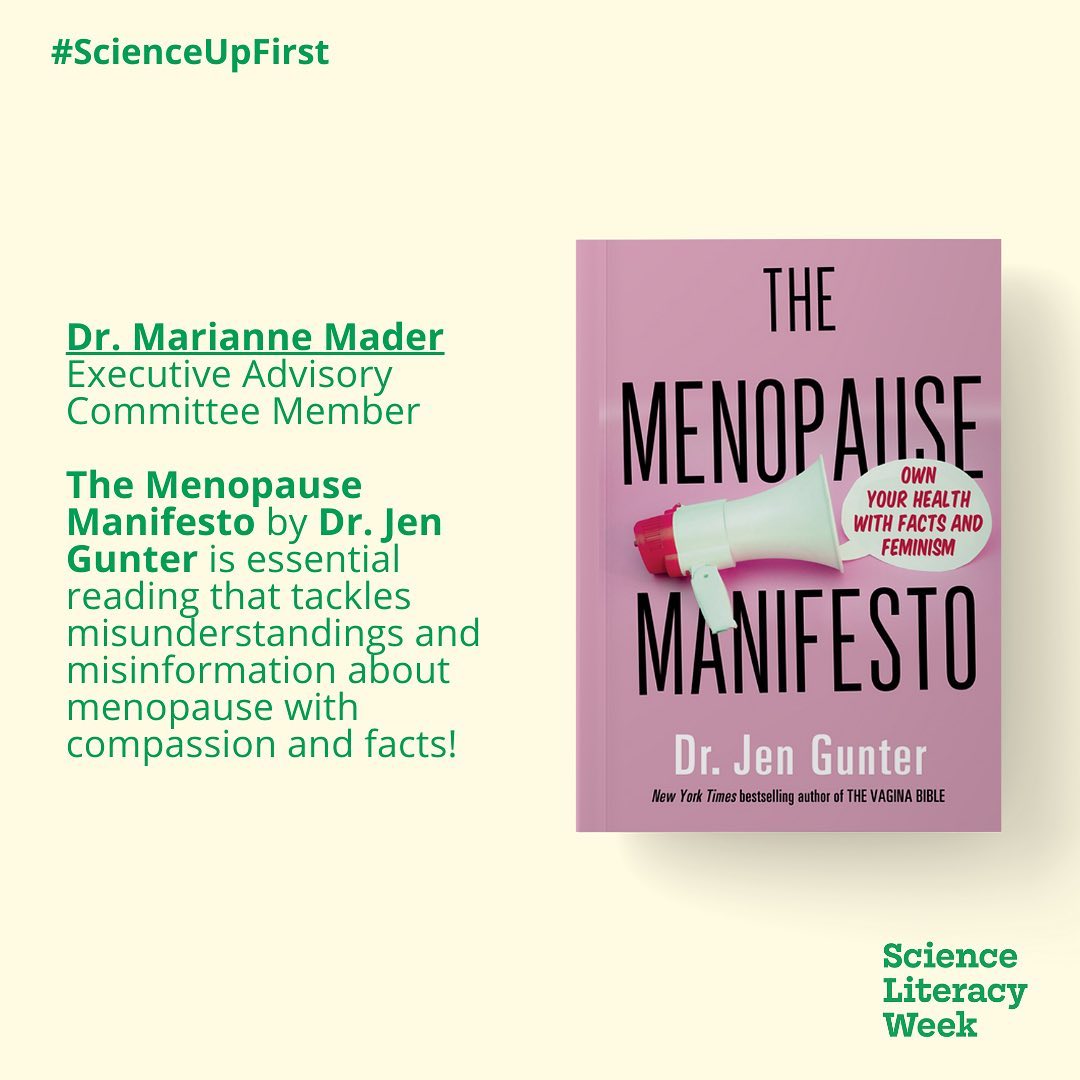
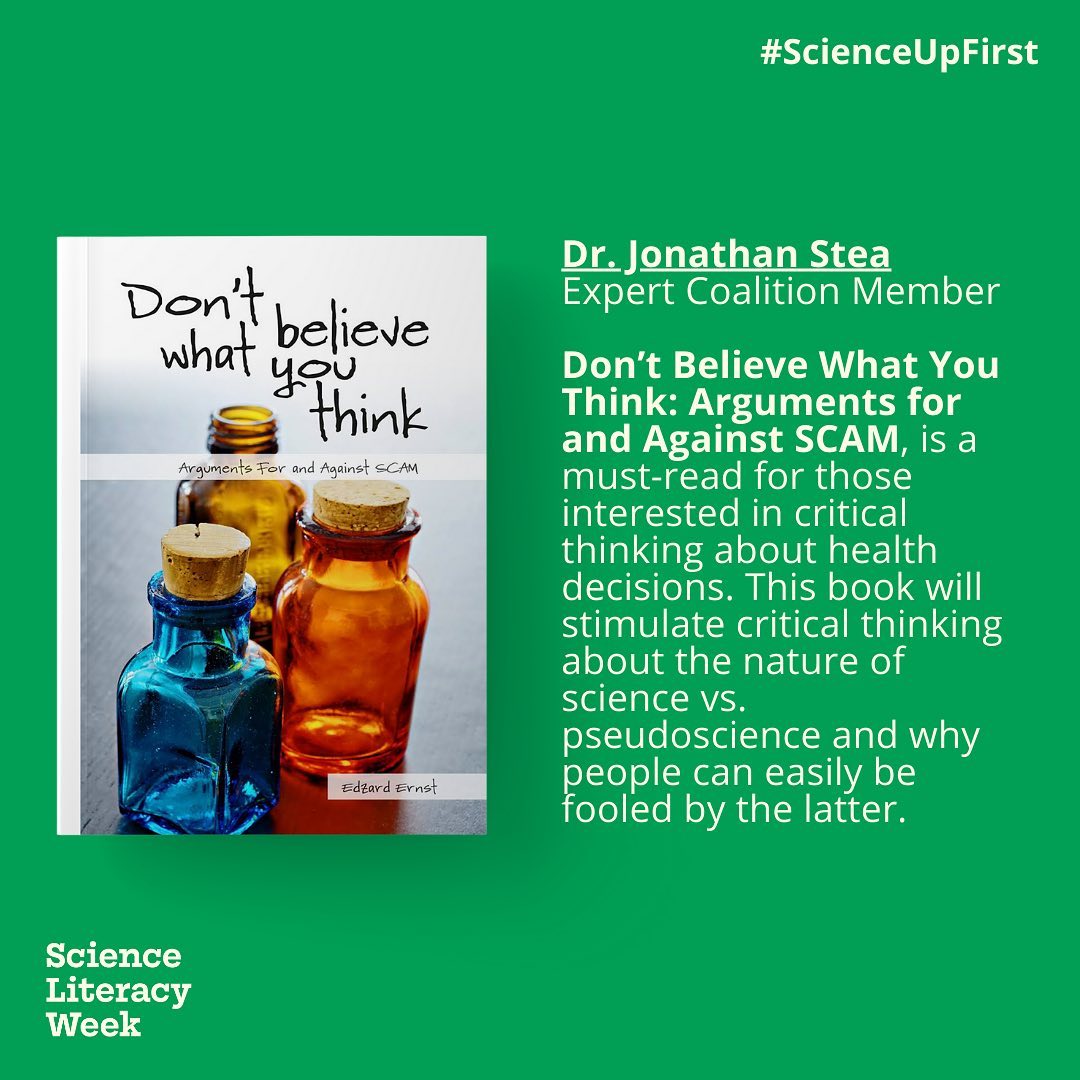
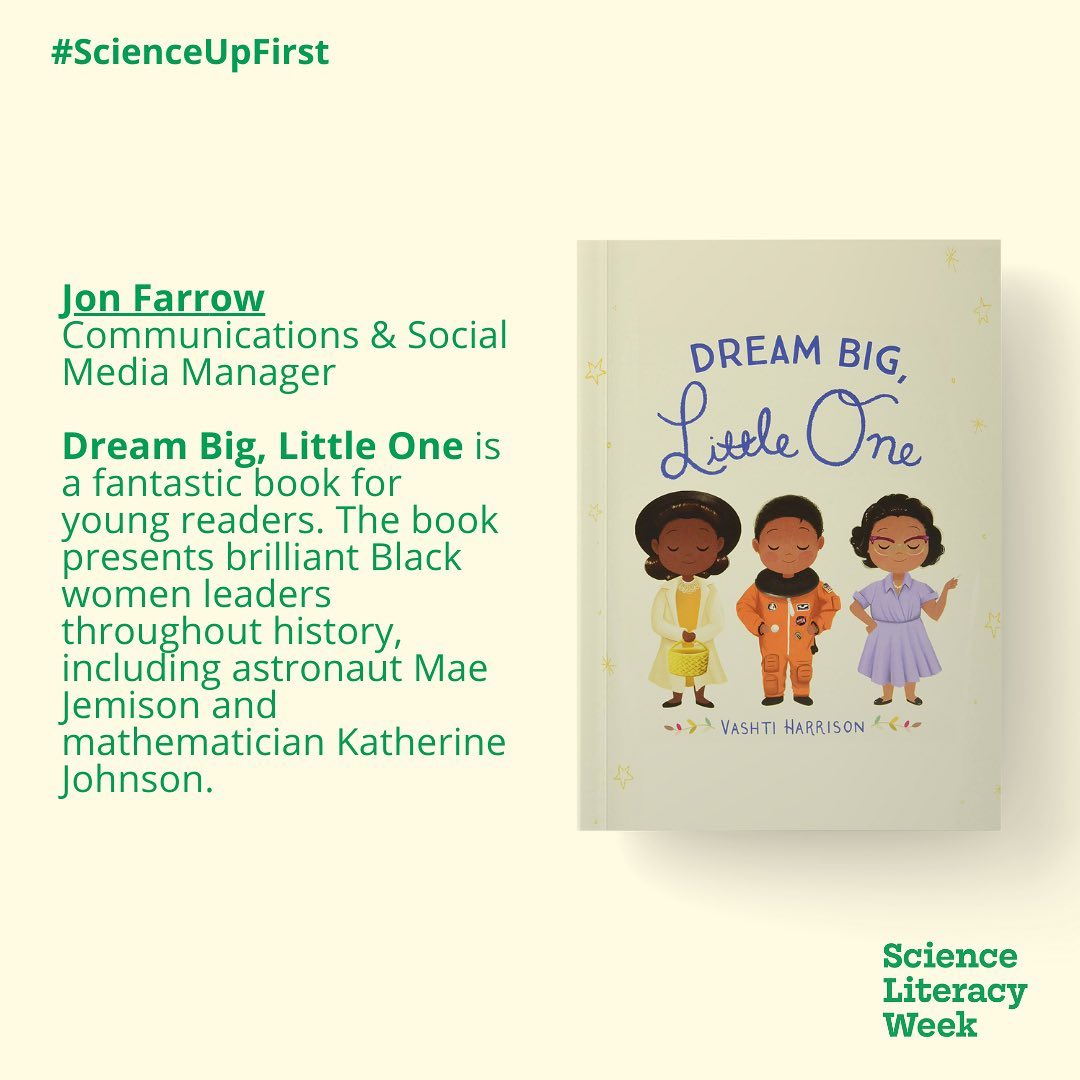
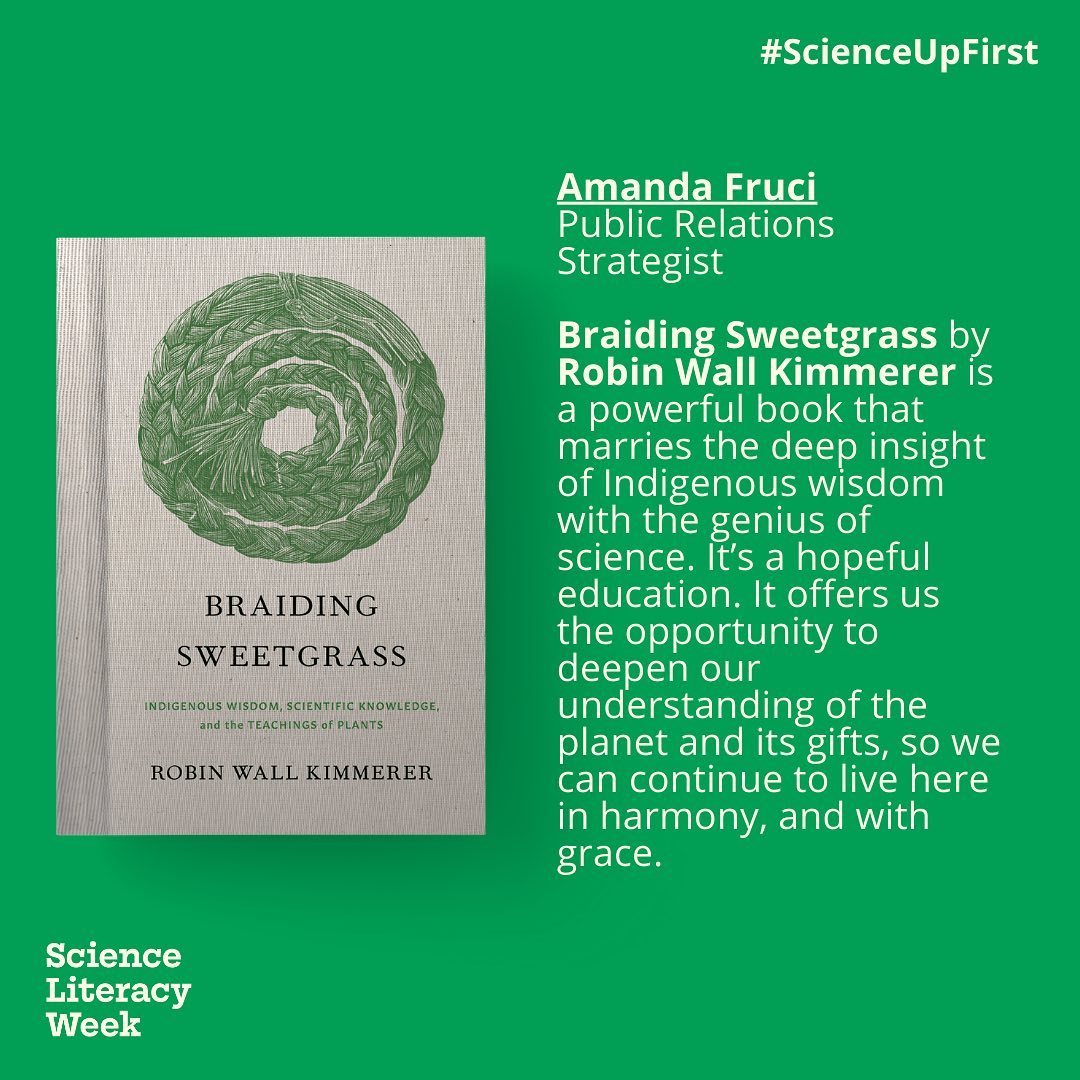
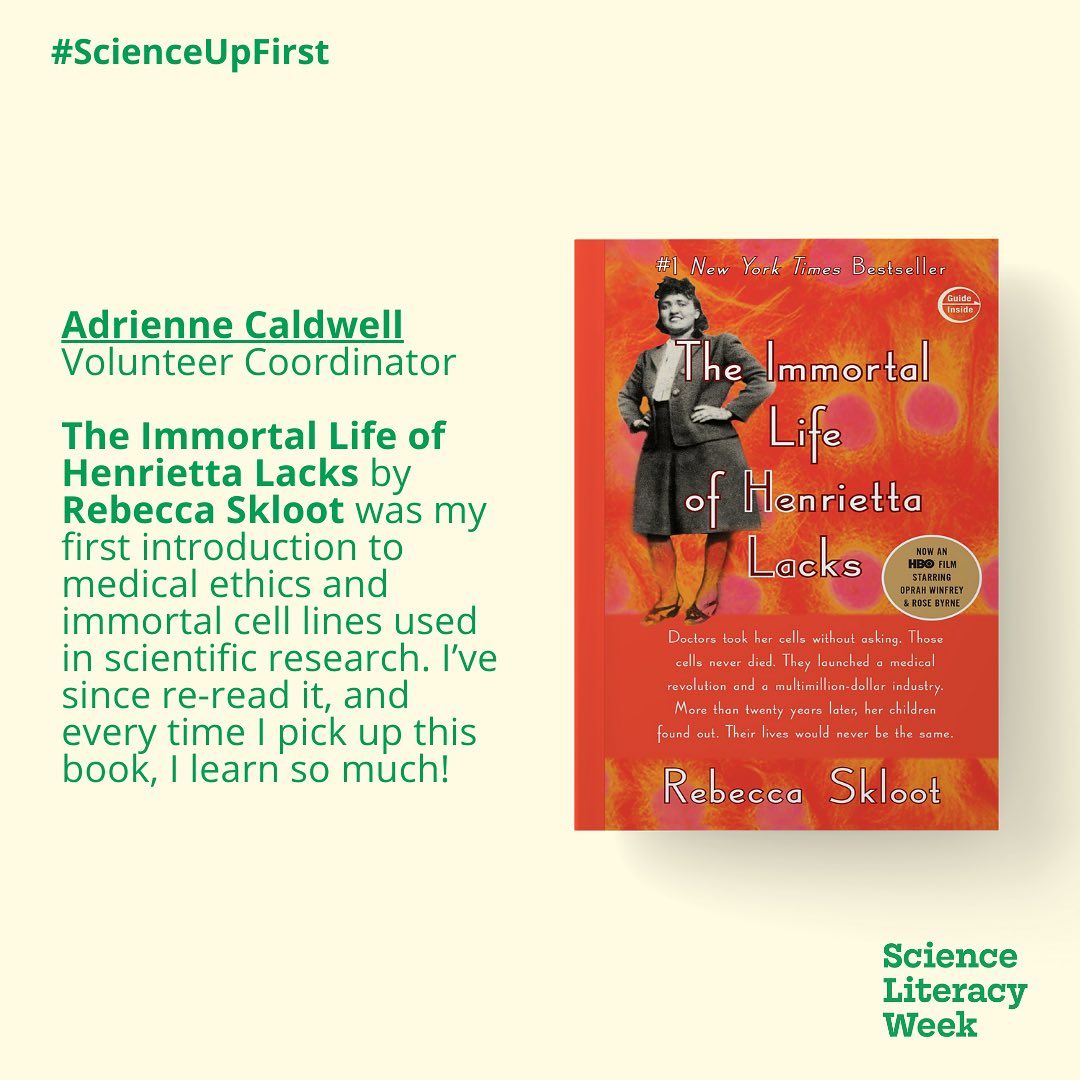
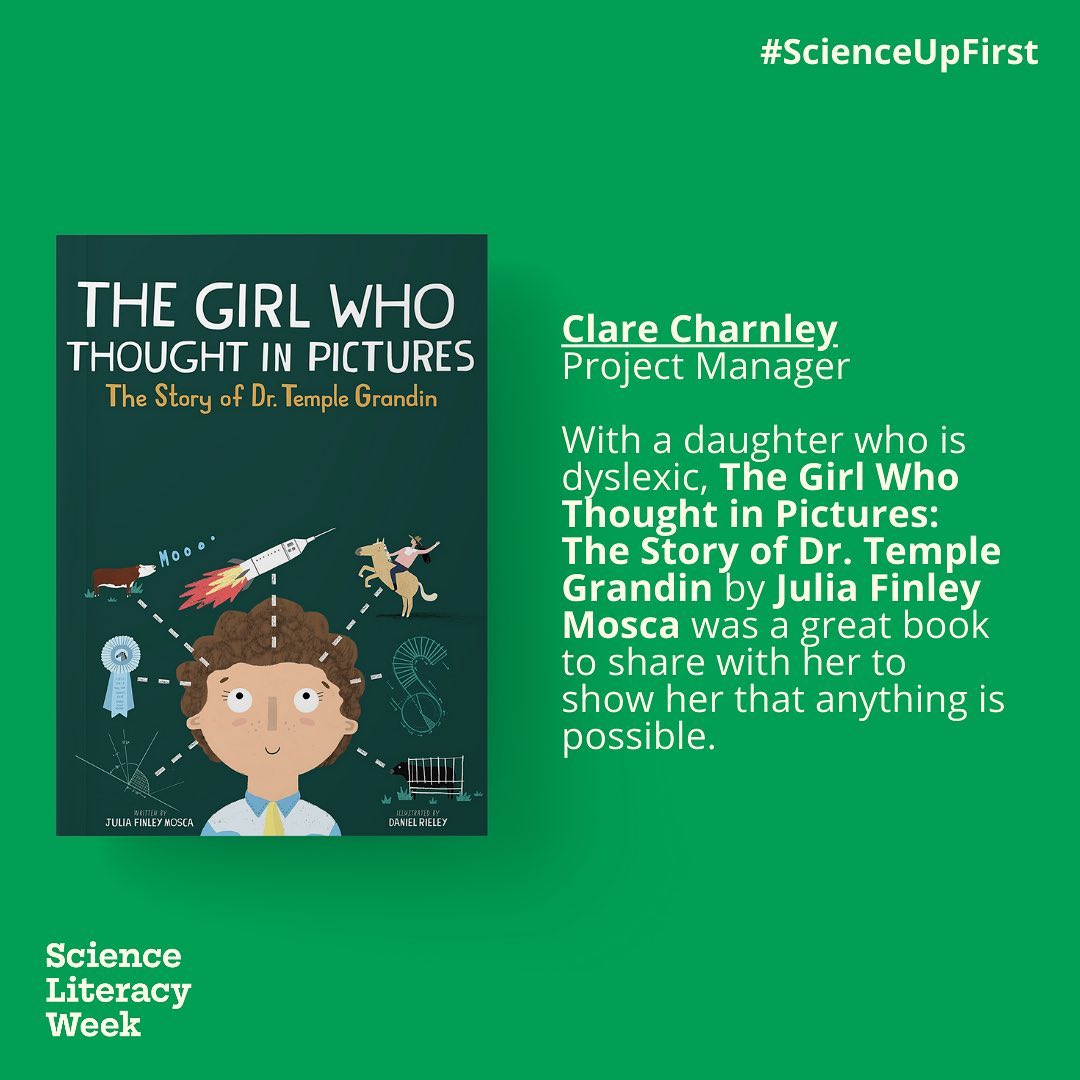
Whatcha reading?
In honour of #SciLit week, our team is sharing their book (non-fiction & fiction) recommendations.
Share our original Tweet!
Looking for a good book?
— ScienceUpFirst | LaScienceD'abord (@ScienceUpFirst) September 23, 2021
Our team has put together a list of some of our favourites in honour of #SciLit week.
Let us know your recommendations!#ScienceUpFirst
[1/9] pic.twitter.com/0me8ZX4d9mView our original Instagram Post!
-
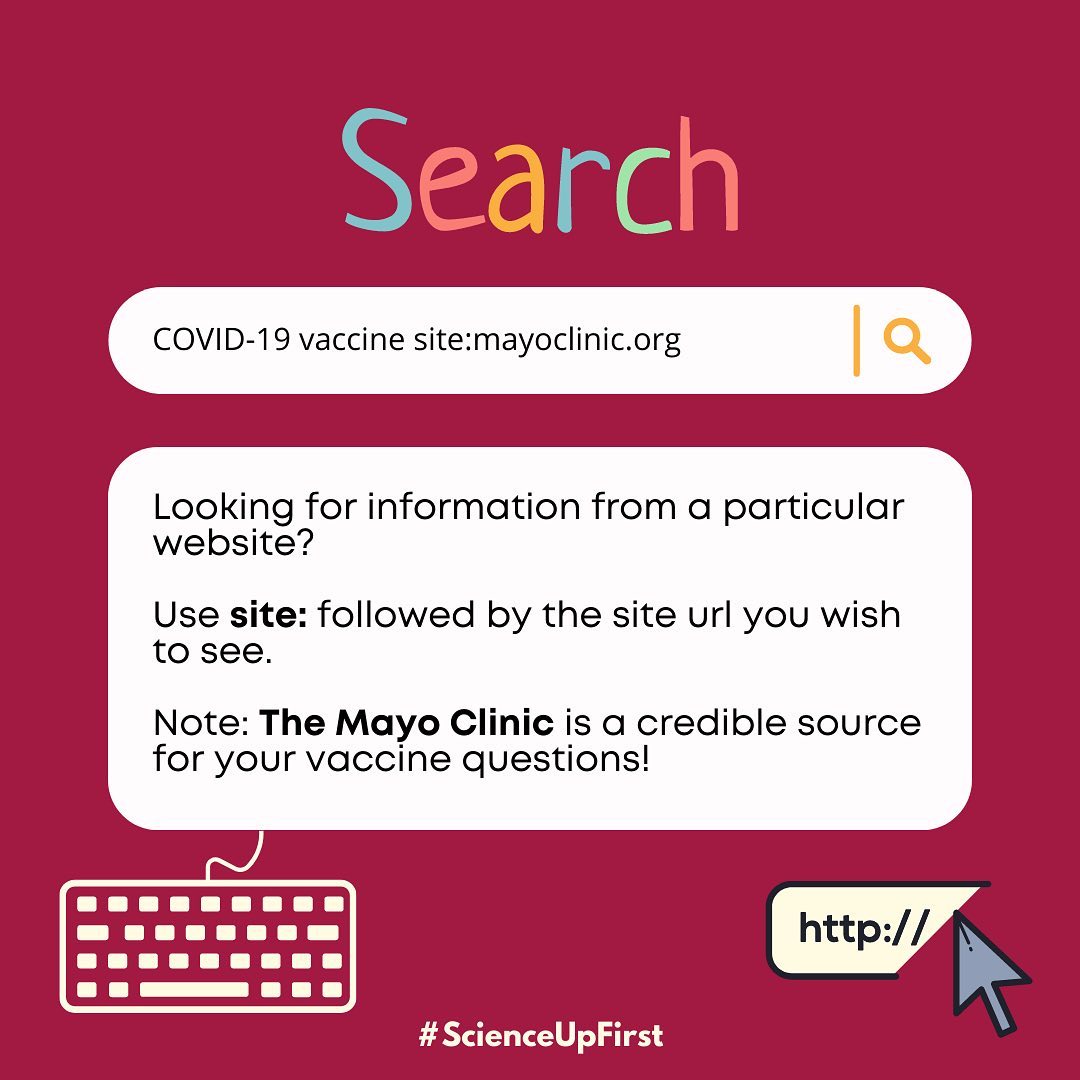
8 tips on how to Google like a pro!
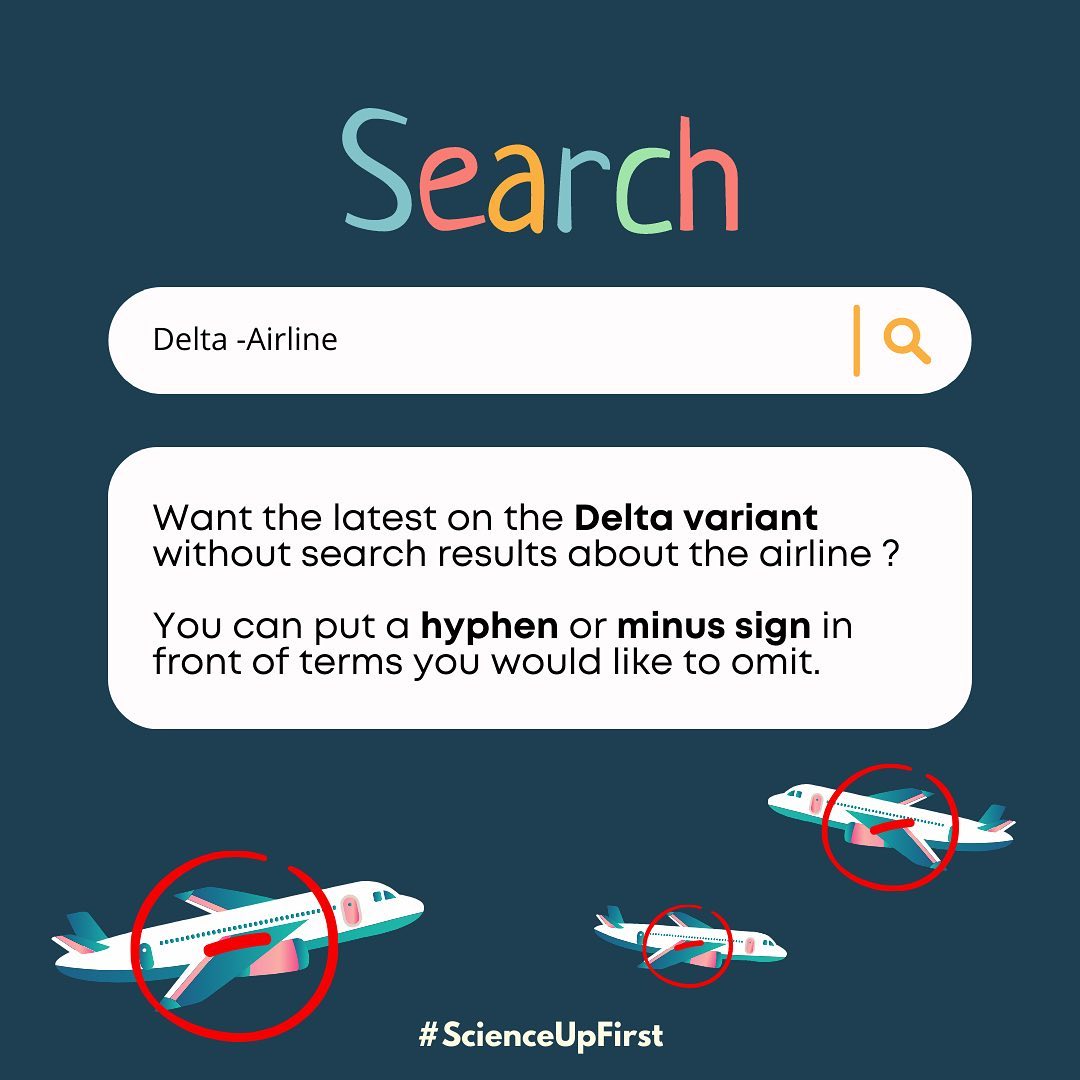
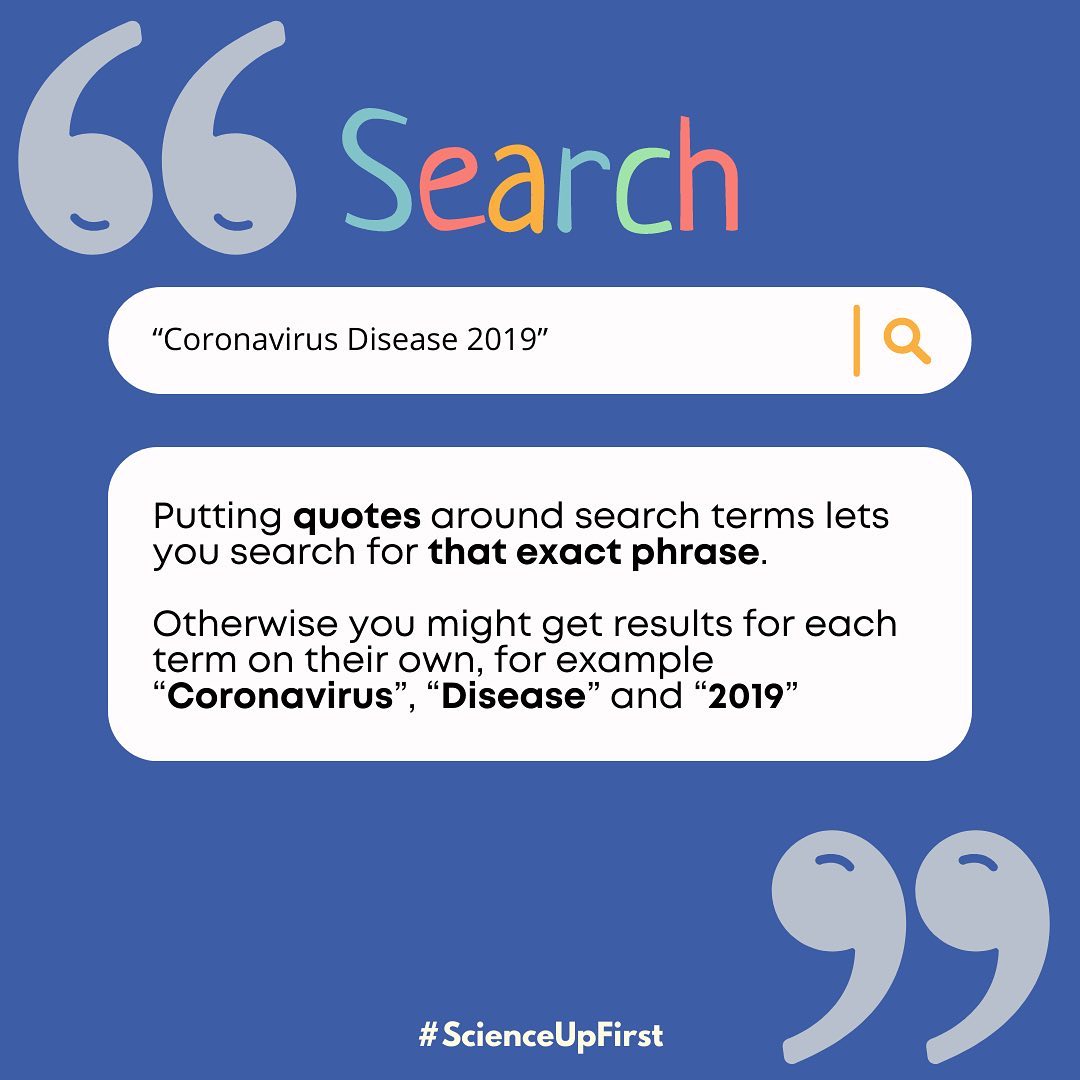
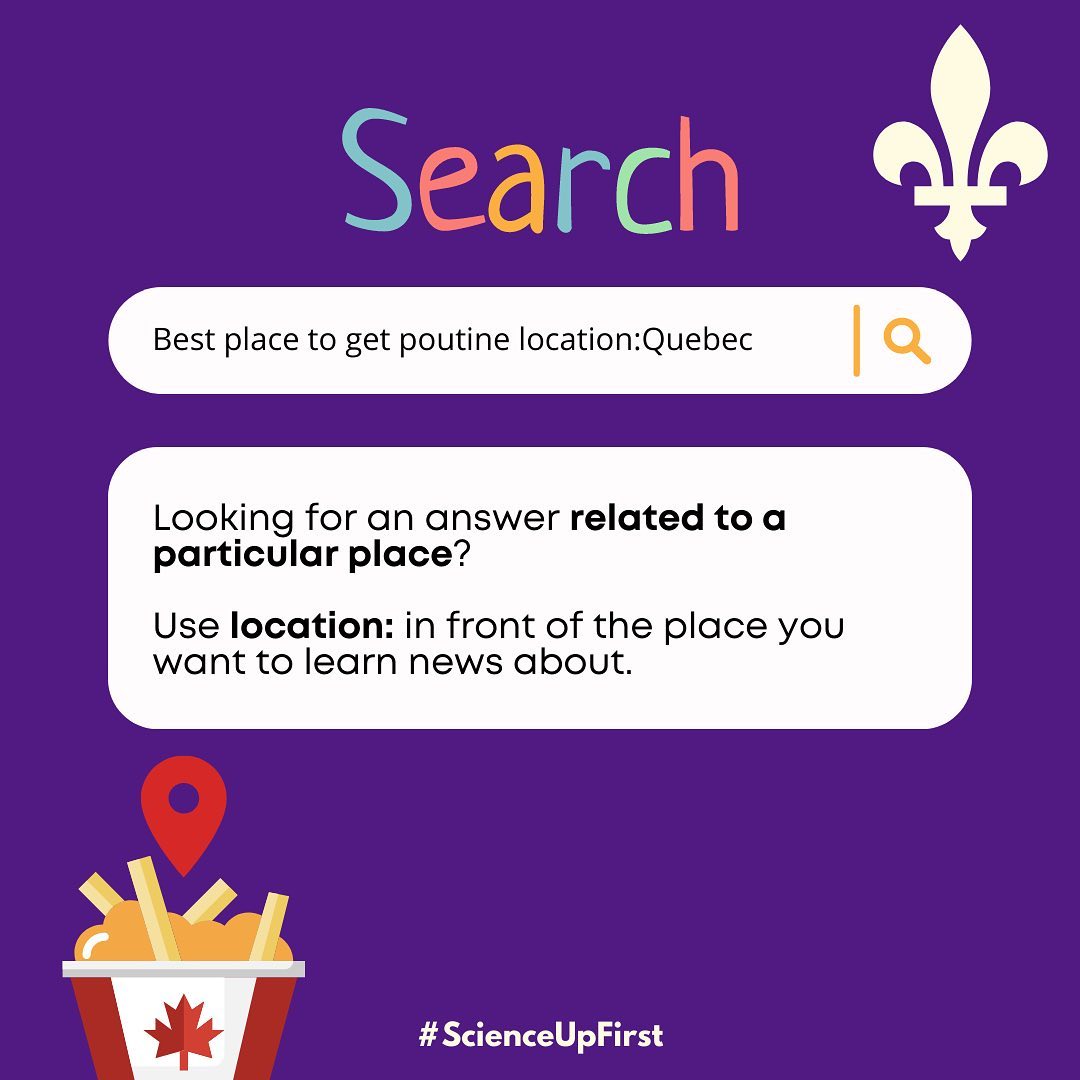
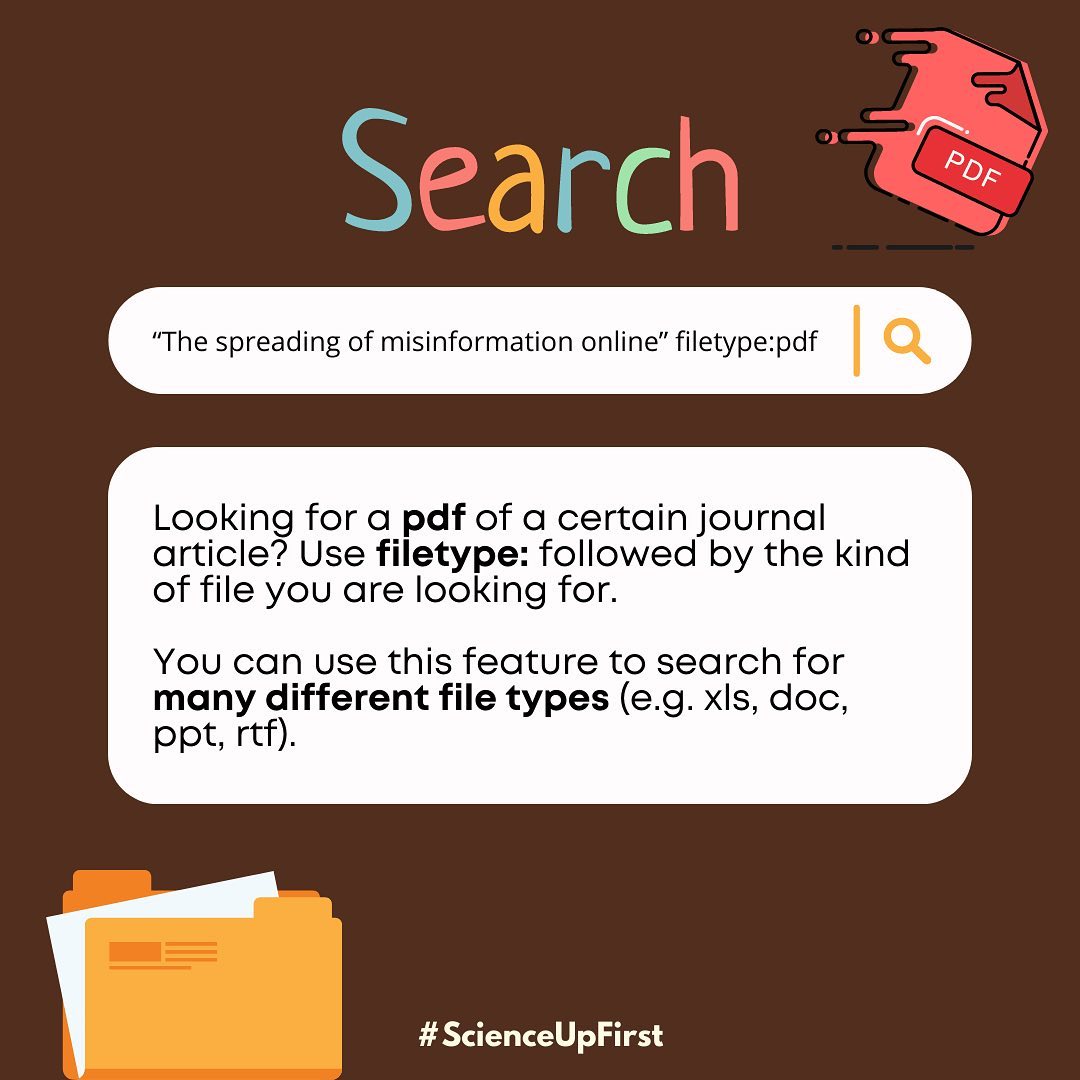
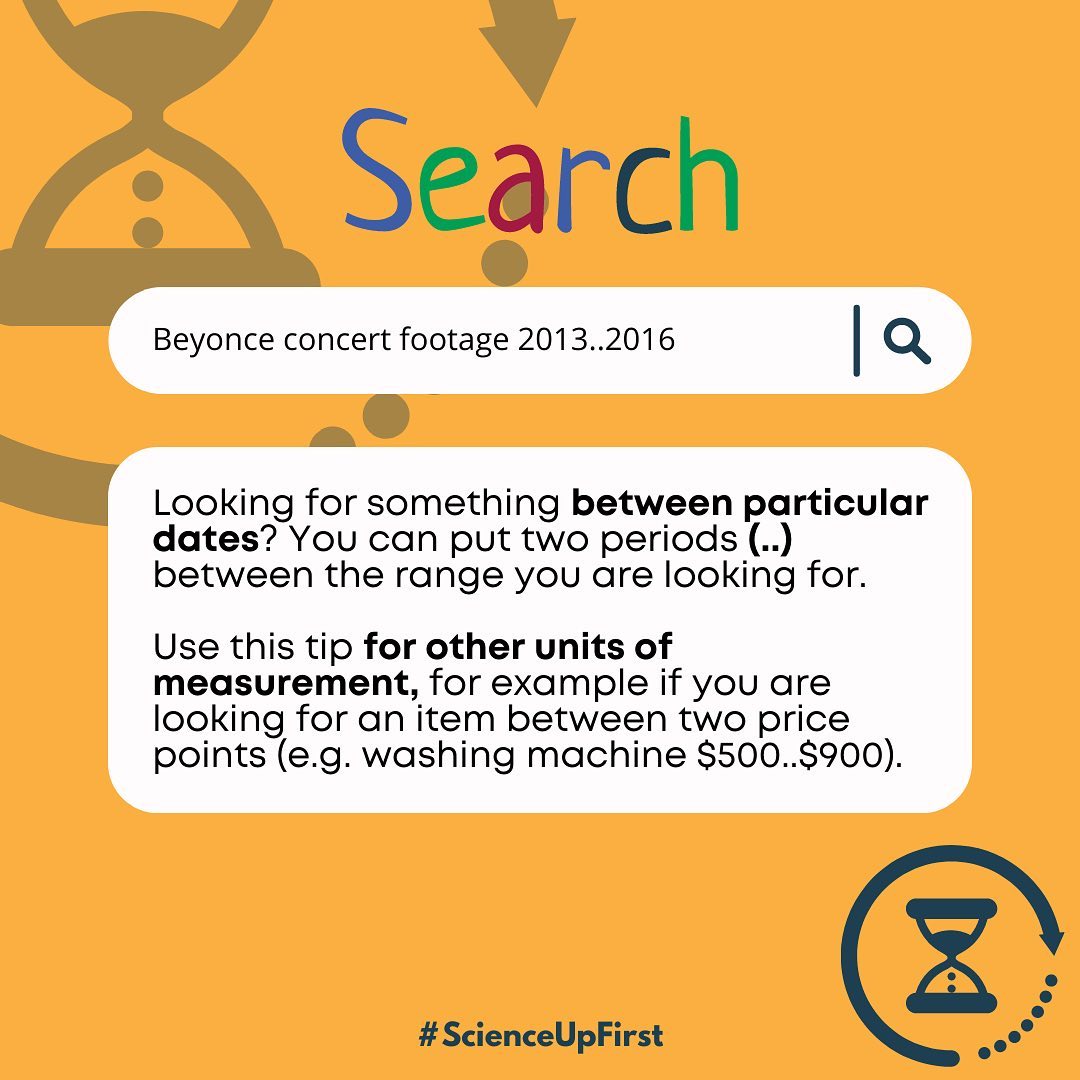
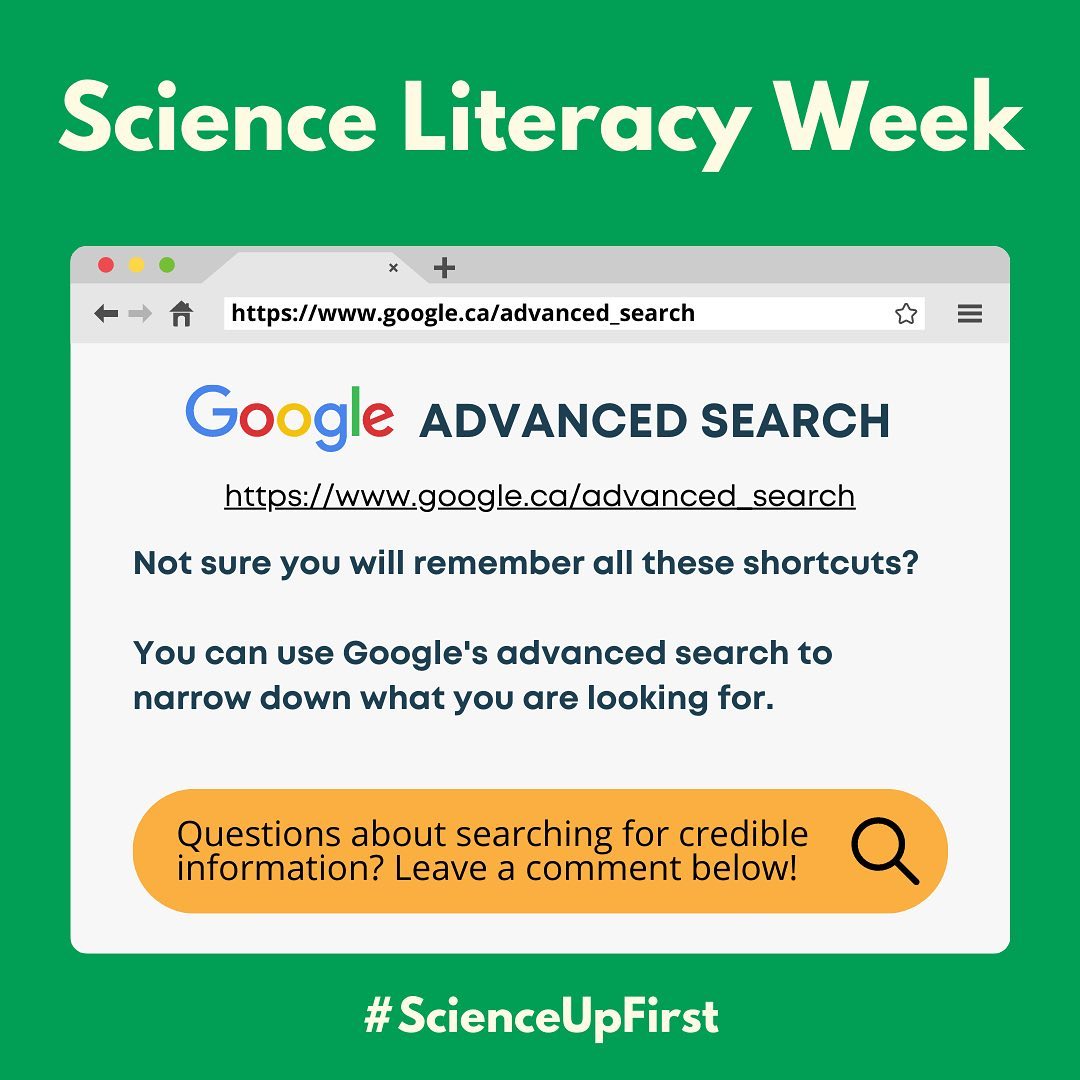
Want to level up your Googling?
Google is an amazingly powerful tool if used correctly. Check out these helpful shortcuts and get the information you are looking for!
This post was inspired by a twitter thread by Chris Hladczuk: https://tinyurl.com/SUFgoogling
Check it out!
Share our original Tweet!
Want to level up your Googling?
— ScienceUpFirst | LaScienceD'abord (@ScienceUpFirst) September 21, 2021
Check out these helpful shortcuts for getting the information you are looking for!
This thread was inspired by @chrishlad:https://t.co/MdF9px5eJd#ScienceUpFirst #SciLit
[1/8] pic.twitter.com/3jjYAdtz2uView our original Instagram Post!
-
What are you taking?
Raise your hand if the past year and half has been tough!
Though it’s been a struggle there are lessons learned that we want to bring with us. We want to know…
What are you taking from the last year and a half? What are you leaving behind?
Follow along as we share how we will #TakeScience as we safely return to the activities we love.
-
People value efforts to counter misinformation
A study of how the public perceives online corrections of misinformation found that most people broadly endorse and appreciate the practice. Indeed, the majority report not only liking corrections on social media, but see it “as a public responsibility.” This is good news for those countering misinformation – your work is appreciated! (July 26, 2021)
-
Nudging people to pause and think about accuracy can help
Numerous studies suggest that getting people to pause before they share online material might slow the spread of misinformation. Most people want to be accurate. But, as a recent study found, “people often share misinformation because their attention is focused on factors other than accuracy.” Finding ways to shift attention to accuracy can increase the “quality of news that people subsequently share.” Indeed, there seems to be a range of accuracy prompts that may be effective in this context. (July 26, 2021)
-
Yes, Debunking Works!
The body of evidence highlighting the value of debunking continues to grow. One recent study found that debunking misinformation online “improved subsequent truth discernment more than providing the same information during (labeling) or before (prebunking) exposure.” Another study also concluded that countering misinformation is effective, particularly if content that is easily sharable on social media and promotes credible facts are utilized. (July 26, 2021)
-
Think fast!
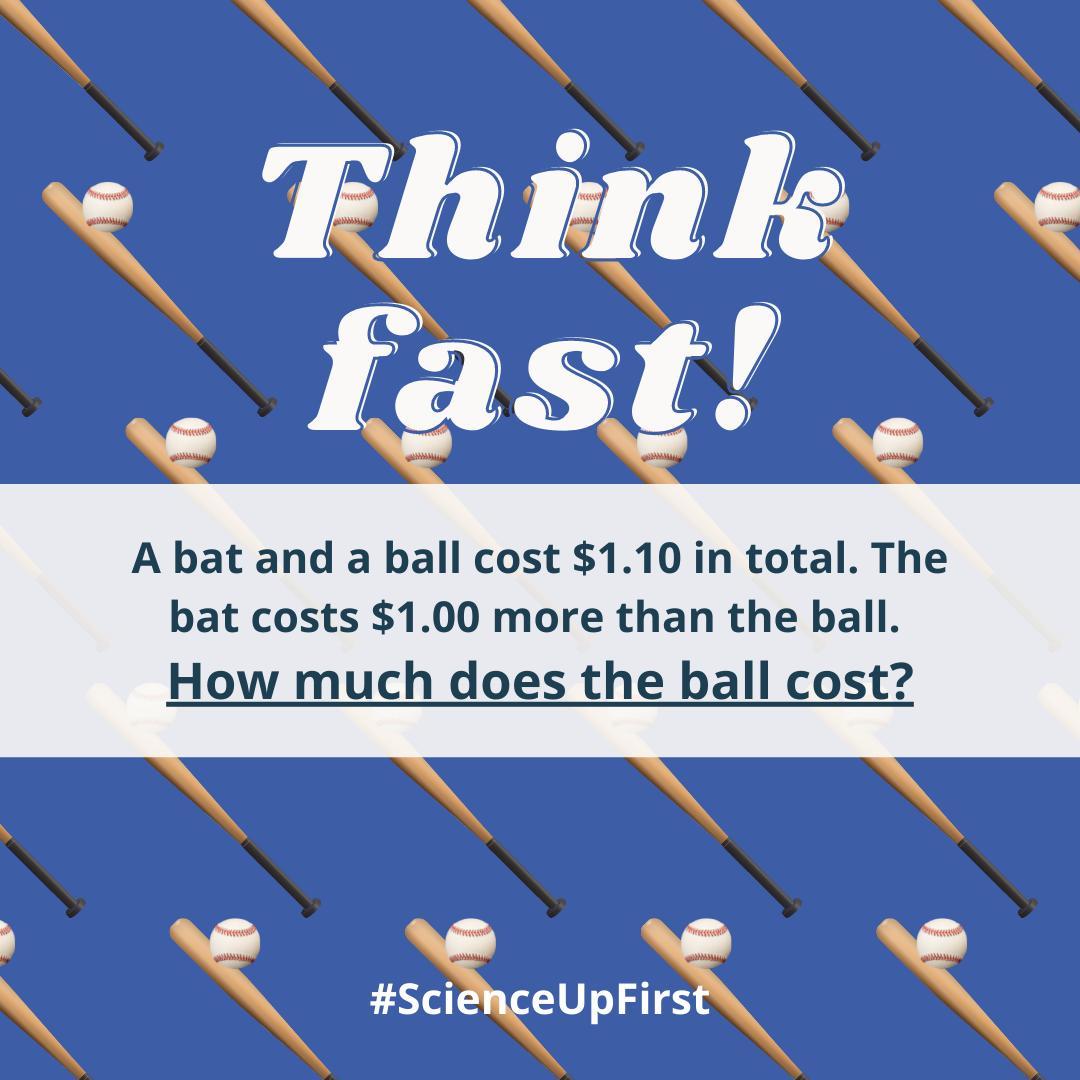
Have you heard this one before? ⚾
You might have guessed the ball costs ten cents? If you did, you are not alone (1)!
It may seem like the obvious answer, but it is incorrect. If the ball costs 10 cents then the bat would be $1.10 (a dollar more than the ball) for a total of $1.20.
The correct answer is that the ball costs 5 cents, the bat is $1.05, for a total of $1.10.
Why is this problem challenging?
We can divide our thought process into two: fast and slow thinking (2).
- Type 1: fast, automatic, and unconscious
- Type 2: slow, deliberate, and conscious
When we see the bat and ball problem our fast thinking immediately kicks in. But if we pause and go slow we can see how our initial assumptions don’t add up.
Consider this example the next time you come across a new piece of information online. Before you share, pause and think.
Ask yourself:
- WHO made it?
- WHAT is the source?
- WHERE did it come from?
- WHY are you sharing it?
- WHEN was it published?
We can all benefit from slooooowing down. Tag someone to remind them to pause today.
-
Everyone is susceptible to misinformation
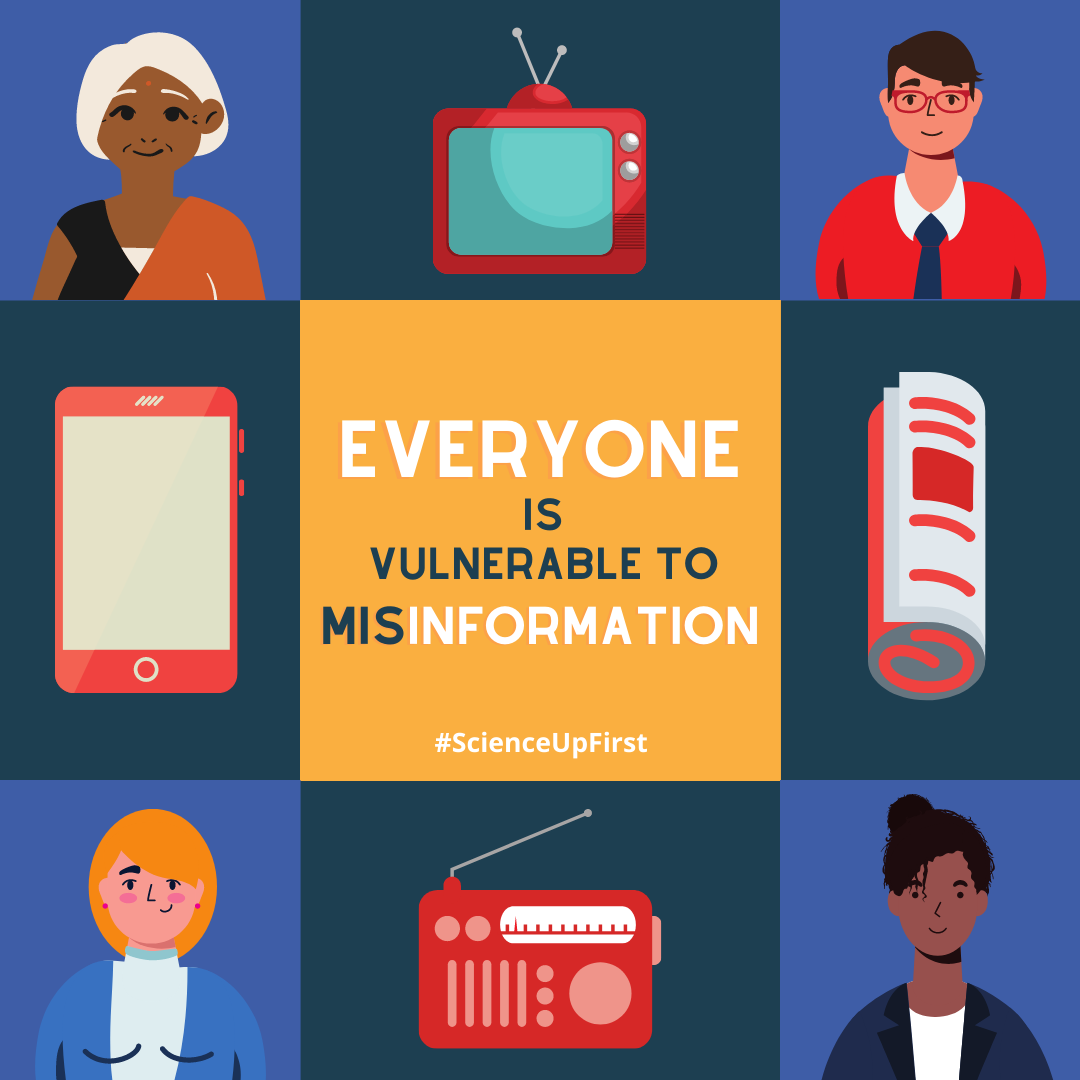
When you picture someone who falls for fake news, who do you see?
It turns out that people of ALL ages around the world are vulnerable to misinformation. While adults 65+ are more likely to share fake news stories on Facebook (1), conspiracy theories are being spread by teens on TikTok (2). A recent survey of over 20,000 Americans found that the younger you are, the more likely you are to believe in false claims about COVID-19 (3).
When it comes to the pandemic, misinformation can be a matter of life and death (4).
The good news is that you can protect yourself against misinformation.
Don’t just debunk, PREbunk (5)! Think about prebunking as vaccinating yourself against misinformation. By learning to identify different types of misinformation and how to address it, you will be more prepared next time you come across an inaccurate claim. Want to practice? Visit mediasmarts.ca/break-fake (6). They have quick quizzes that help you learn how to spot suspicious posts. Keep a lookout for these tactics, the next time you read a post online.
Sources- Less than you think: Prevalence and predictors of fake news dissemination on Facebook
- Why Teens are Falling for Tik Tok Conspiracy Theories
- The State Of The Nation: A 50-State COVID-19 Survey Report #14: Misinformation And Vaccine Acceptance
- Fact-checking as risk communication: the multi-layered risk of misinformation in times of COVID-19
- Inoculating Against Fake News About COVID-19
-
Pause & think before you share!
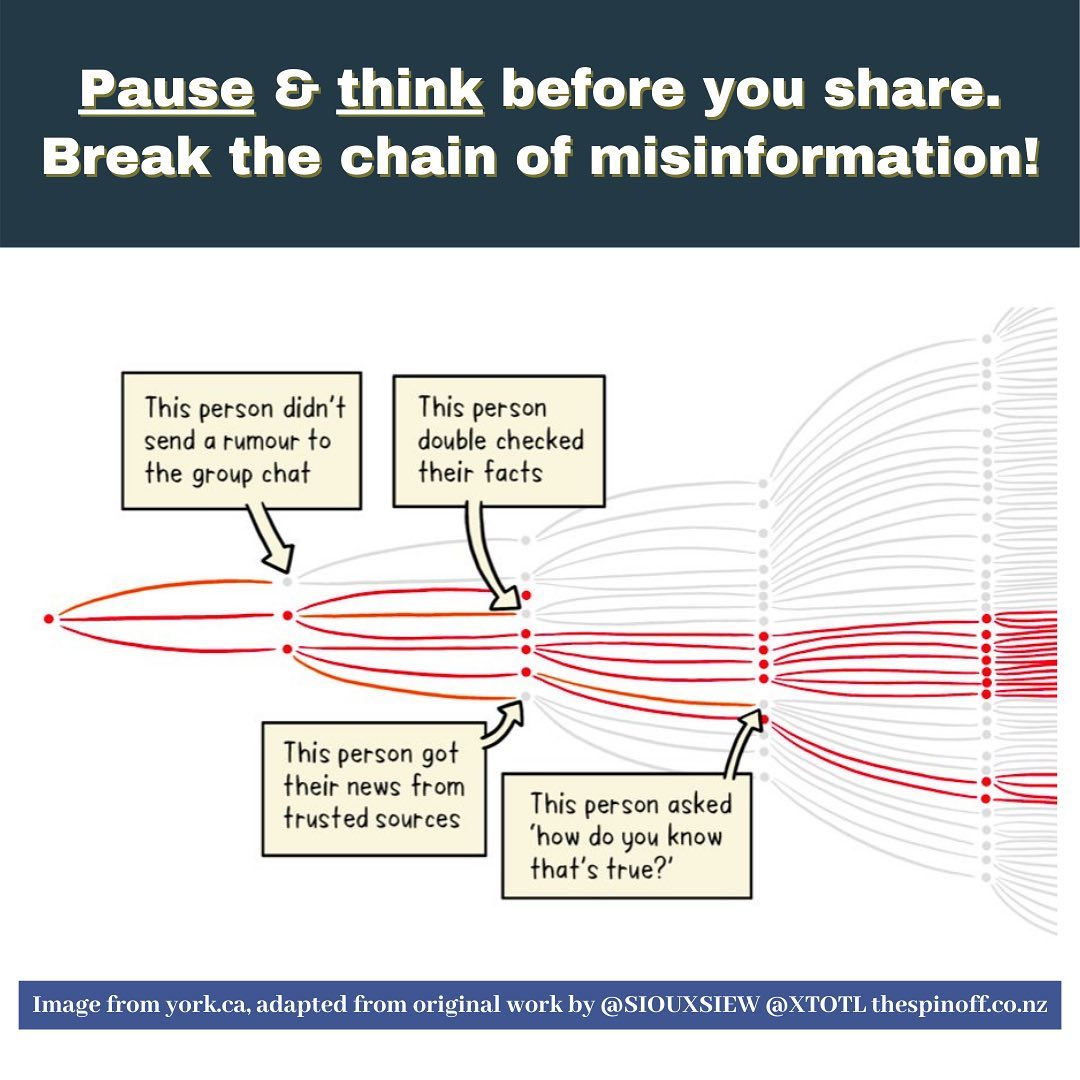
4 quick ways to put #ScienceUpFirst and break the chains of misinformation!
- Pause and think before you share.
- If you see a misleading post on social media, report it as false information.
- It’s important to de-bunk, but try not to re-share the original post and give it more views when doing so (screenshots are great!).
- Make sure you share good science to help it go viral!
-
5 tips for debunking misinformation
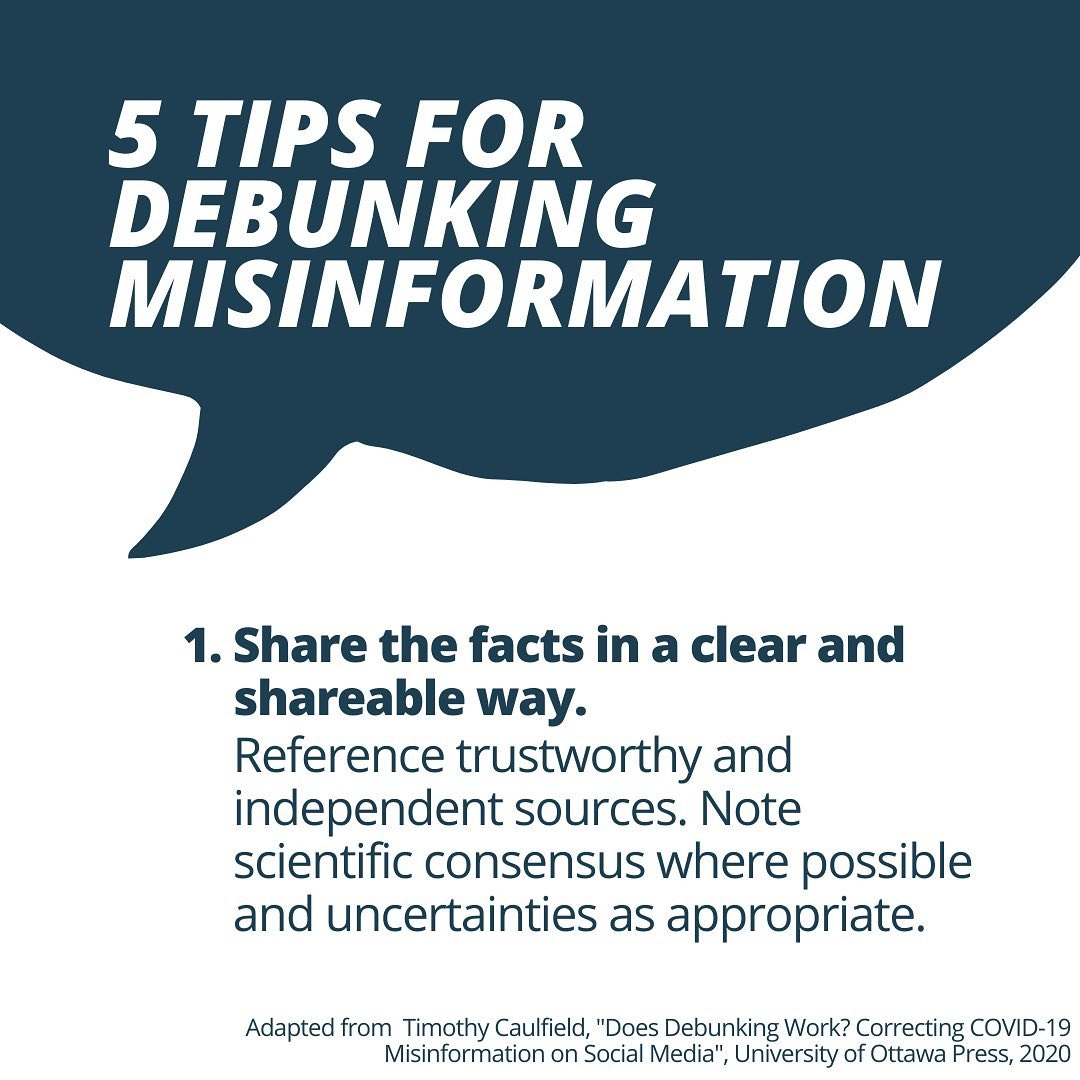
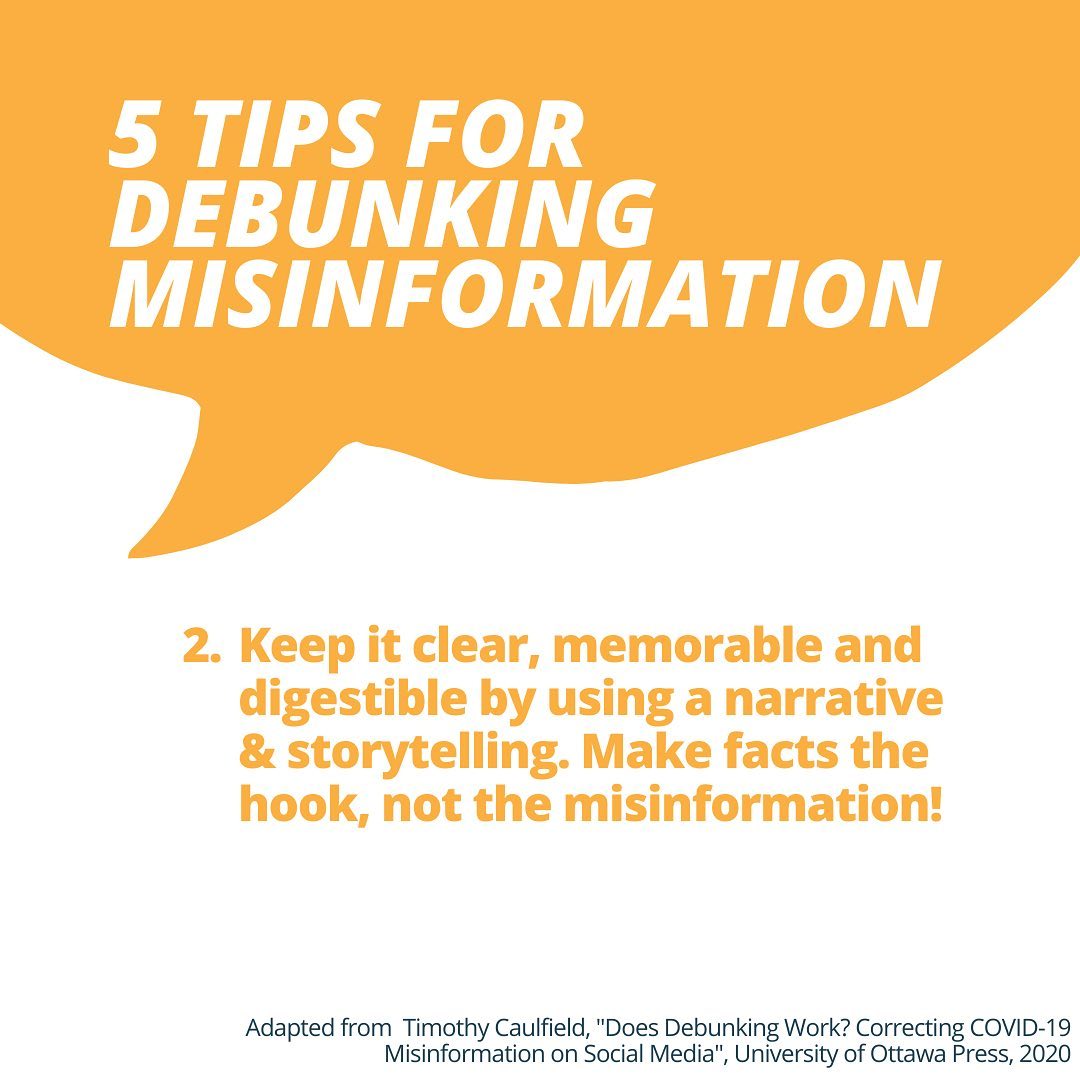
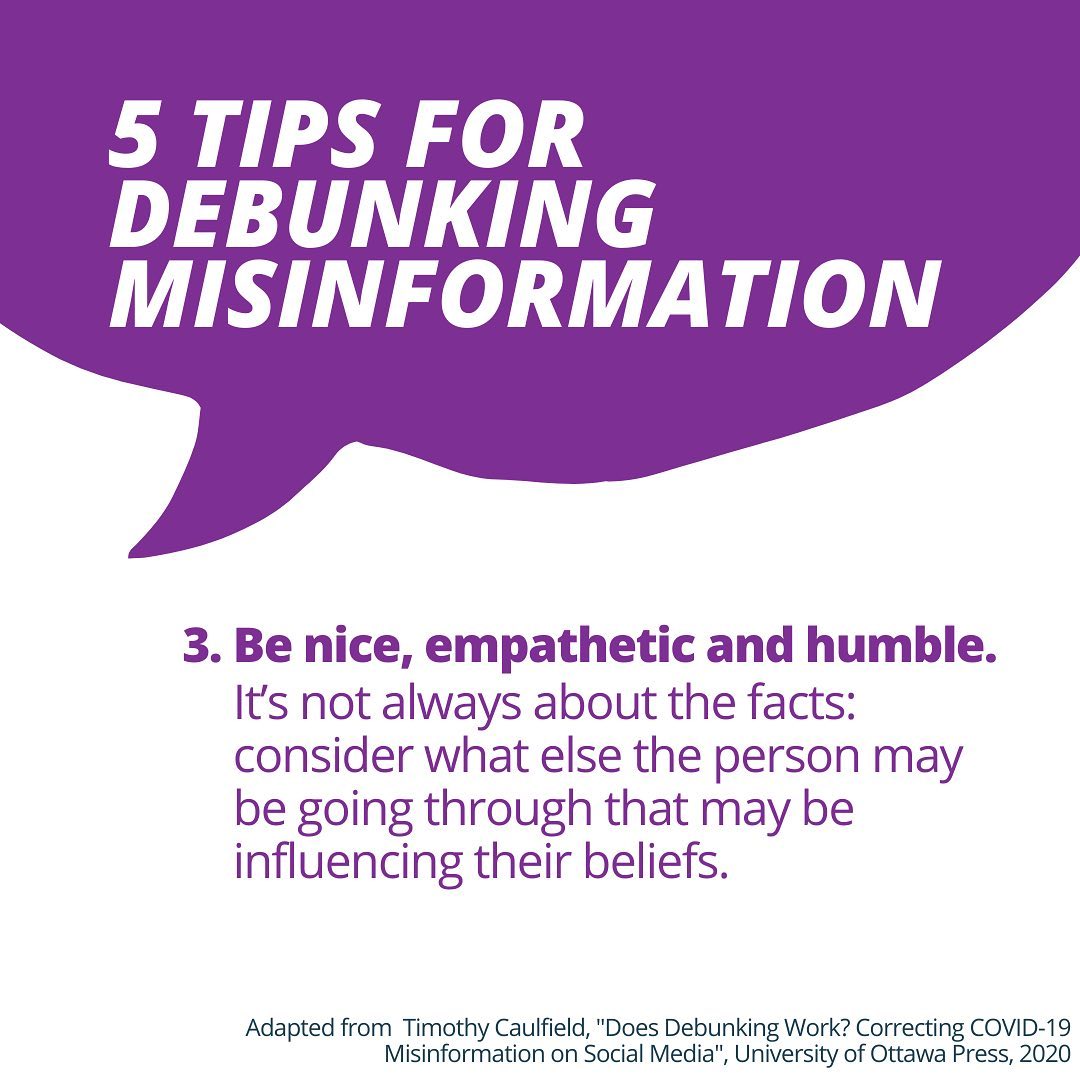
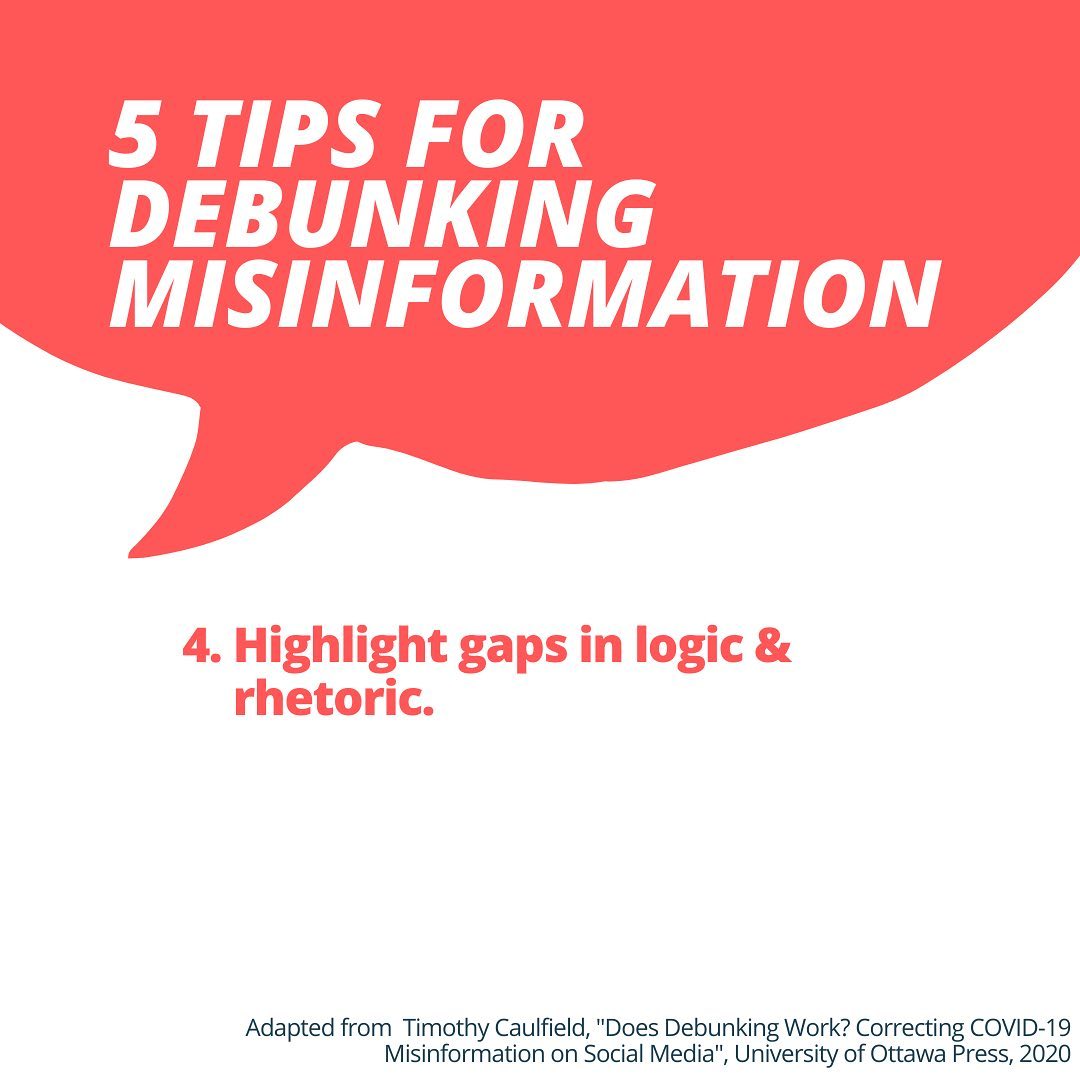
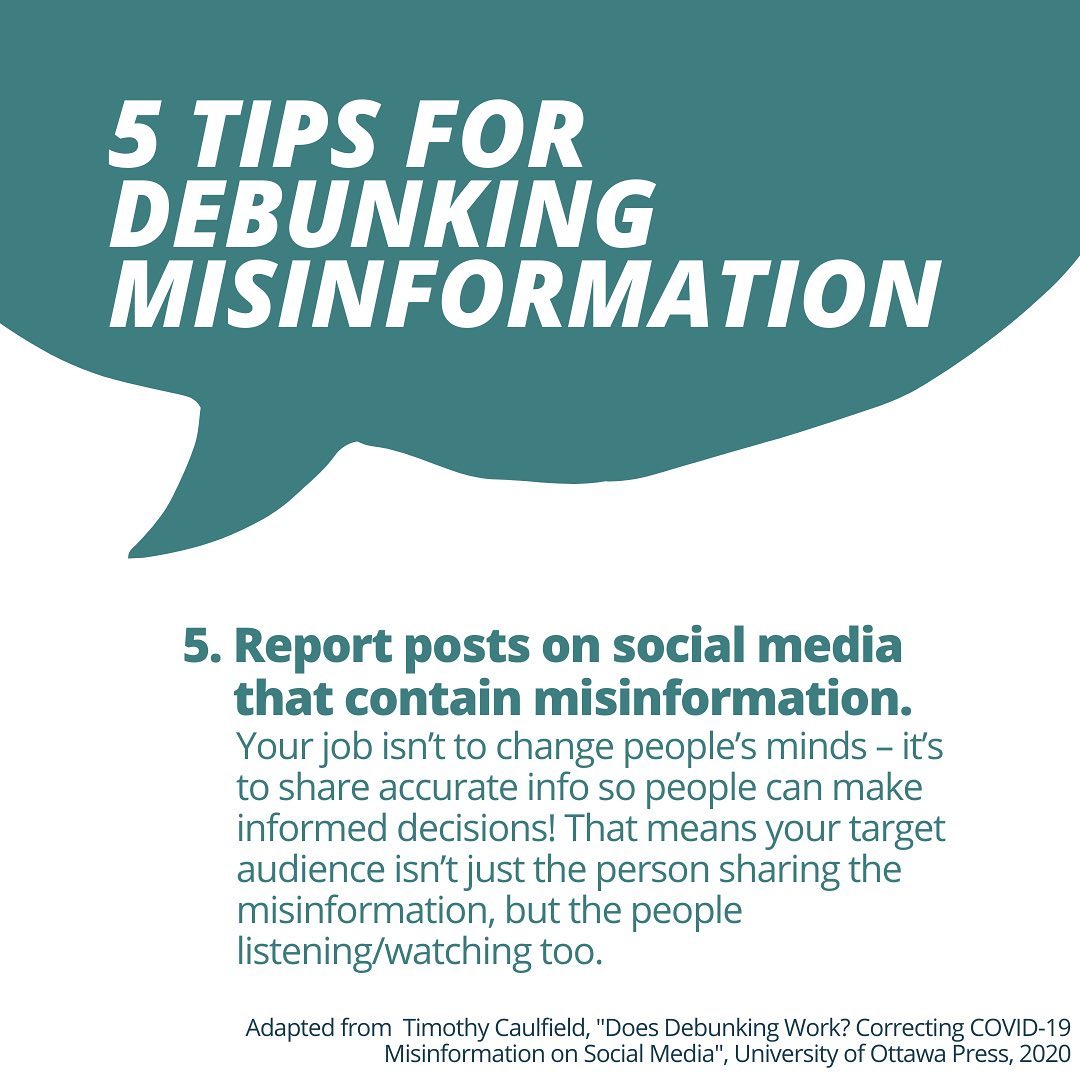
If you see someone sharing misinformation, here are some handy tips to debunk it!