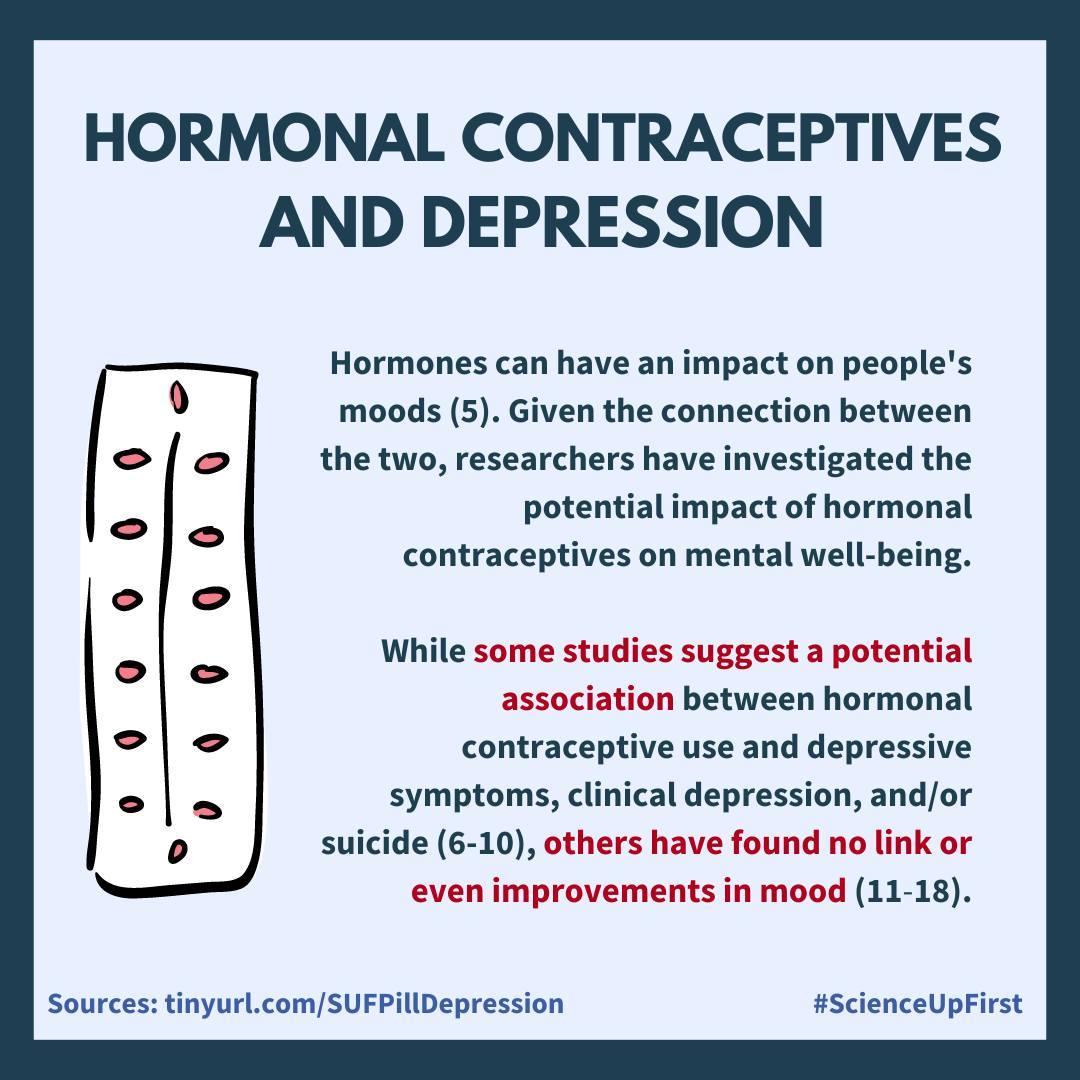
Claims that hormonal contraceptives, such as The Pill, cause depression are rampant on social media, but what are the facts?
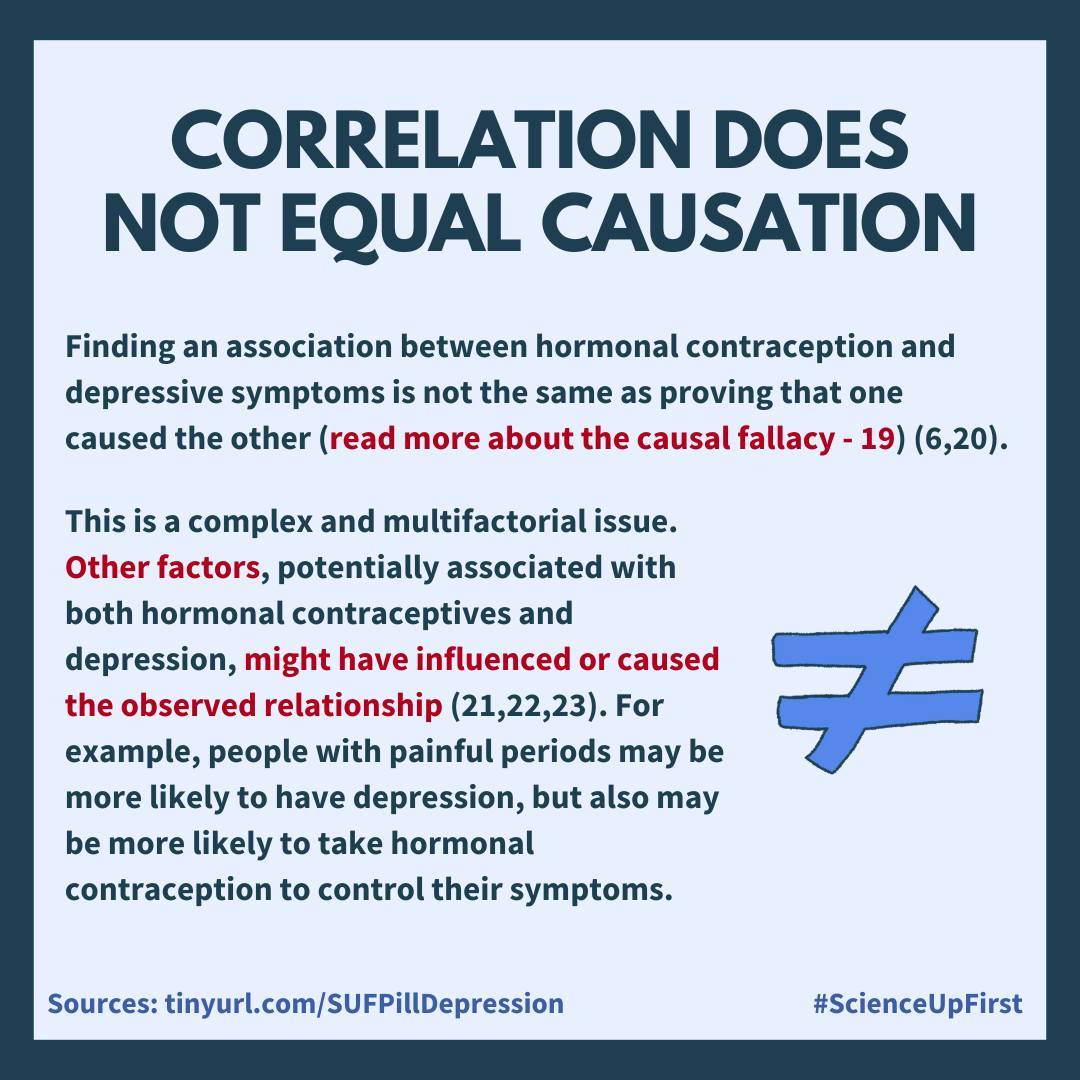
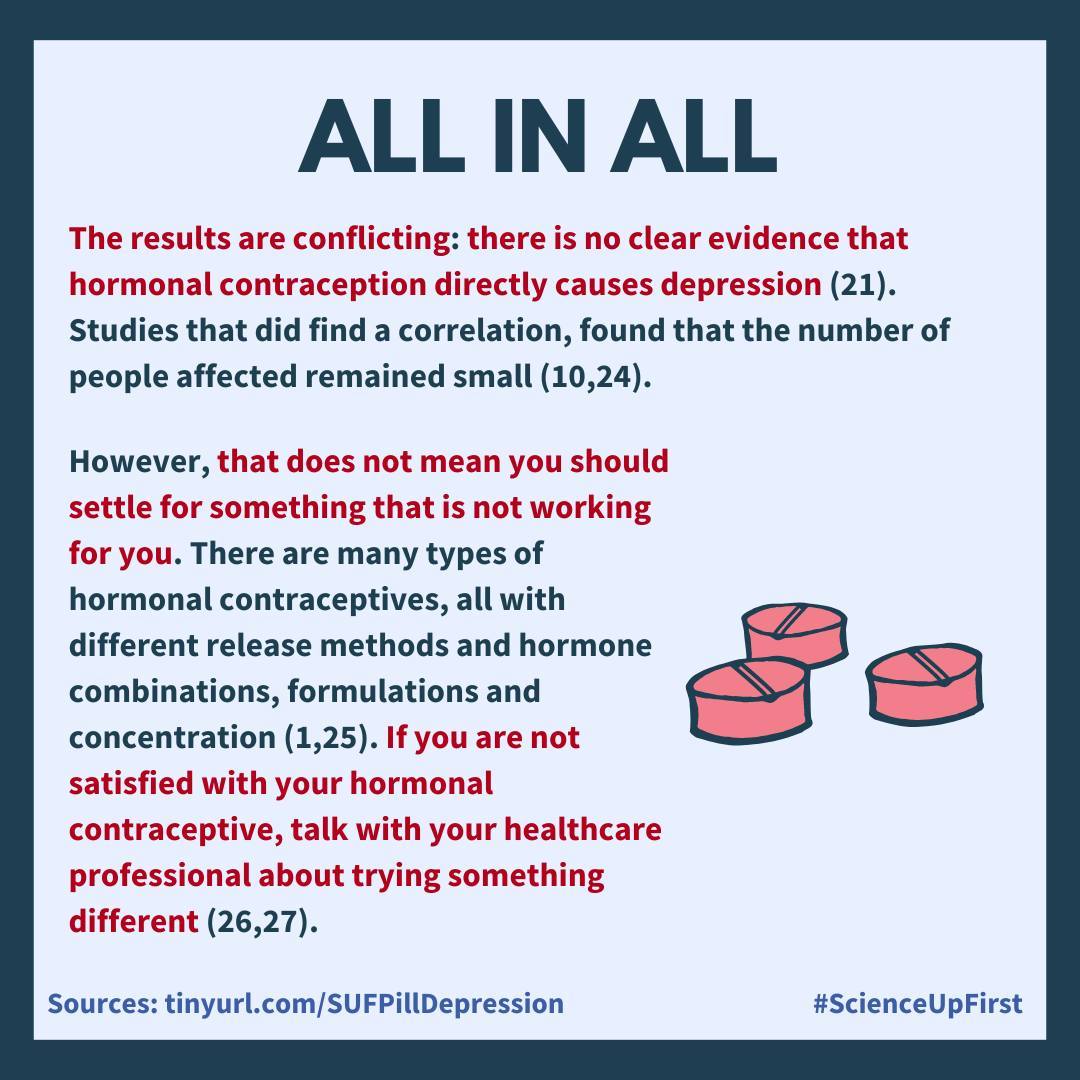
There is currently no clear evidence that hormonal contraception directly causes depression (21). It is possible that different methods of hormone administration or formulation have different types of effects, but the evidence remains unclear. If the method you are using currently is not working for you, speak to your provider (1,25,26).
While the evidence remains unclear, people with a history of depression should alert their provider to this fact when choosing contraceptive options so they can be monitored for any potential recurrence (28).
A big thank you to @pwhrcanada for assisting on this post!
So, how many questions on the menstrual cycle and fertility did you get right?
12 to 16 days before the start of menstruation, an egg, from either of the two ovaries, will mature and be released (17,18,19,20). While ovulation only happens once every menstrual cycle, some people might release more than one egg at once. This is known as hyperovulation, which can lead to fraternal twins if fertilization of both eggs occurs (21,22).
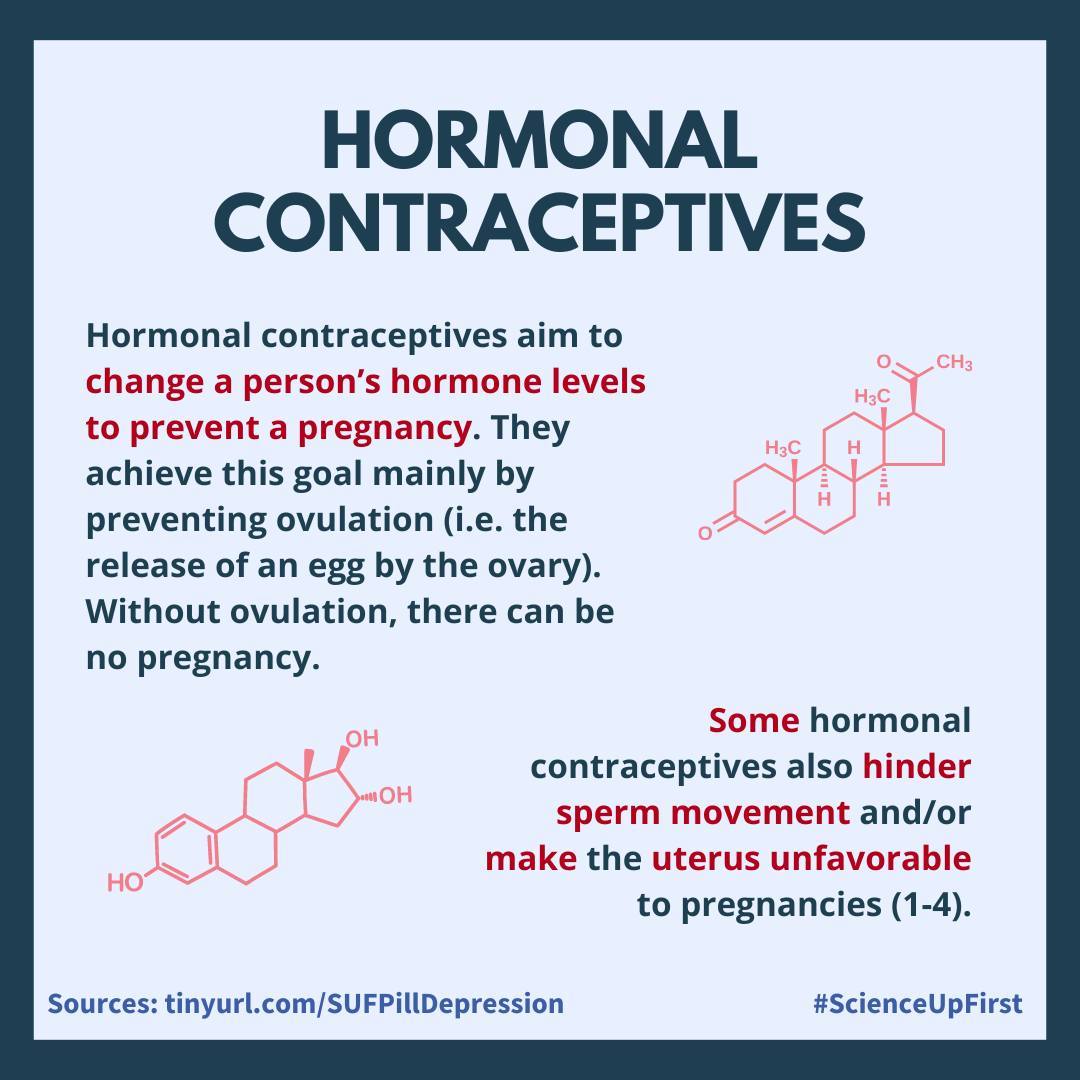
Hormonal contraceptives prevent the release of an egg from the ovaries. Without ovulation, there can be no pregnancy (23).
If a mature egg is released from the ovary, it will travel down the fallopian tube where it might encounter sperm cells and get fertilized. Once out of the ovary, the egg only lives 12 to 24 hours (17,18). However, sperm cells can live up to 5 days in the body. Hence the fertility window (i.e. when a pregnancy is possible) begins 5 days before and during ovulation (i.e. 6-day window) (17,24,25). It is not possible to become pregnant outside of that 6-day fertility window.
The upper part of the uterus has two tube-like structures, called the fallopian tubes, protruding from either side of the uterus (26).
When an egg is ready to be released it signals the fallopian tube to get closer. The fallopian tube closest to the ovulating ovary will use its hair-like cell to create a current that will catch the egg and move it toward the uterus (27,28). Strangely enough, the fallopian tubes are not directly attached to the ovaries (27). This means that if one fallopian tube is not functioning properly or needs to be removed, the remaining healthy tube can move between ovaries and catch the released eggs. Thus, the removal of one fallopian tube (i.e. salpingectomy) does not affect the ovulation frequency or the person’s chances of getting pregnant (29,30,31).
If no egg has been fertilized by a sperm cell, the endometrium, the thick layer of tissue lining the uterus, will slowly detach and make its way down through the cervix and exit the body through the vagina – a.k.a menstruation (1,2,3). This happens each cycle.
Dark period blood is simply older blood that has oxidized due to being exposed to oxygen for longer. It usually happens at the end and/or at the start of a period. The color of your blood alone is usually nothing to worry about. Talk with a healthcare professional if you notice unusual pain or bleeding, or changes in your volume’s flow or cycle length (3,4,5,6).
Just like everyone’s cycle is different, the amount of blood a person loses during their periods also varies. Anything between 20 to 80 mL (4 teaspoons to a third of a cup) is considered normal.
Losing more than 80 milliliters of blood per cycle, bleeding for longer than 7 days, having to change pads/tampons regularly during the night or every 2 hours or less during the day, and/or passing blood clots over 25 mm long or the size of a quarter or more, is considered heavy bleeding (i.e. menorrhagia). People that are experiencing heavy bleeding, symptoms of weakness, fatigue, dizziness, or shortness of breath during their periods should talk with their healthcare professional (7,8,9,10,11,12).
Retrograde menstruation describes the backward flow of menstrual blood through the fallopian tubes into the pelvic cavity, rather than exiting the body through the vagina as usual. While it is fairly common, the exact cause is unclear (13,14).
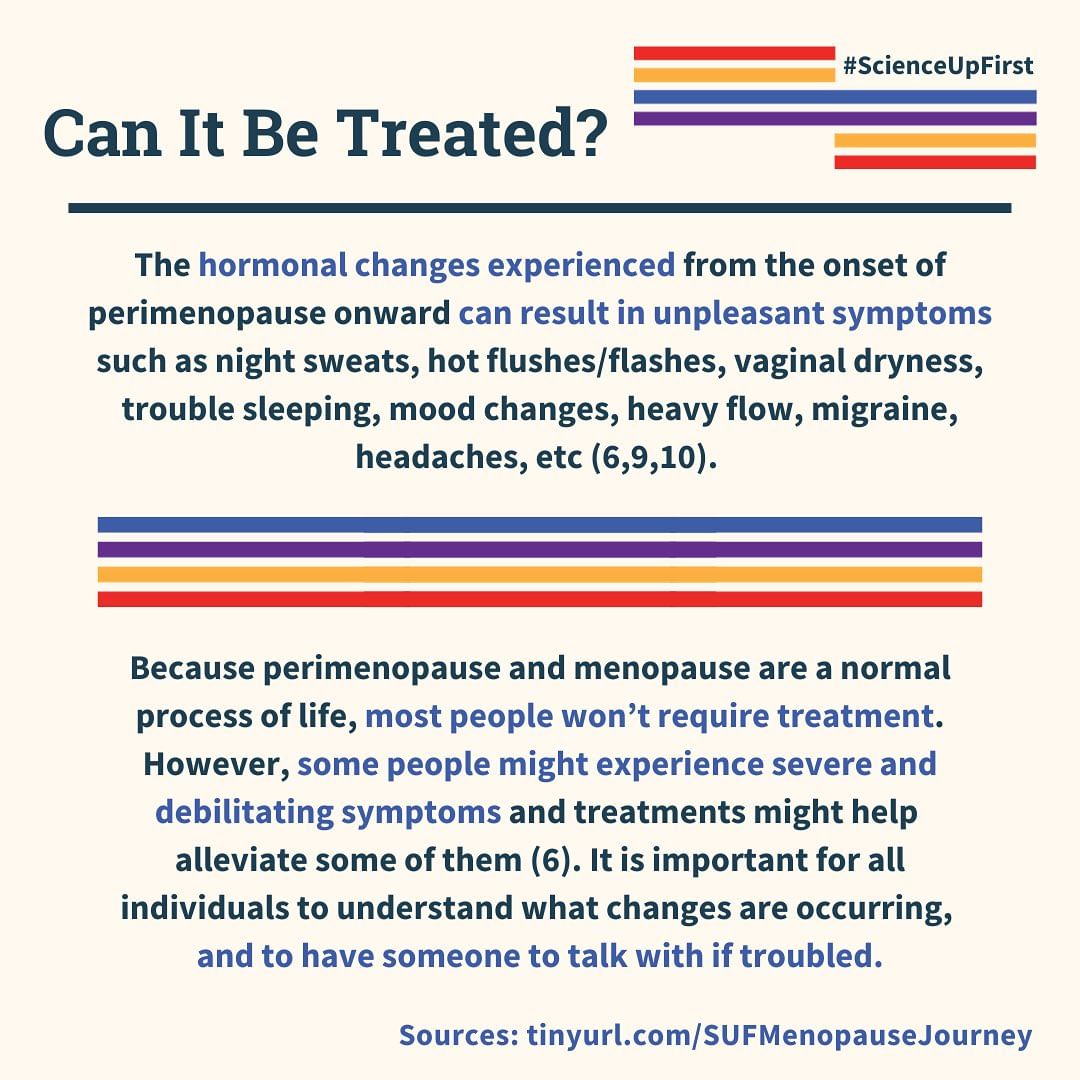
Menopausal Hormone Therapy (MHT) can greatly improve quality of life by reducing symptoms and certain risks caused by the hormonal changes happening during the natural transition towards and after menopause.
MHT is about the balance between benefits and risks, which should be discussed and re-evaluated often with a healthcare professional (5,8).
*Note*: There are distinctions in recommendations depending on the type of MHT. For example, systemic MHT will go into the bloodstream and deliver hormones to multiple organs and tissues, while vaginal MHT is only localized (6). Stay tuned for a post on the differences between these two. Feel free to ask us if you have questions about these differences.
Share our original Tweet!
Menopausal Hormone Therapy (MHT) can greatly improve quality of life by reducing symptoms and certain risks caused by the hormonal changes happening during the natural transition towards and after menopause.#ScienceUpFirst#WomensHealthEvidence
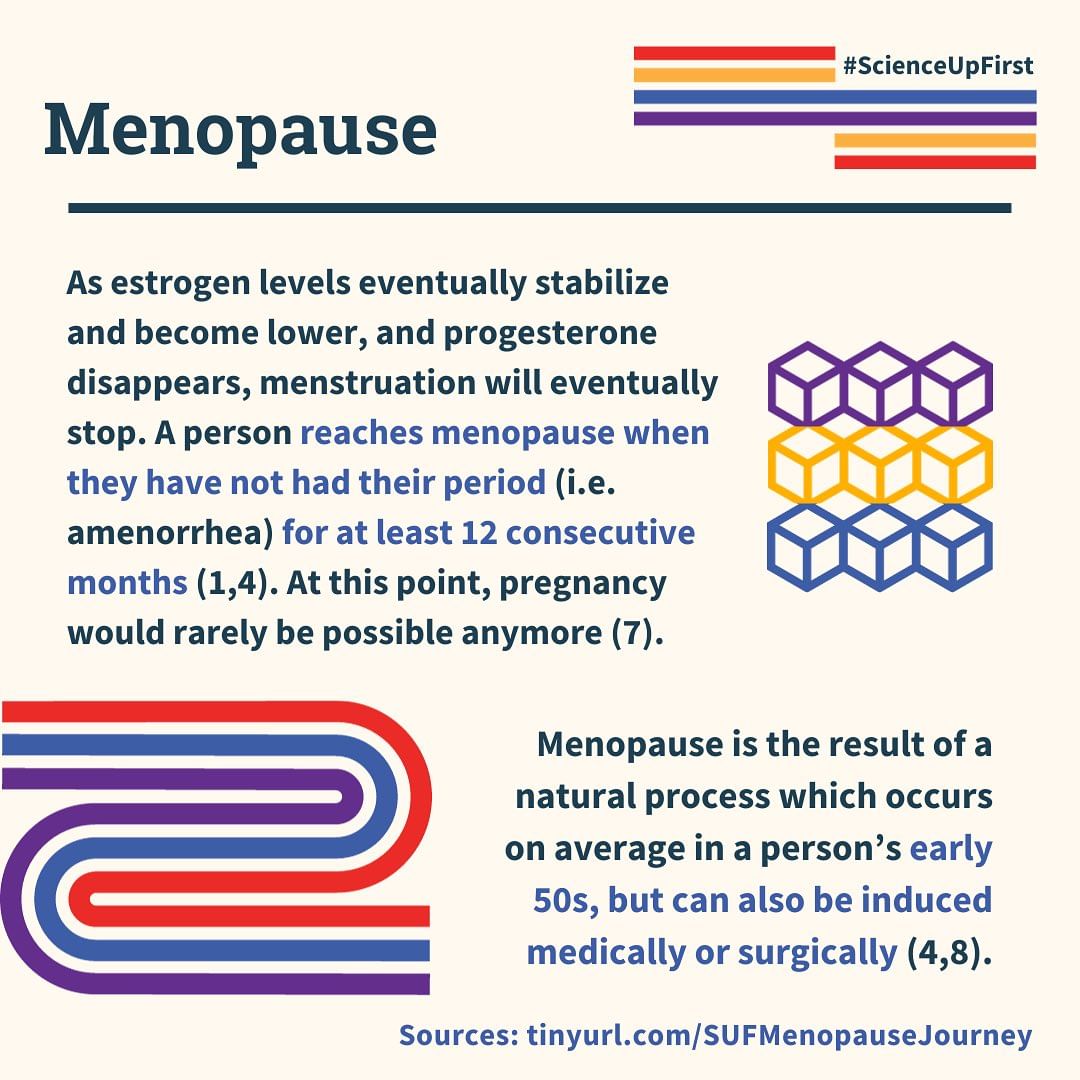
You might be surprised to learn that it is only when a person with a uterus has not had their periods for over 12 months that they are officially considered menopausal.
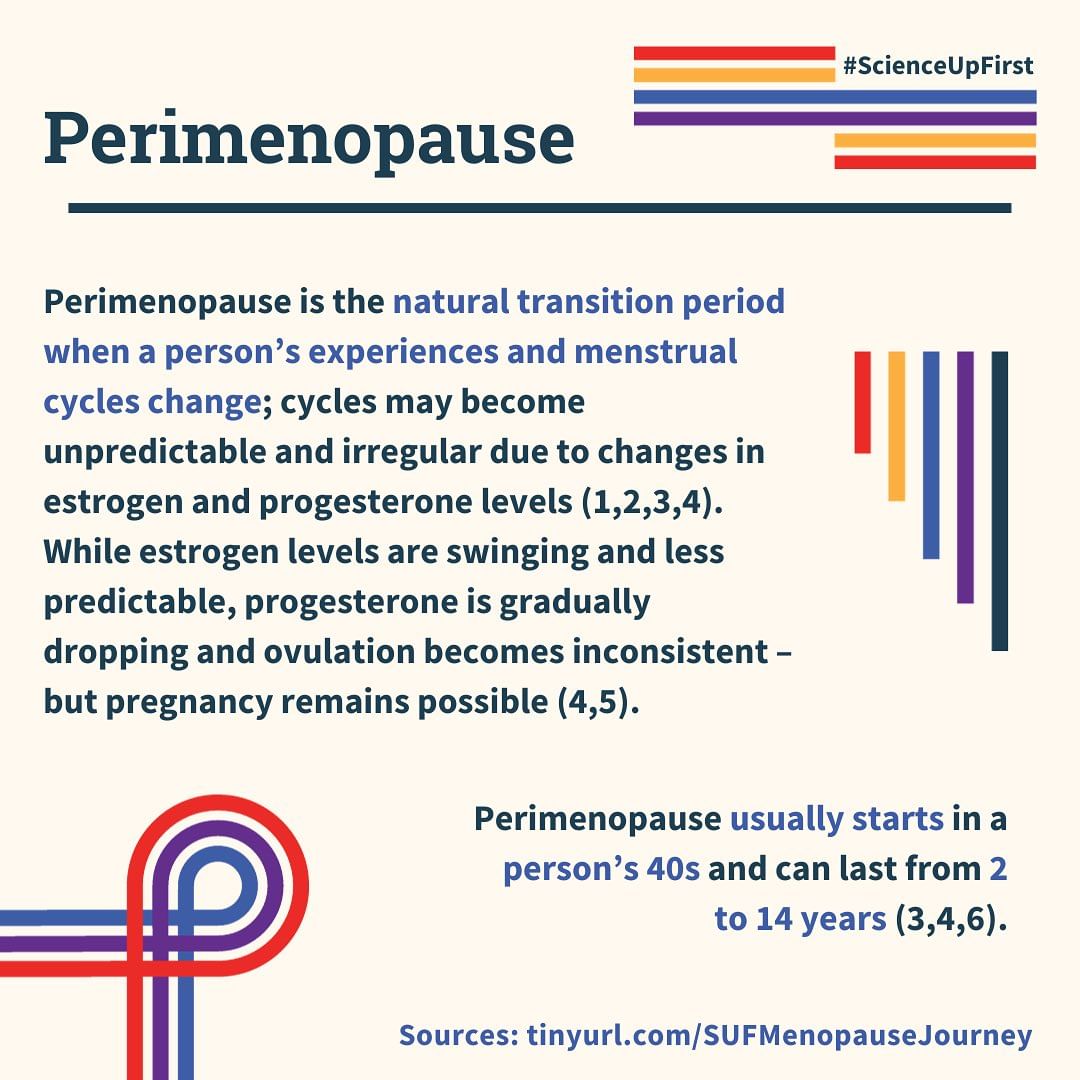
The periods leading to menopause, where many hormonal changes happen, is called perimenopause. Knowing the difference between menopause and perimenopause is important especially if hormonal treatments are considered.
Keep your eye out for our post on progesterone for perimenopausal night sweats and menopausal hormone therapy (MHT) coming soon.
Share our original Tweet!
While both are characterized by hormonal changes, menopause and perimenopause are two distinct phases.#ScienceUpFirst
When it comes to pregnancy, there are a lot of misconceptions.
We’re here to help you sort fact from fiction.
Claim: You should not dye your hair while pregnant.
False. Though some chemicals contained in hair dyes might cause harm, this is only so in very high concentrations which is not the case with current permanent and semi-permanent dyes (34,35,36).
Also, the dye is mostly in contact with your scalp and the small amount that your skin could absorb probably won’t ever reach your baby (35,36).
To be on the safer side, wait to be in your second trimester before dying your hair and try to decrease your usage frequency as much as possible (34,35,36).
Claim: Taking a warm bath or going into a hot tub can hurt the baby.
True. Staying in warm water for an extended period of time will raise your body temperature. At this point, your body might try to cool you down without success and leave you feeling faint (38).
A rise in your body’s temperature can also harm your baby, especially in the first trimester (38). Try to avoid sitting in water warmer than 35-40॰C or in a hot sauna for longer than 20 min (38,39).
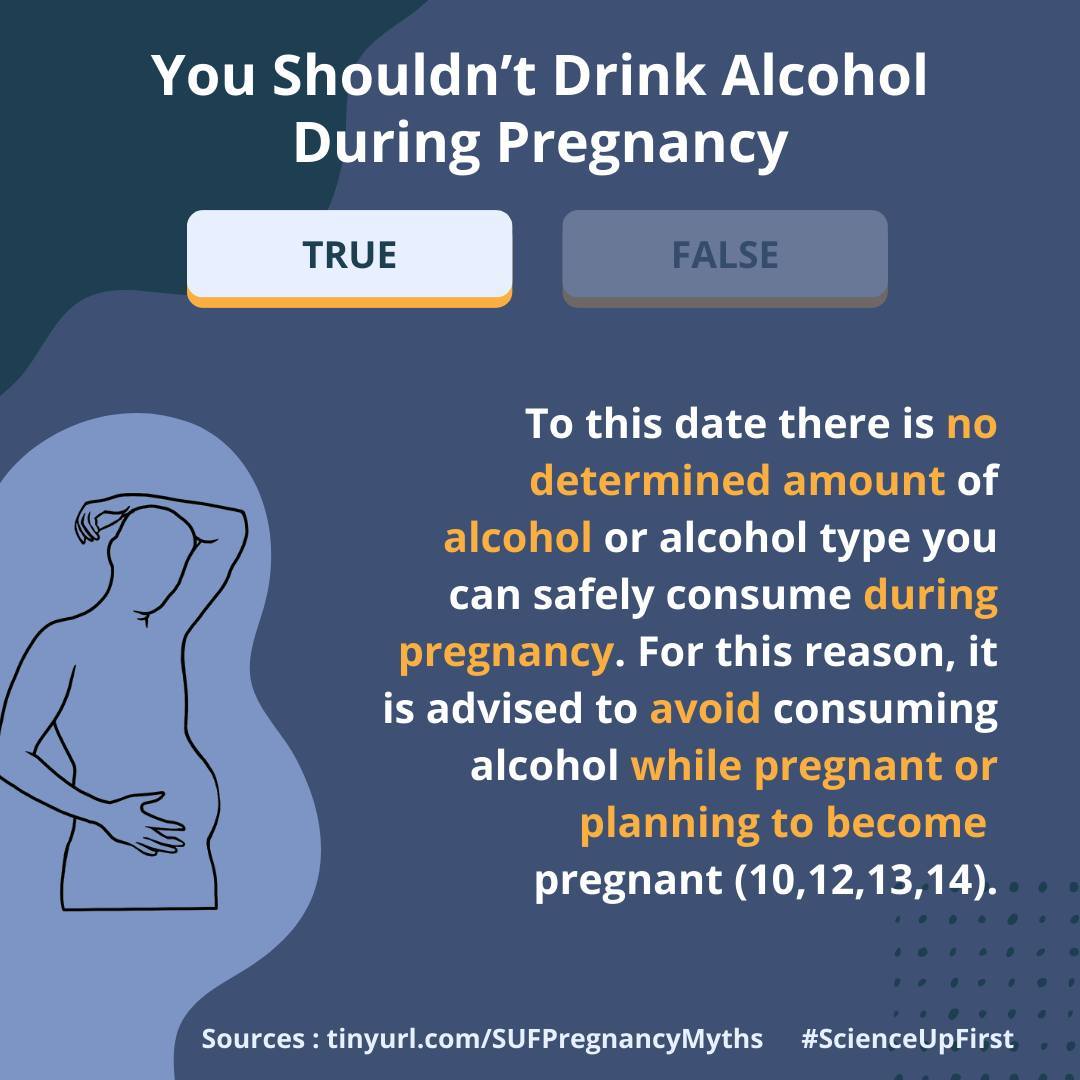
Claim: You shouldn’t drink alcohol during pregnancy.
True. To date, there is no determined amount of alcohol or alcohol type that can be safely consumed during pregnancy. For this reason, it is advised to avoid consuming alcohol while pregnant or planning to become pregnant (10,12,13,14).
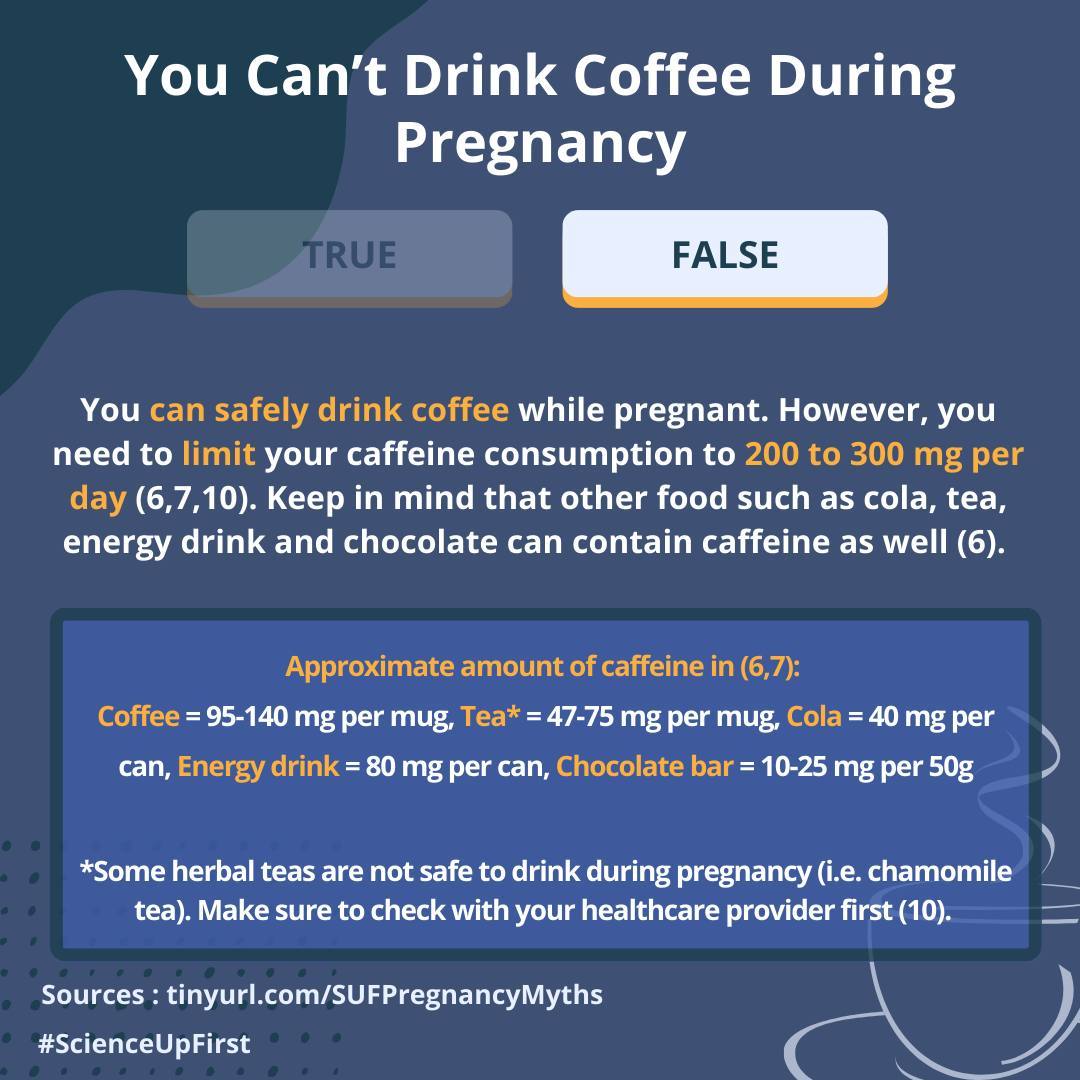
Claim: You can’t drink coffee during pregnancy.
False. You can safely drink coffee while pregnant. However, you need to limit your caffeine consumption to 200 to 300 mg per day (6,7,10). Keep in mind that other food such as cola, tea, energy drink and chocolate can contain caffeine as well (6).
*Some herbal teas are not safe to drink during pregnancy (i.e. chamomile tea). Make sure to check with your healthcare provider first (10).
Claim: More frequent heartburn means you will have a hairy baby.
True. Research has found a correlation between heartburn and the amount of hair a baby is born with (18,19,20).
However, heartburn itself is probably not the culprit.
Instead, scientists think that the hormones estrogen and progesterone might be at play. Both promote fetal hair growth, but can also cause heartburn during pregnancy (18,19).
Claim: You should avoid eating pineapple during pregnancy.
False. There is a misconception that pineapple juice causes miscarriages if consumed early during pregnancy and induces labour if consumed later on (24).
One study on rats found that drinking pineapple juice did not induce labor (25).
Another study, also made on rats, found that, when applied directly to the uterus, pineapple juice might stimulate uterine activity (26).
Another study found that pineapple juice did induce contraction in the lab, but once given to, you’ve guessed it, live rats it did not cause miscarriage and all rat babies were born at term (27).
So unless you plan on applying pineapple juice directly into your uterus, eating pineapple during your pregnancy is safe and a good source of nutrients and even folic acid (28,29). It might, however, cause heartburn as it is very acidic (28,30).
Share our original Tweet!
When it comes to pregnancy, there are a lot of misconceptions.
Are you a human? We are guessing yes as you are reading this right now.
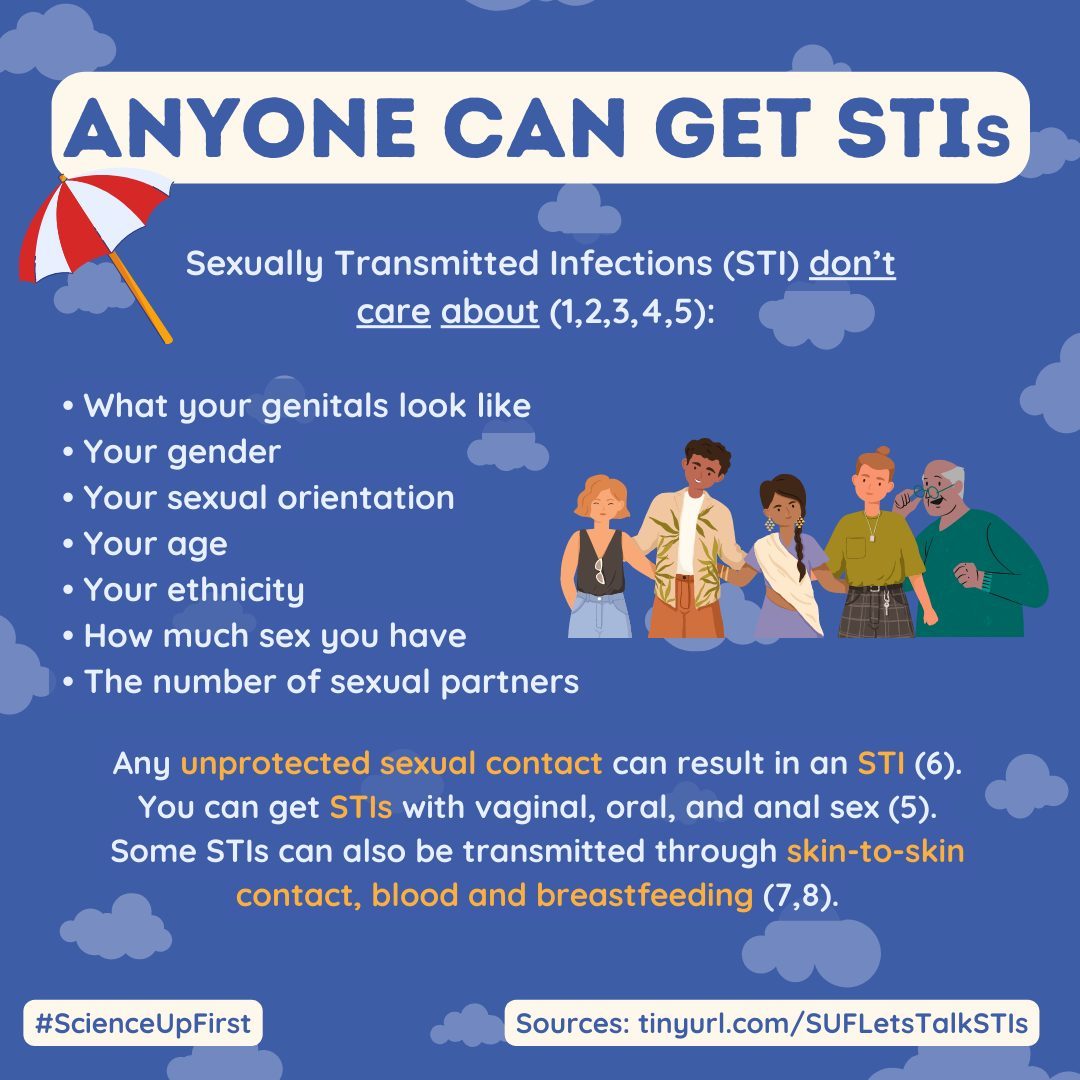
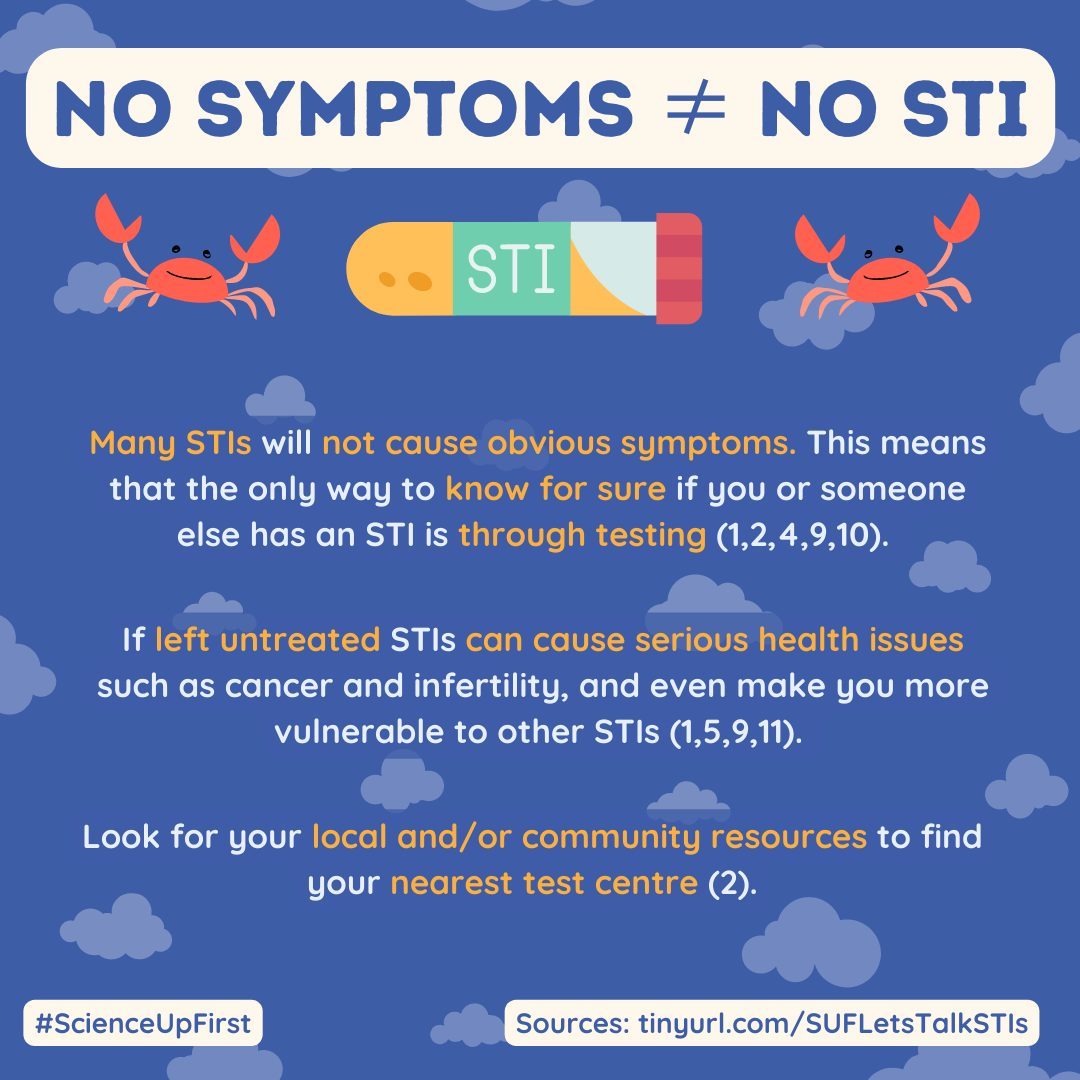
STIs don’t care who you are sleeping with, how sexually active you are, or what you look like. If you are a human, you can get an STI. It is that simple.
The key to getting the best Safe Sex Summer of your life is to effectively protect yourself and get regular screenings. This is important as symptoms of an STI are not always obvious or even present.
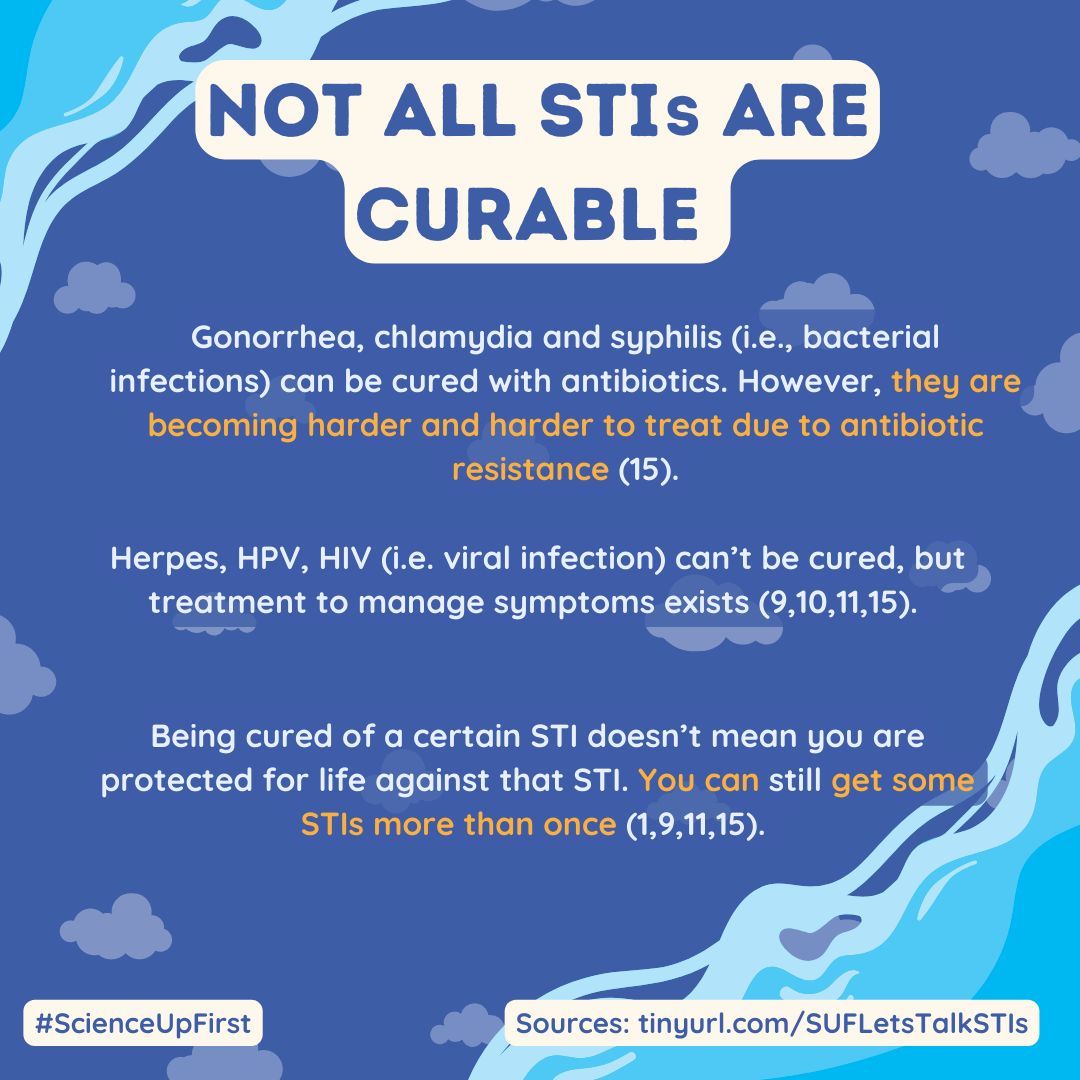
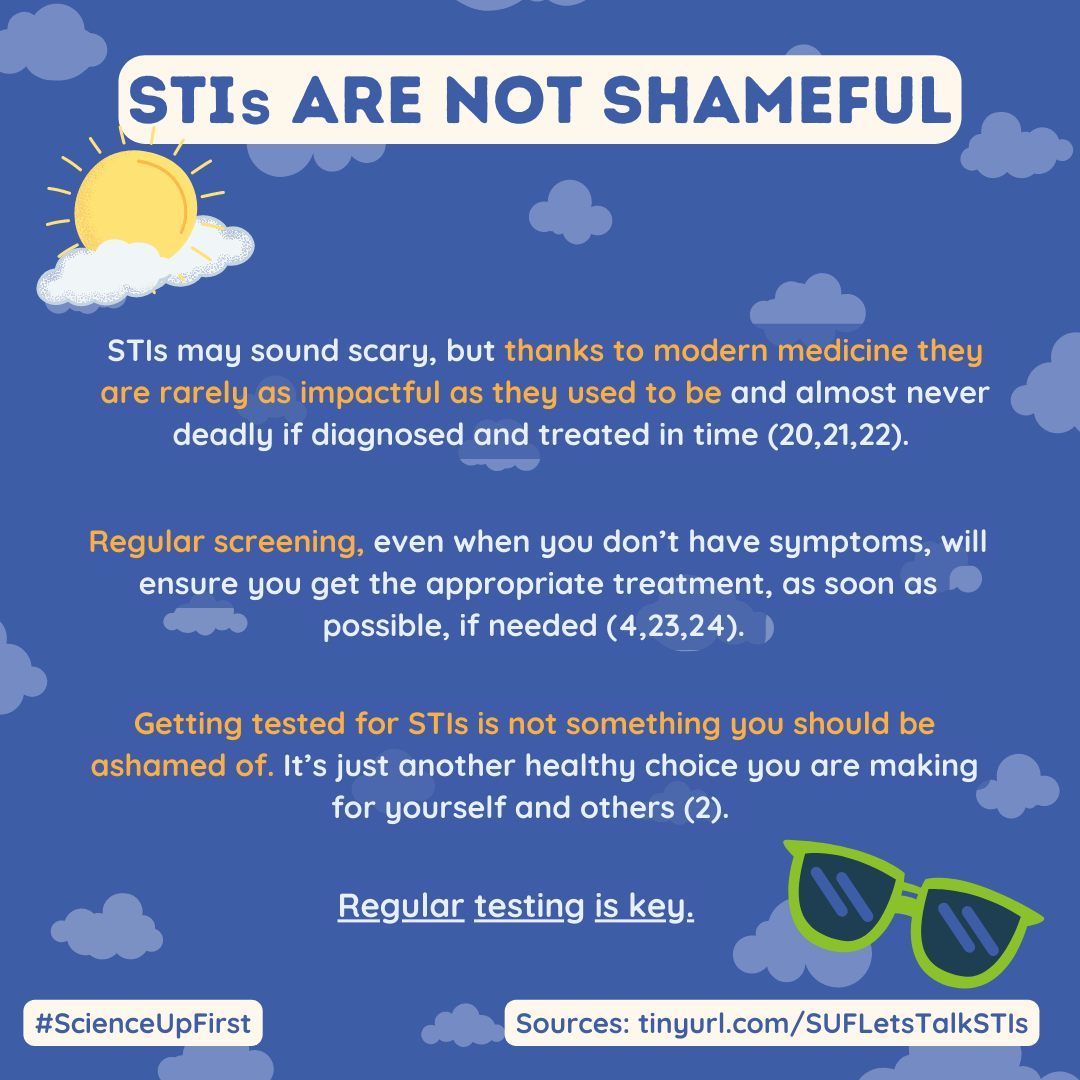
STIs are nothing to be ashamed of. They are just like any other infection. They should still be avoided as much as possible as they can lead to serious health issues.
Talk with your healthcare provider about protection, testing, and screening.
Share our original Tweet!
Are you a human? Well, you can get an STI.
But that doesn’t mean you can’t have the best Safe Sex Summer. All you have to do is protect yourself and get a regular screening.
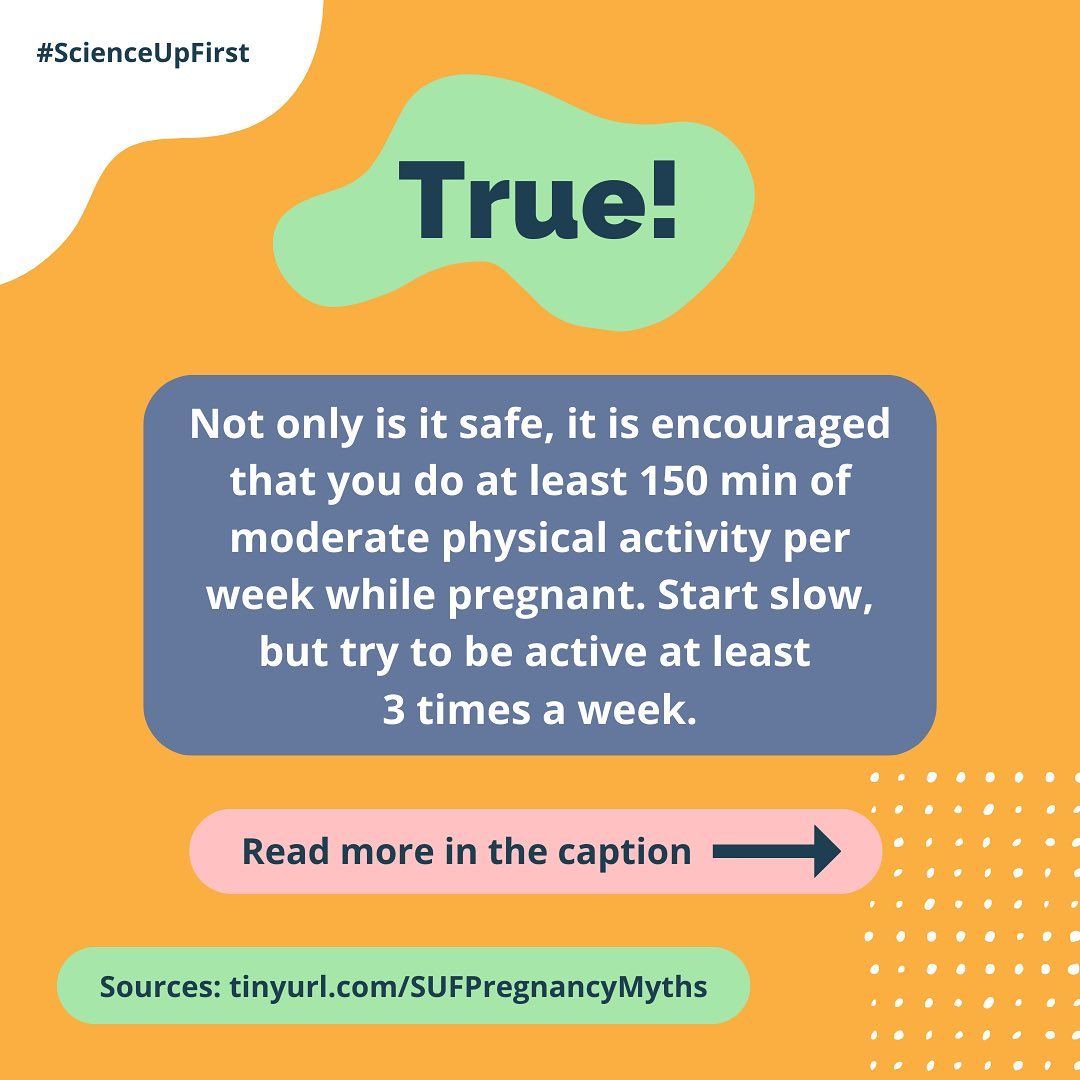
Not only is it safe, it is encouraged that you do at least 150 min of moderate physical activity per week while pregnant. Start slow, but try to be active at least 3 times a week (10).
Being active during your pregnancy will help you sleep better, increase your energy, help with constipation and bloating and help build your strength for labor (10).
However, in some cases, exercise might not be recommended. Always follow your healthcare provider’s advice.
Share our original Tweet!
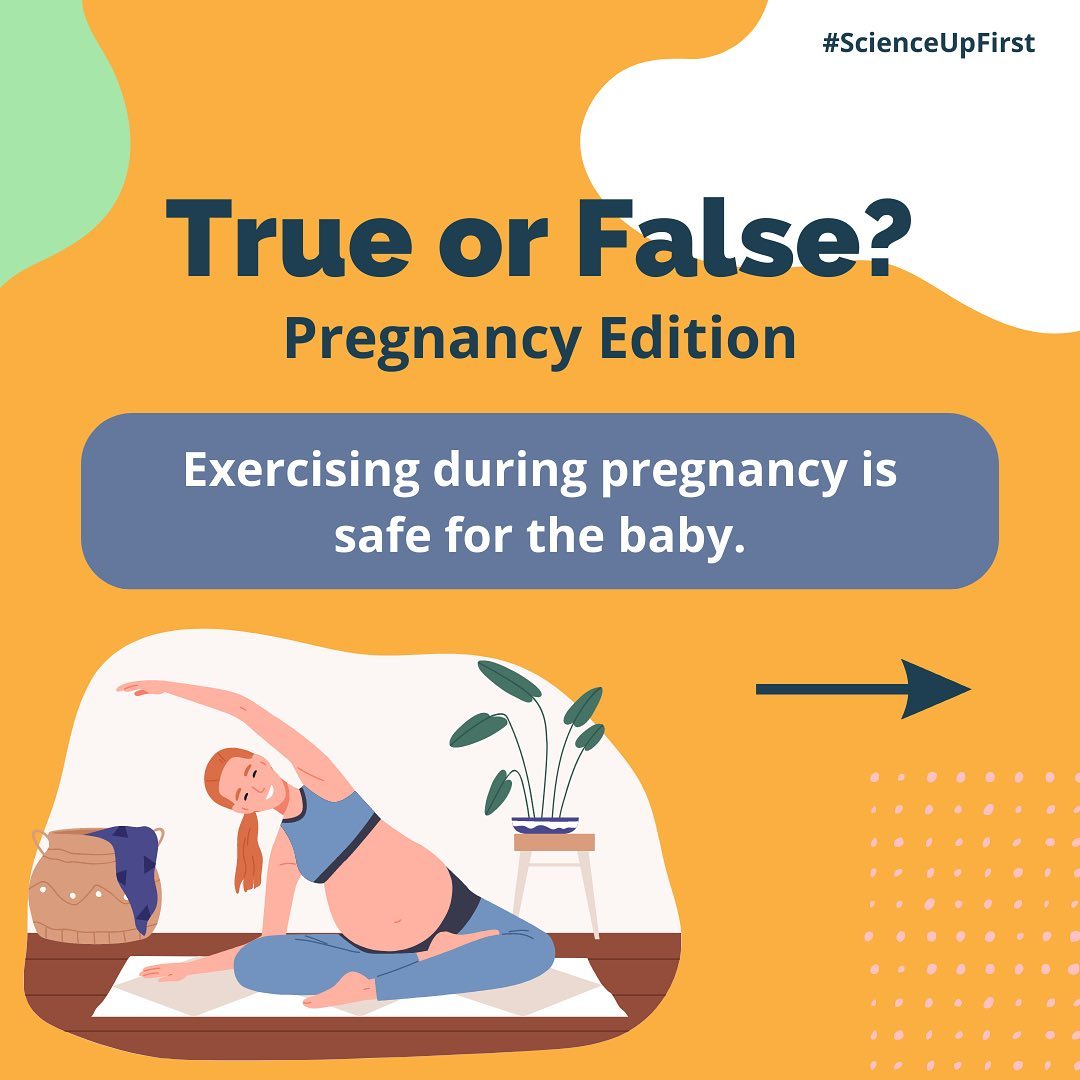
What do you think, is it safe to exercise while pregnant?
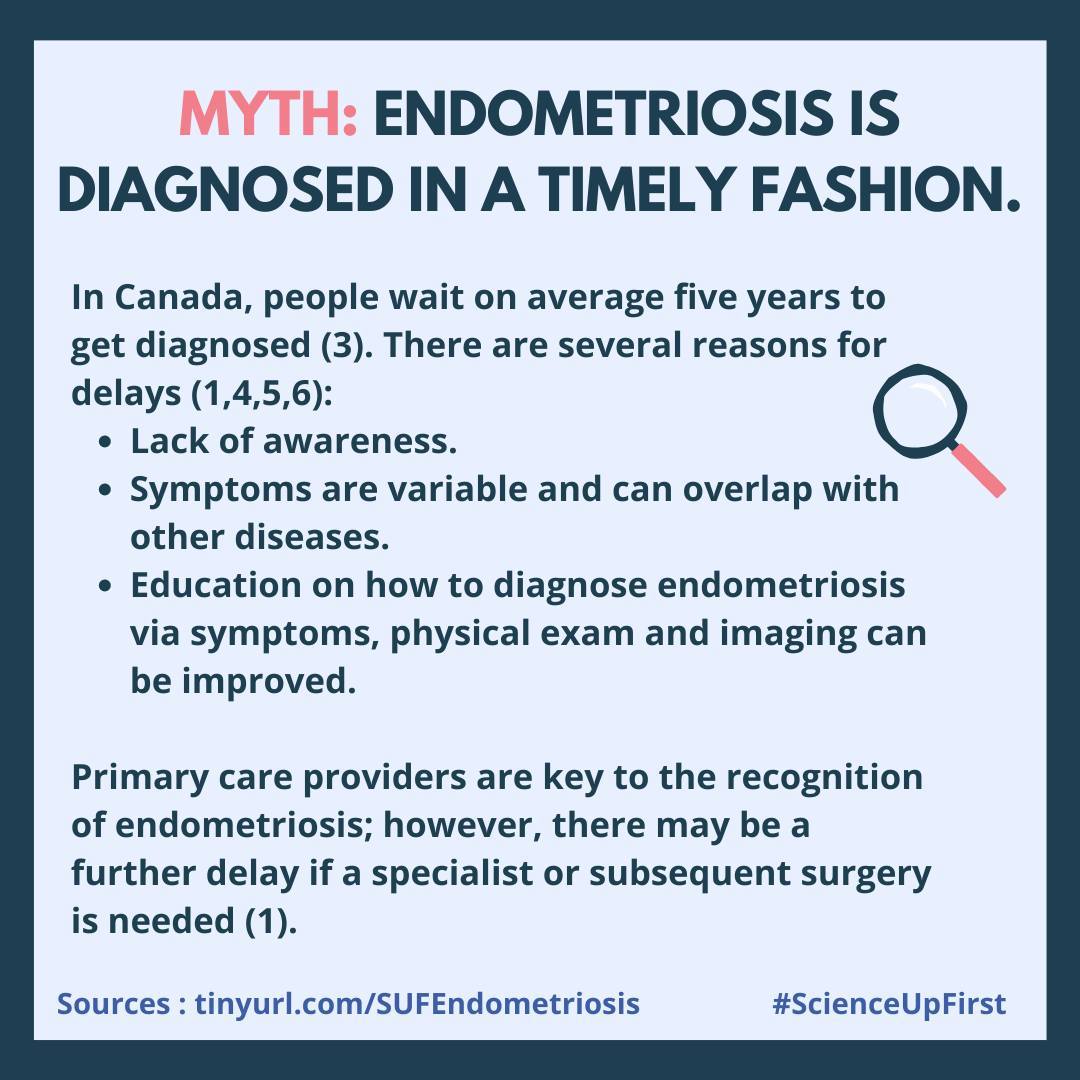
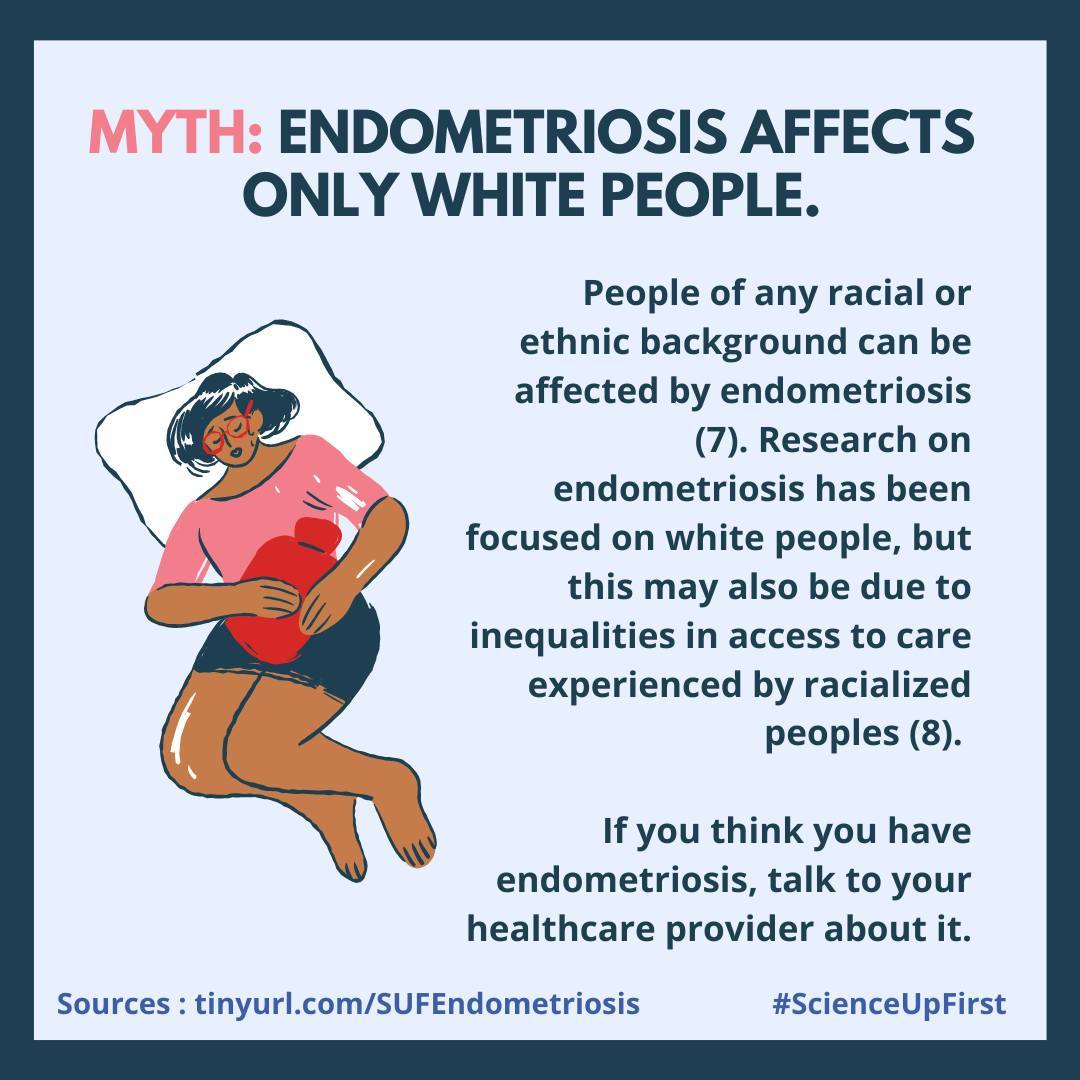
Endometriosis affects over 1 in 10 people globally, but still not many people are fully aware of this life-altering disease (1).
Endometriosis happens when tissue similar to the tissue lining the uterus starts to grow outside of the uterus (1,14). These abnormal growths have been found on many organs including some that are not located in the pelvic region. They can cause painful inflammation and ultimately result in scarring and even infertility (1,14).
People living with endometriosis can experience severe pain during (1):
Their periods
Sex
Bowel movements
Urination
Pain is often so intense that some people are unable to work or attend school. This amount of menstrual pain is not normal (1)!
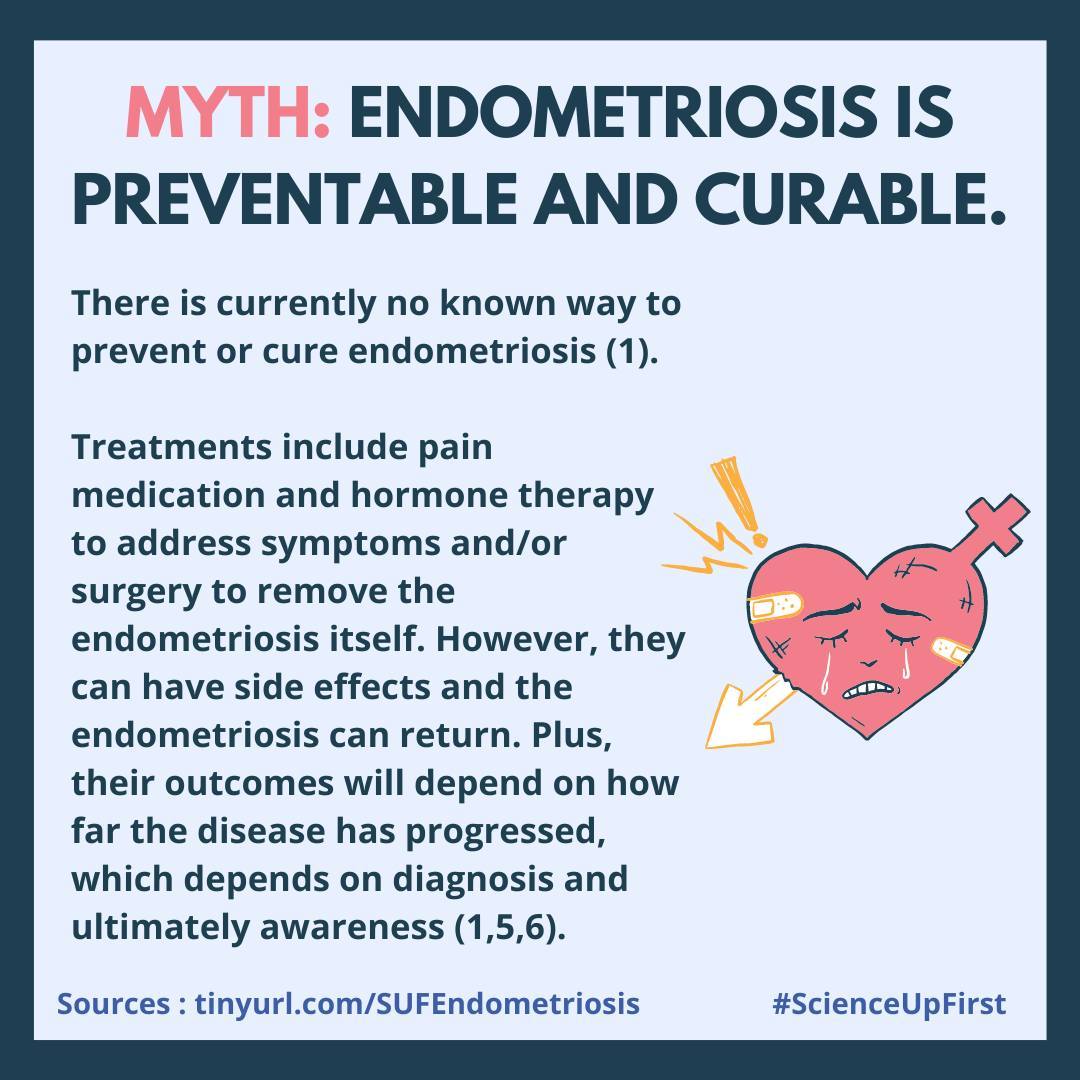
While its impact on people’s lives is important, endometriosis is still misunderstood, misdiagnosed, incurable, and with limited treatment options.
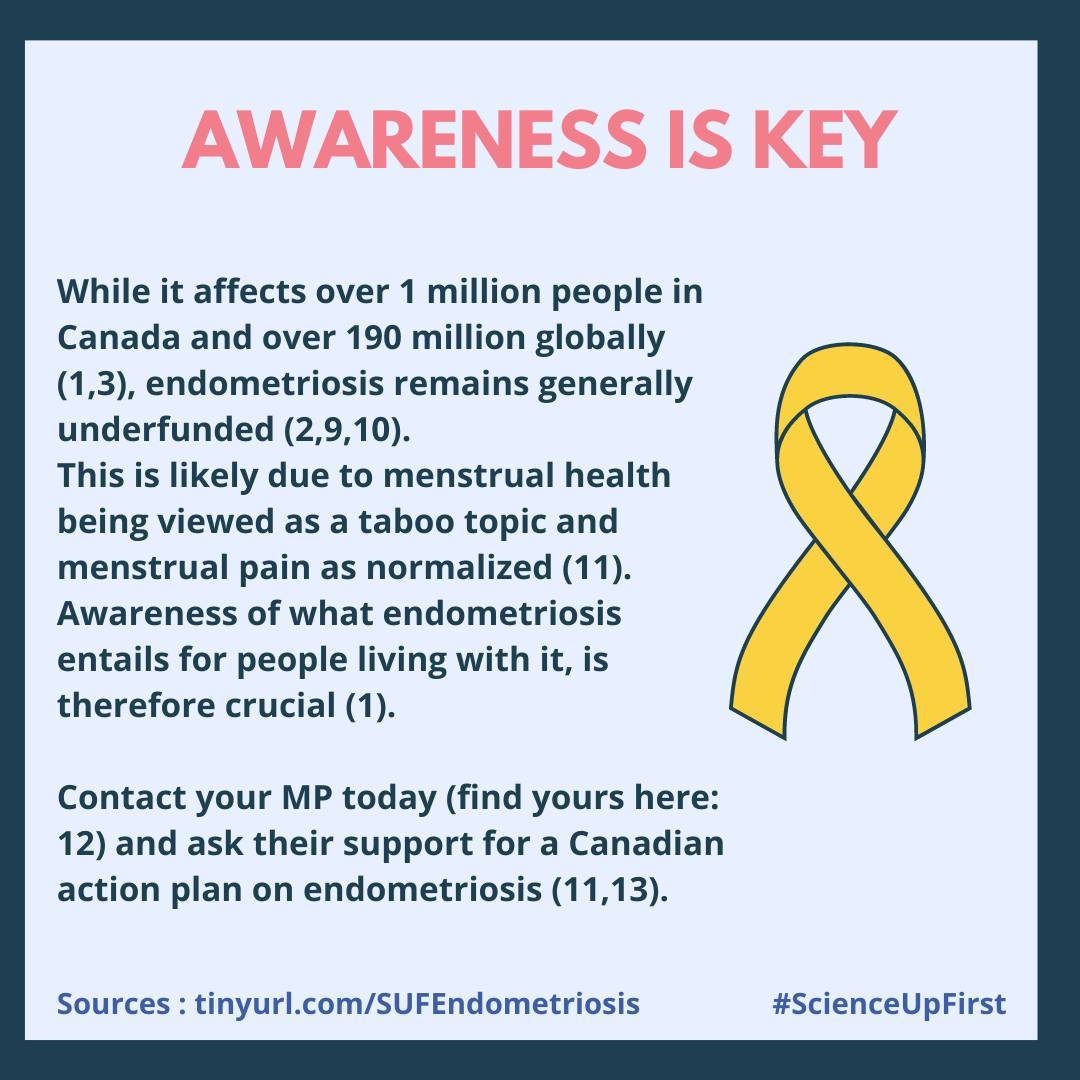
Share this with your circle to help raise awareness of endometriosis. Contact your MP today and ask their support for a Canadian action plan on endometriosis
Share our original Tweet!
Endometriosis affects over 1 in 10 people globally, but still not many people are fully aware of this life-altering disease.
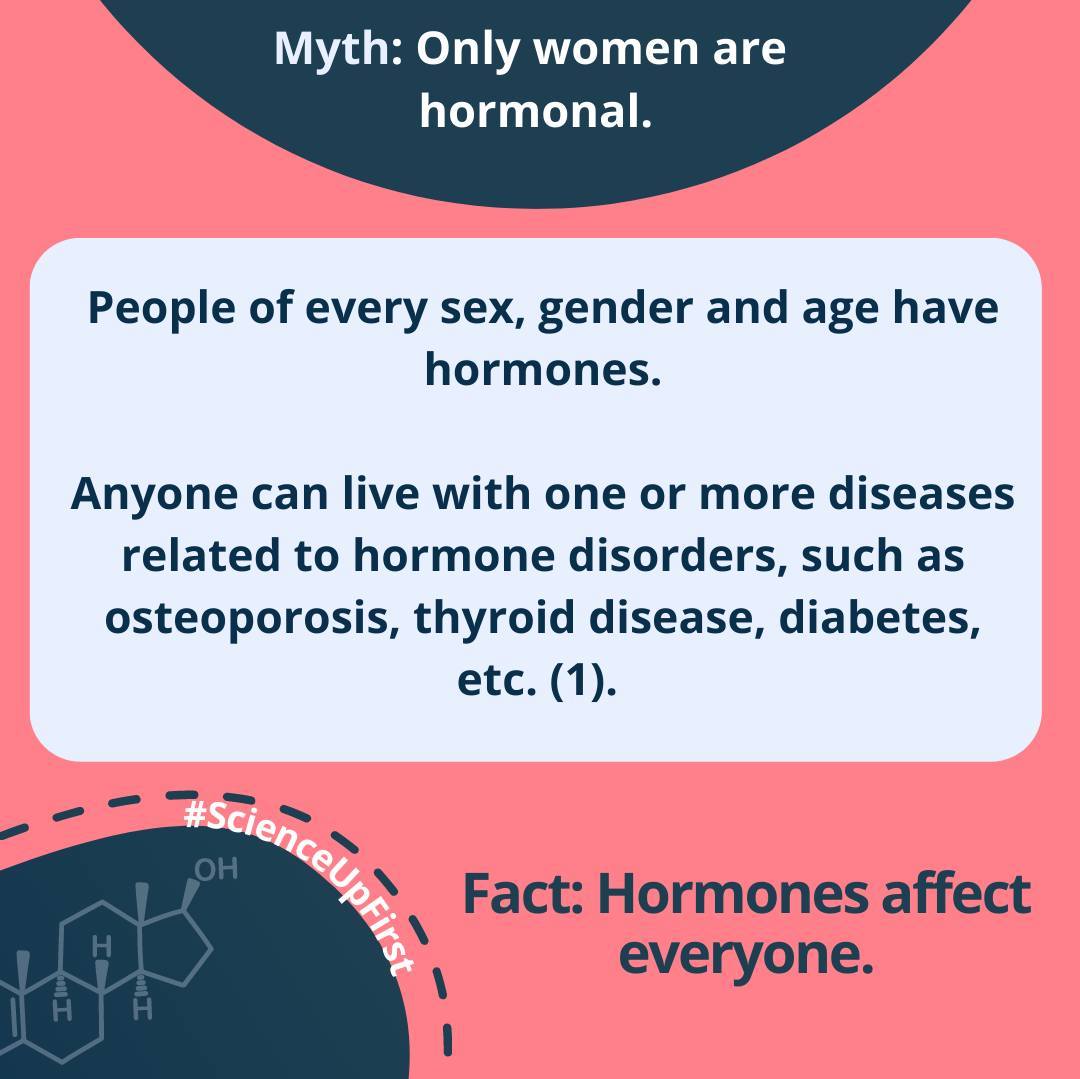
Women are often painted as the only folks who get “hormonal”, but hormones are everyone’s concern.
Hormones are essential to your body’s proper functioning and play a big role in your health and well-being (2). People of all genders have relatively the same hormones, but their production site, concentration, and target action might differ (1).
When certain hormones are over or underproduced by the body it can result in symptoms and significant health issues. People of all genders can experience hormone disorders such as testosterone deficiency, osteoporosis, thyroid diseases, diabetes, etc (1,3,4). With over 50 hormones identified in the human body, there is unfortunately no single symptom that can clearly point to a specific hormonal disorder. Changes in your hormones can affect your metabolism, your sexual life, your weight and even cause anxiety (2).
Your hormones can vary naturally throughout your life. These changes can be temporary or might need treatments. Hormonal changes can also arise from other more serious diseases. That is why, if you suspect you might have a hormonal disorder, you should talk to a healthcare provider (2).
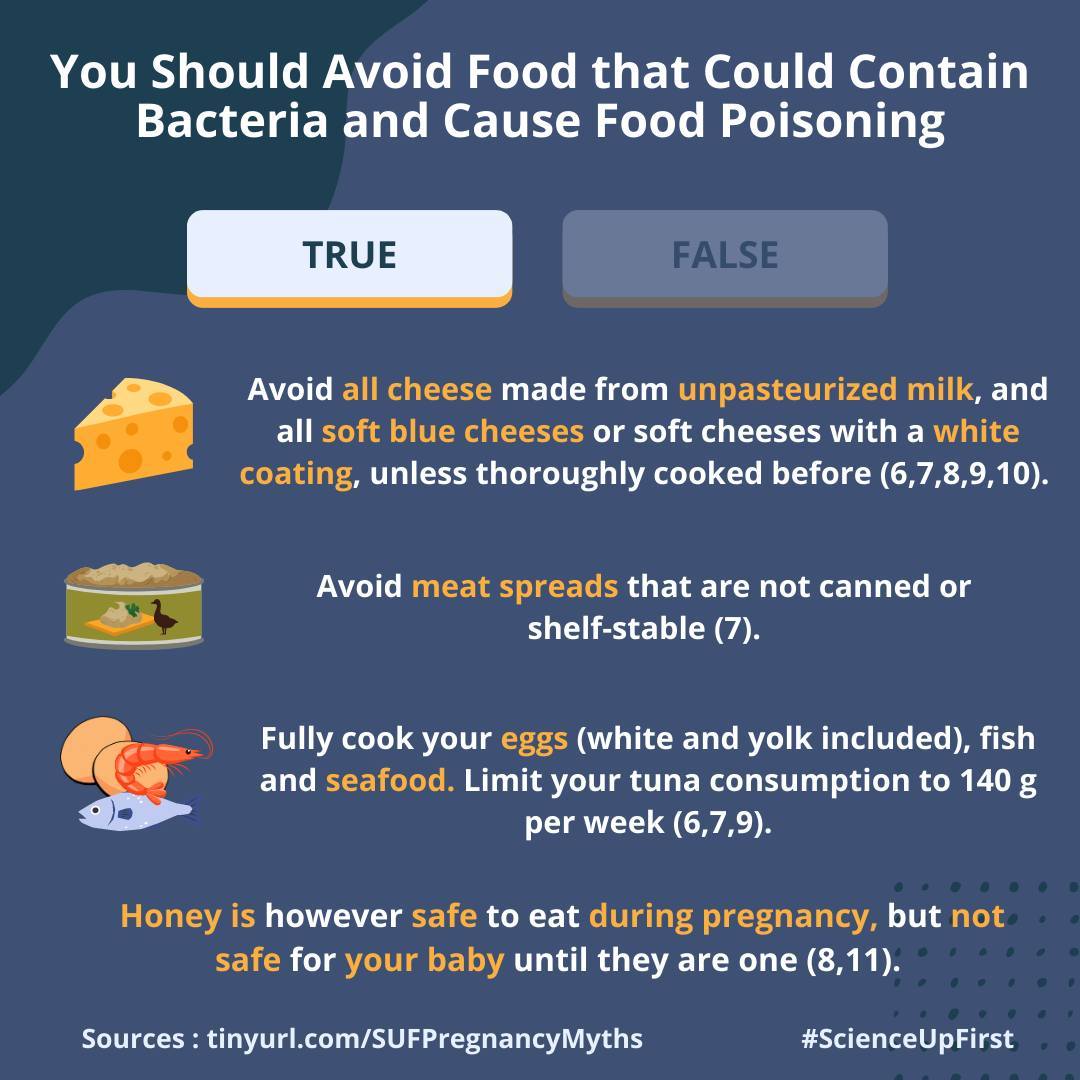
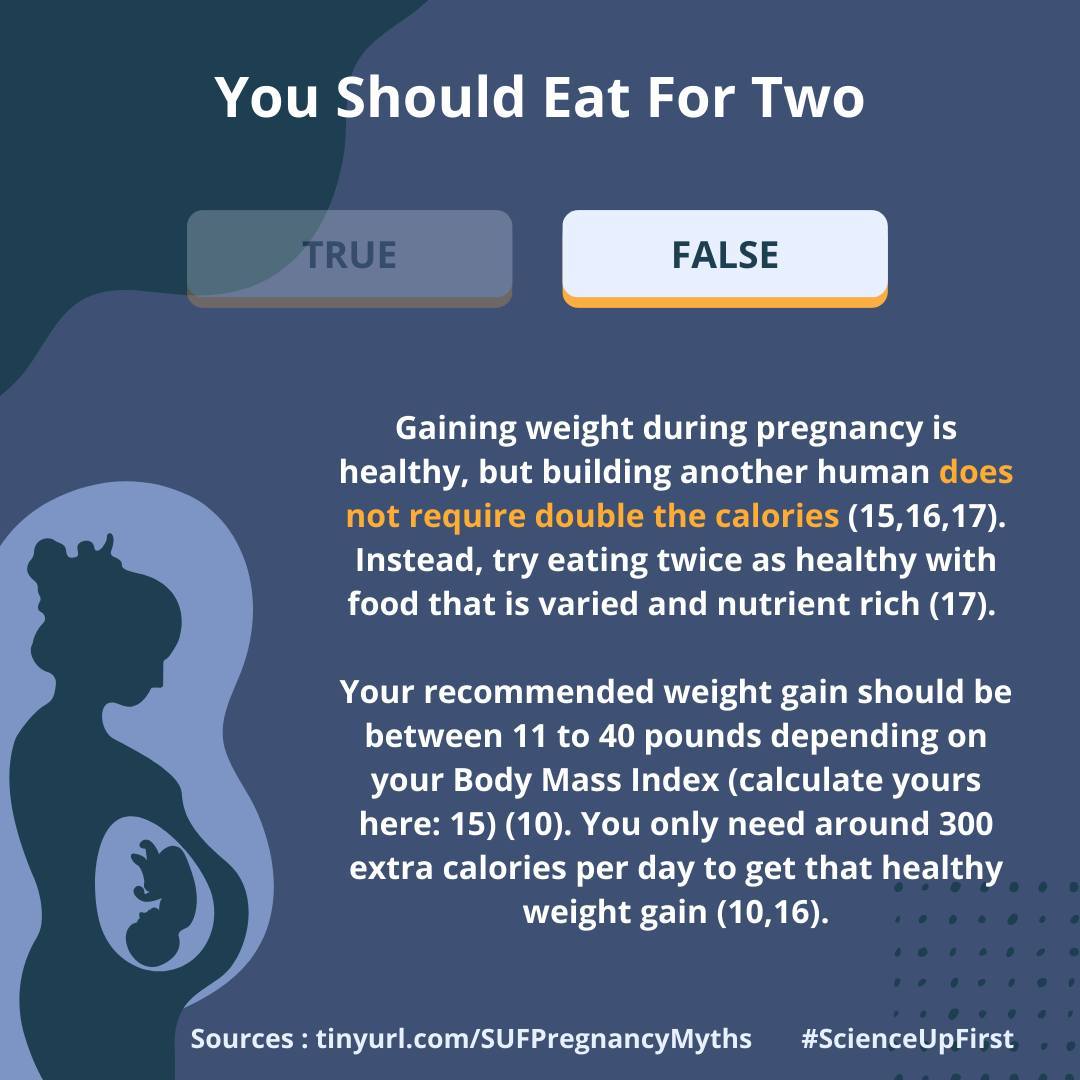
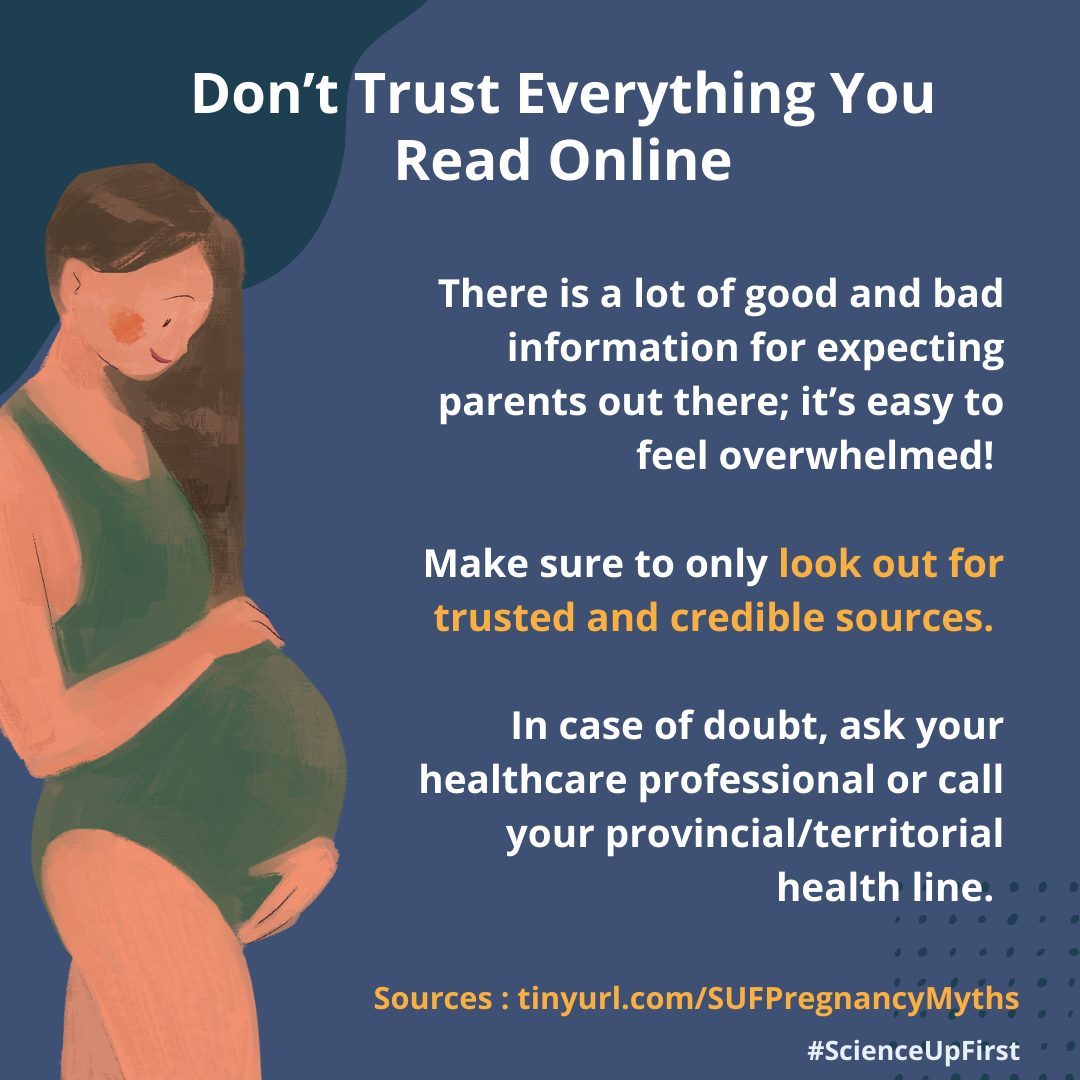
There is a lot of pregnancy information out there. Which ones are facts? Which ones are tales?
@cassandra.bouchard, our #ScienceClub member, asked her community what information they heard about pregnancy. We did the research and asked our experts. Here are 5 common pregnancy beliefs debunked. Are they true or are they false?
We know there are a lot more common pregnancy beliefs that need to be debunked. We have a couple more cooking, @cassandra.bouchard will talk about some of her favorites on her page too, but we are curious: what pregnancy information have you heard that made you wonder if it was true or not?
Share our original Tweet!
There is a lot of pregnancy information out there. Here are 5 common beliefs debunked https://t.co/k5Za3cTnmg
What common pregnancy beliefs would you like us to debunk next? #ScienceUpFirst
— ScienceUpFirst | LaScienced’Abord (@ScienceUpFirst) March 2, 2023
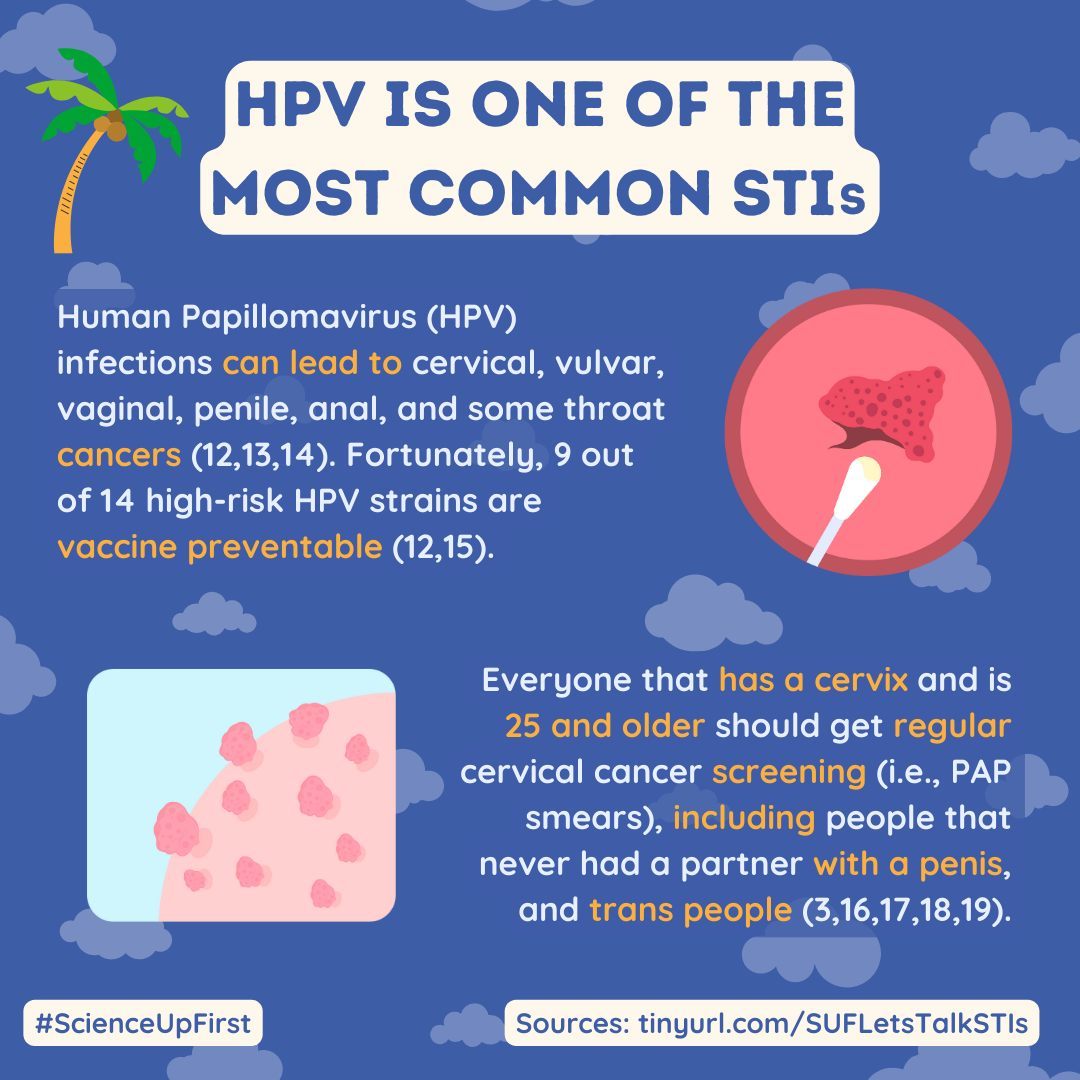
Virtually all cervical cancers are caused by long-lasting infections with certain types of human papillomavirus (HPV) called “high risk” HPVs (1).
On top of cervical cancer, you can develop oral, anal and other genital cancers from a high risk HPVs infection (2). Most HPV cancers are not common in males, but they can get infected and can spread the virus to others.
Fortunately for us, HPV vaccination can prevent most cancers produced by HPVs, including cervical cancer (2,3). For optimal protection, HPV vaccines should be offered to anyone 9 years old and older, before they become sexually active (4,5,6). That is because HPV is a sexually transmitted infection (1,5). But, you don’t have to have sex to get HPV, it can be passed via intimate skin-to-skin contact too (7).
If fully immunized before becoming sexually active, the risk of developing HPV cancers or precancerous lesions is reduced by more than 90% (2,3)!
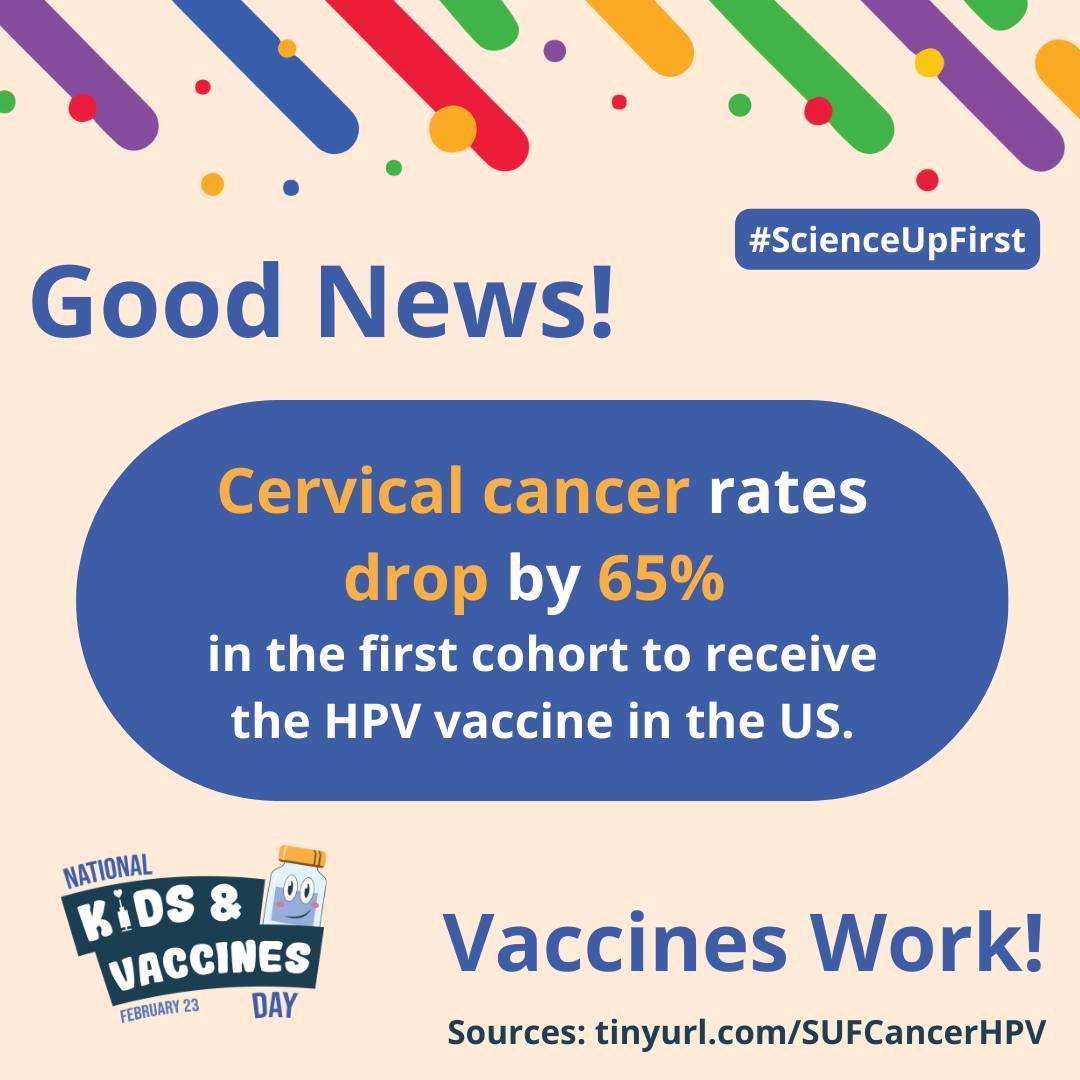
The HPV vaccine was first approved in 2006, both in Canada and the U.S., and some studies are already starting to see its positive impacts on young adults (1,8). Cervical cancer incidence alone went from being reduced by 33% to 65% reduction with the first cohort to receive the HPV vaccine in the U.S. (1). Thanks to herd immunity, there was a significant decline in unvaccinated individuals too (1).
In Canada, HPV vaccination became part of the school-based immunization programme in 2017 (3). So it might take a couple more years before we start seeing the full extent of the vaccine’s positive impact.
Because vaccines can’t prevent all HPV-related cancers, it is very important that everyone keep up with their regular screenings and practice safe sex (4). Early detection, along with diagnosis, treatment and research are all crucial to eliminate cervical cancer (9,10).
Share this good news to remind everyone the importance of HPV vaccination and screening.
Oral contraceptive pills, commonly known as “the pill and “the minipill””, contain a combination of one to two hormones that will prevent ovulation and thus avoid unintended pregnancy (1,23).
In 2015, it was estimated that 75% of people capable of conceiving living in Canada had used this contraceptive method at least once in their life (24). Despite its widespread use, there are a lot of myths and misconceptions about it. Let’s debunk five of them:
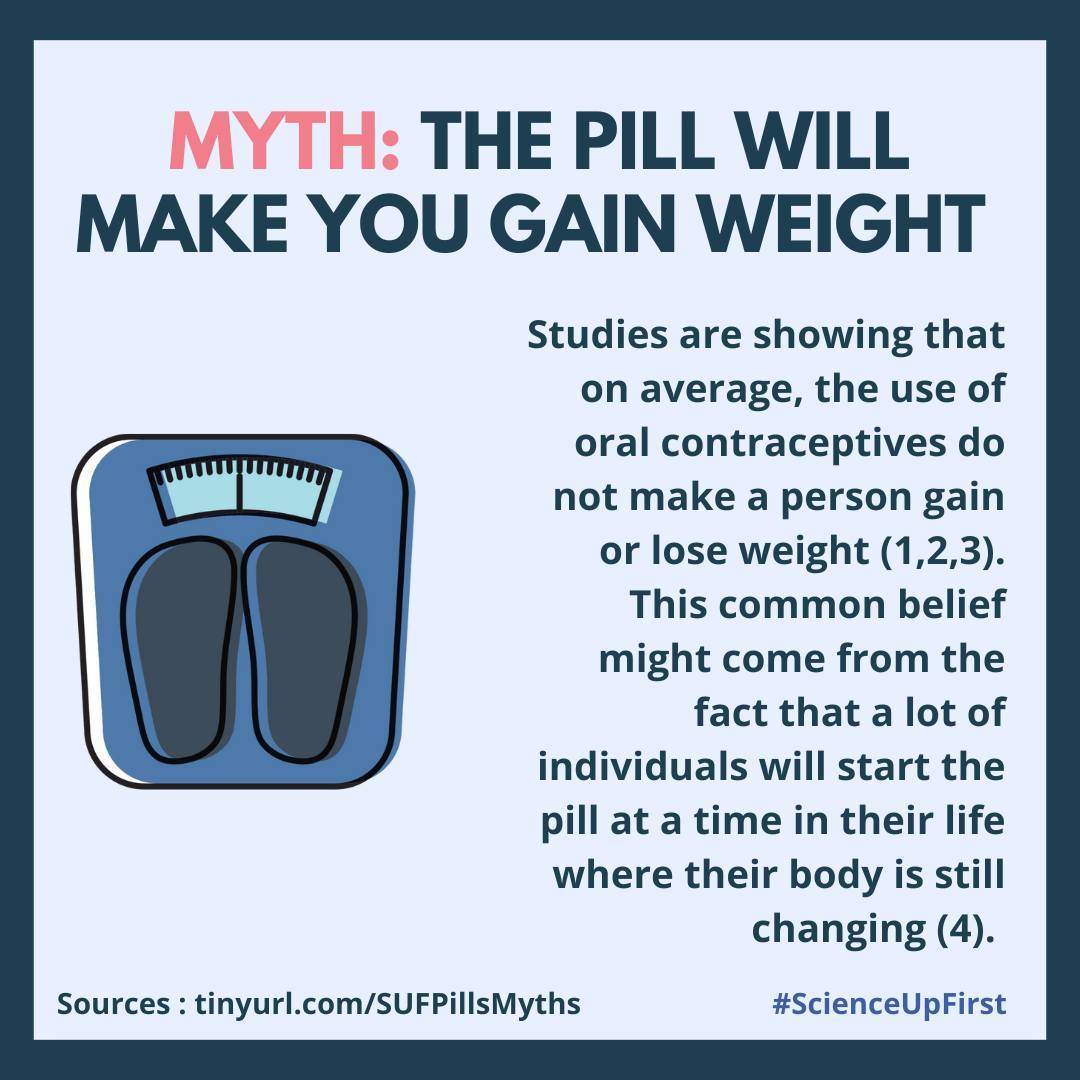
Pills do not cause significant weight gain.
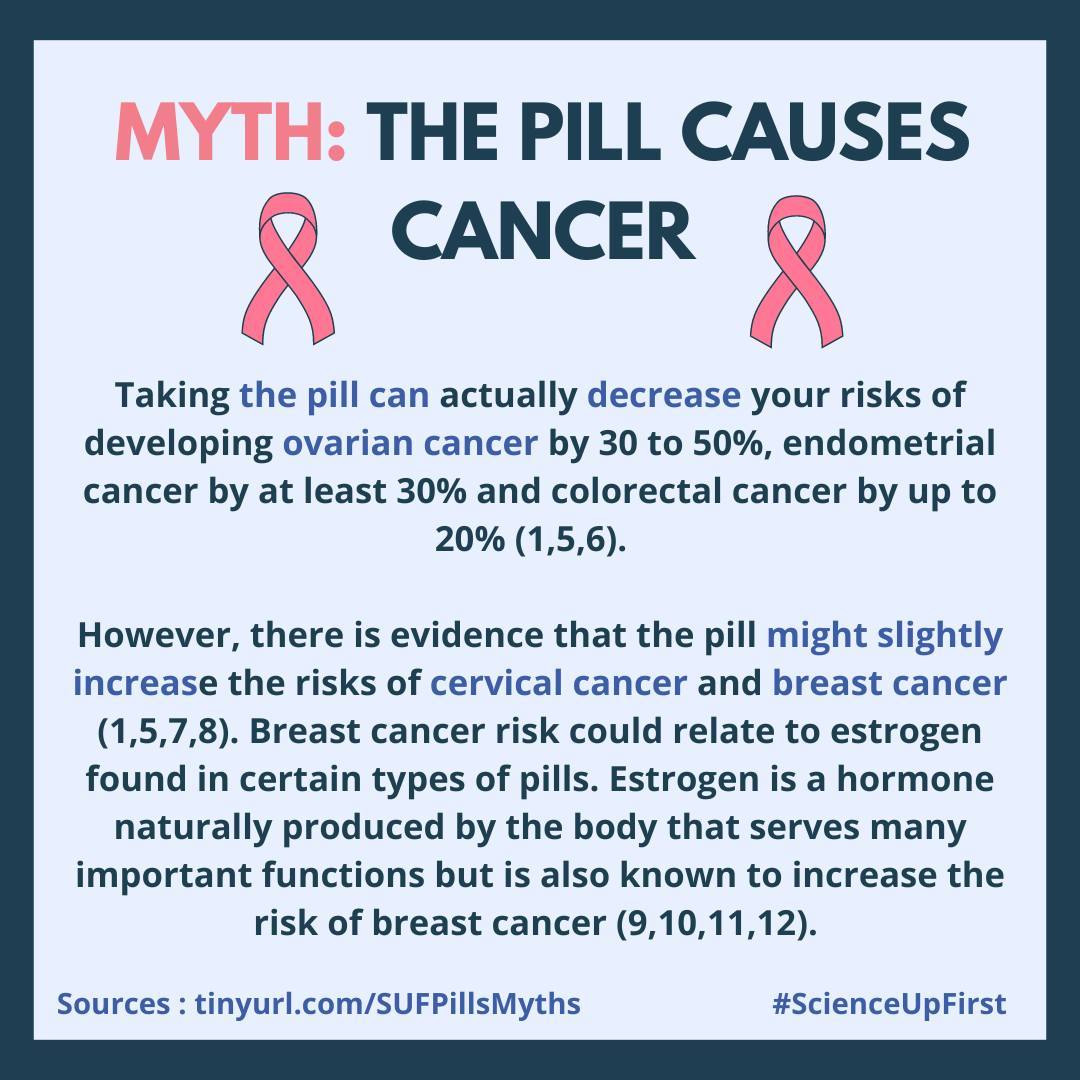
The pill might help prevent some types of cancer but might increase the chance of others.
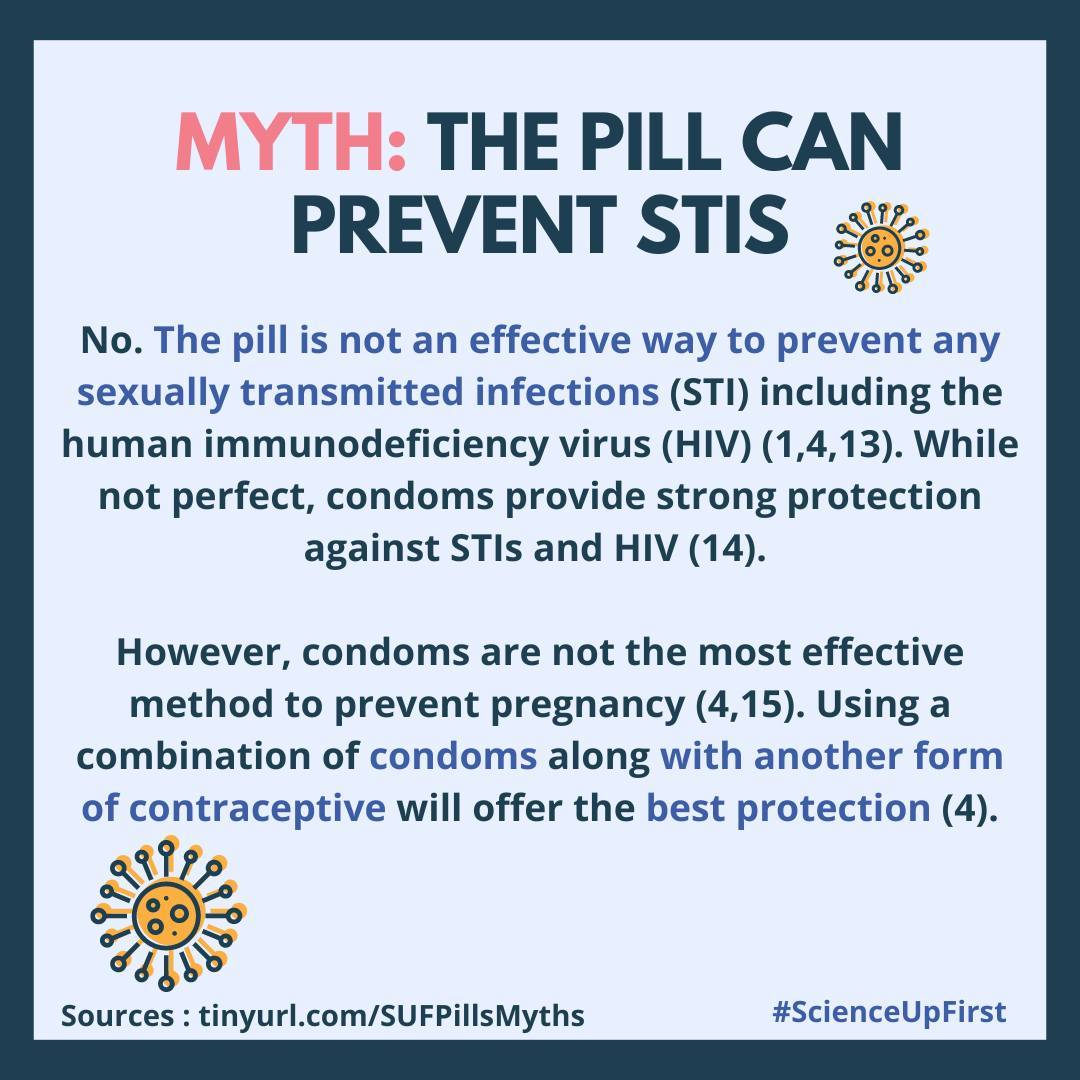
ONLY condoms can help prevent both pregnancy and sexually-transmitted infections (STIs).
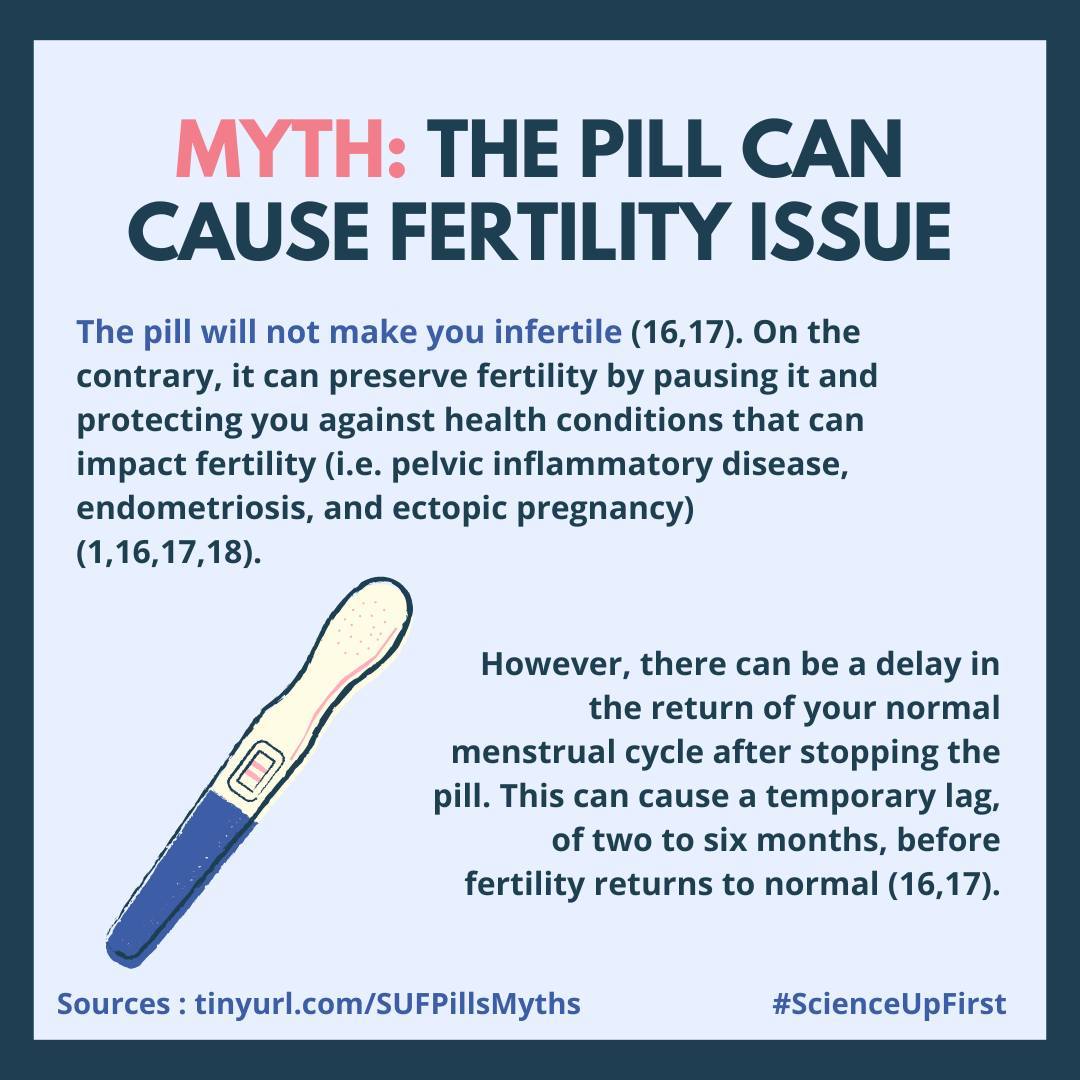
The pill does not permanently affect fertility, but might cause a delay when trying to conceive.
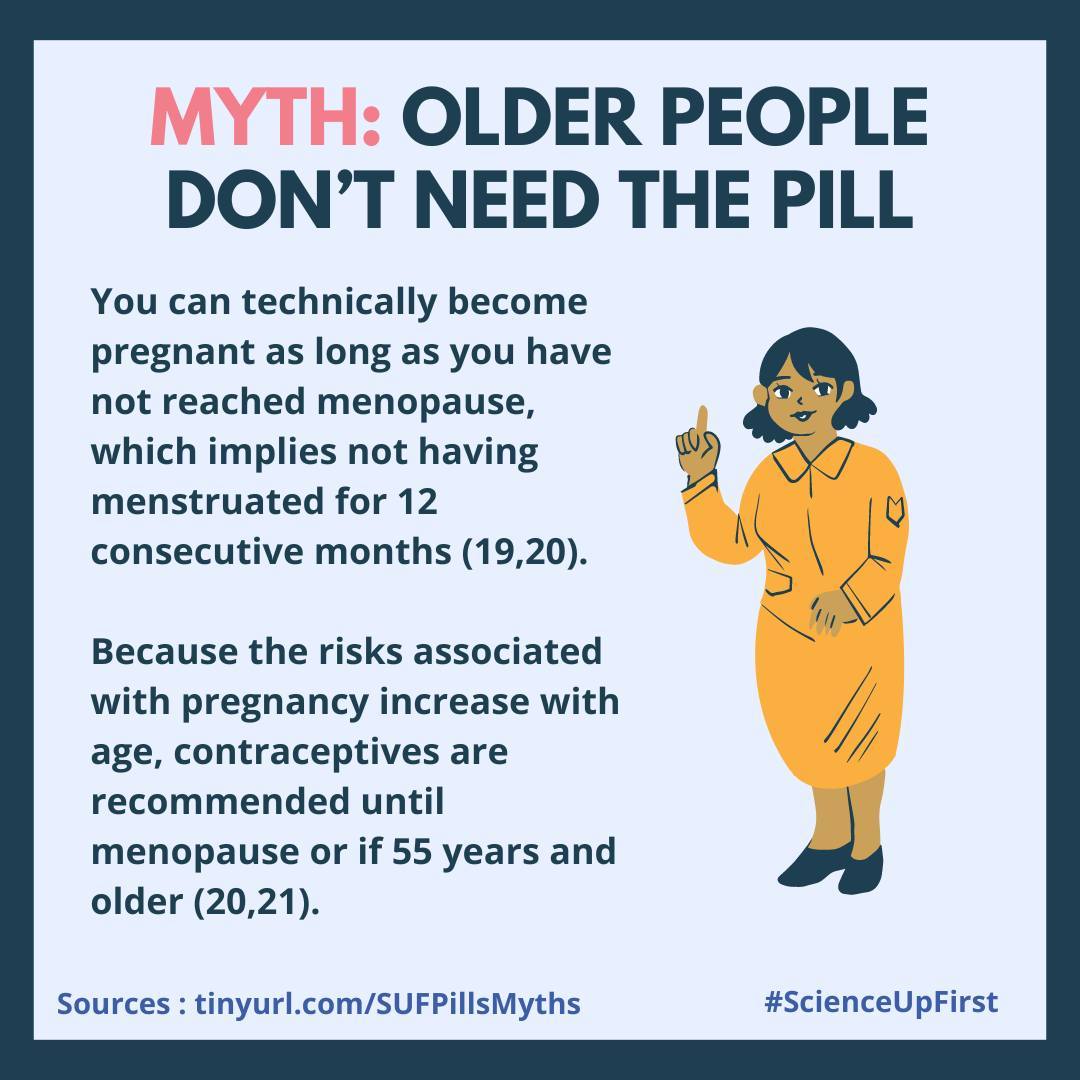
Contraceptive methods are important for all ages.
Share our original Tweet!
Oral contraceptive pills contain one to two hormones that will prevent ovulation and avoid unintended pregnancy.
Despite its widespread use, there are a lot of myths and misconceptions about it.