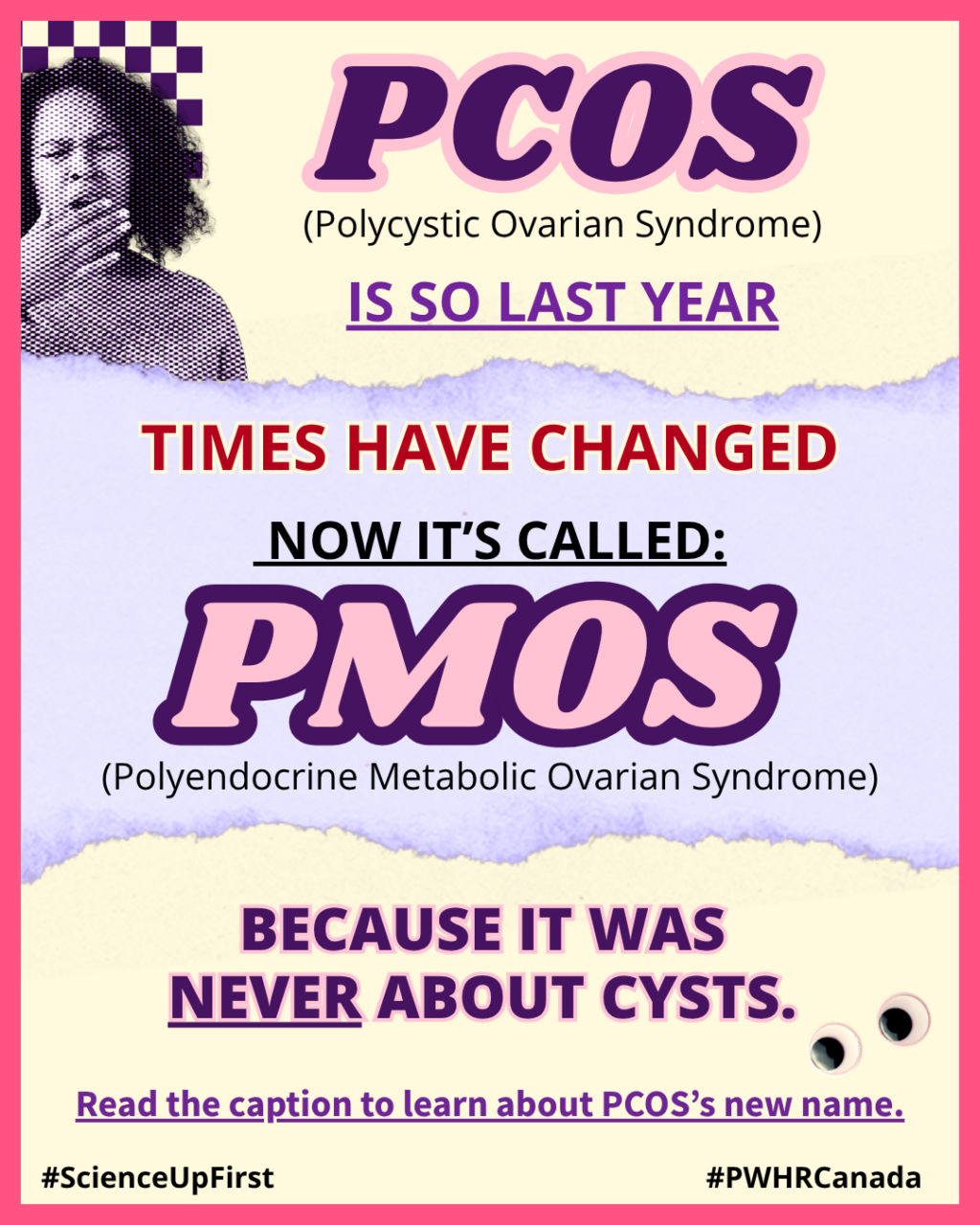

PCOS (Polycystic Ovary Syndrome) is being renamed to PMOS (Polyendocrine Metabolic Ovarian Syndrome) to better reflect the health impact of the condition (1).
The old name focused on “polycystic ovaries” even though the condition does not actually involve ovarian cysts. Instead, some people have immature fluid-filled follicles in the ovaries, while others don’t even have these changes at all. This focus contributed to delayed diagnosis, misunderstandings, and fragmented care.
PMOS better captures the reality: this condition can affect hormones, metabolism, ovulation, fertility, skin, mental health, and cardiometabolic risk and increased risk of diabetes and cardiovascular disease.
Sometimes changing the name changes the care.
We’re planning a CoffeeUpFirst this fall with a PMOS research specialist that was involved in the Global Name Change working group. If you have questions about PMOS, symptoms, diagnosis, treatment, or myths you’ve heard, leave them in our IG comments and we may answer them in the episode 👇
This post was made in collaboration with @pwhrcanada.
Resources
The new name, Polyendocrine Metabolic Ovarian Syndrome (PMOS), has just been published in The Lancet and is being announced currently at the May 2026 European Congress of Endocrinology Conference.
Want to learn more about PMOS and why the name changed? Here are some answers to some common questions.
What is PMOS?
PMOS is a common condition that affects over 170 million women of reproductive age worldwide. It can affect many parts of the body including:
Metabolic health (how the body converts food into energy)
Reproductive health
Psychological health
Skin and hair health
Symptoms include irregular or absent menstrual cycles which may present as infertility, excess or male-pattern hair growth, severe acne, and other metabolic risks such as high blood pressure, high blood lipids, increased diabetes and heart disease risk. Managing the condition can be overwhelming and can lead to anxiety and depression.
How did experts decide on the new name?
Researchers gathered feedback from more than 22,000 patients, health professionals, patient organizations, and professional societies worldwide. They found that the new name needed to:
Better reflect the condition’s hormonal and metabolic impacts
Improve awareness and support multidisciplinary care
Be easily transitioned into clinical, research, and policy environments
Avoid unnecessary stigma linked to fertility or reproduction
Be appropriate across different cultures and regions
Researchers then held international workshops to review possible names and gather further feedback before selecting PMOS.
Visit the Monash Centre for Health Research and Implementation(MCHRI) website to learn more about the new name, how it was chosen, and why it was needed. You’ll find patient and health professionals resources that have been translated in English, Arabic, Persian, Mandarin, German, Spanish, Portuguese, French, German and other languages.
PCOS is getting a new name: PMOS (Polyendocrine Metabolic Ovarian Syndrome).
Why? Because despite the name, PCOS never involved ovarian cysts 😱 (Say what?!)
The new name better reflects the wide-ranging effects of the conditions on hormonal and metabolic health.
1/2 🧵
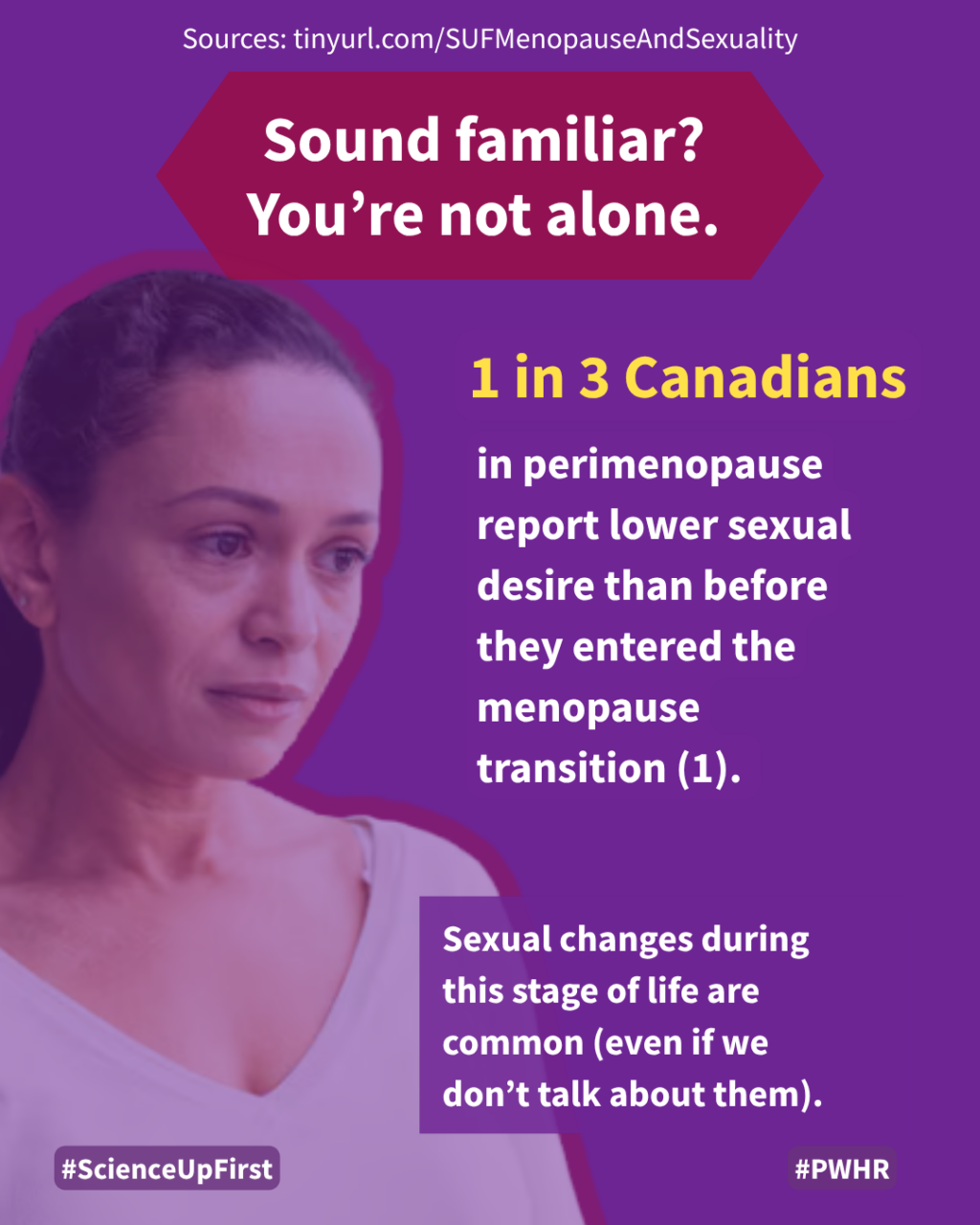
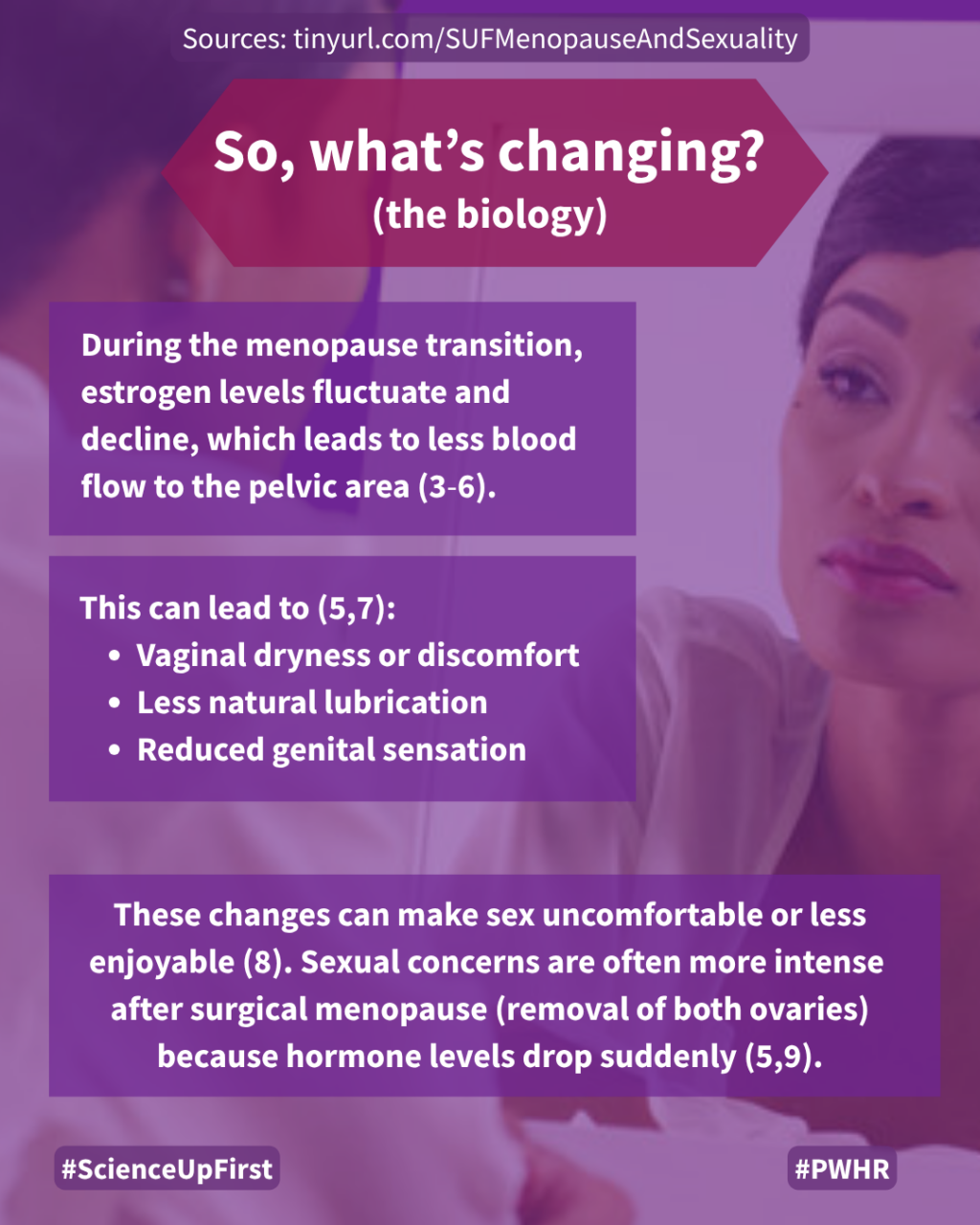
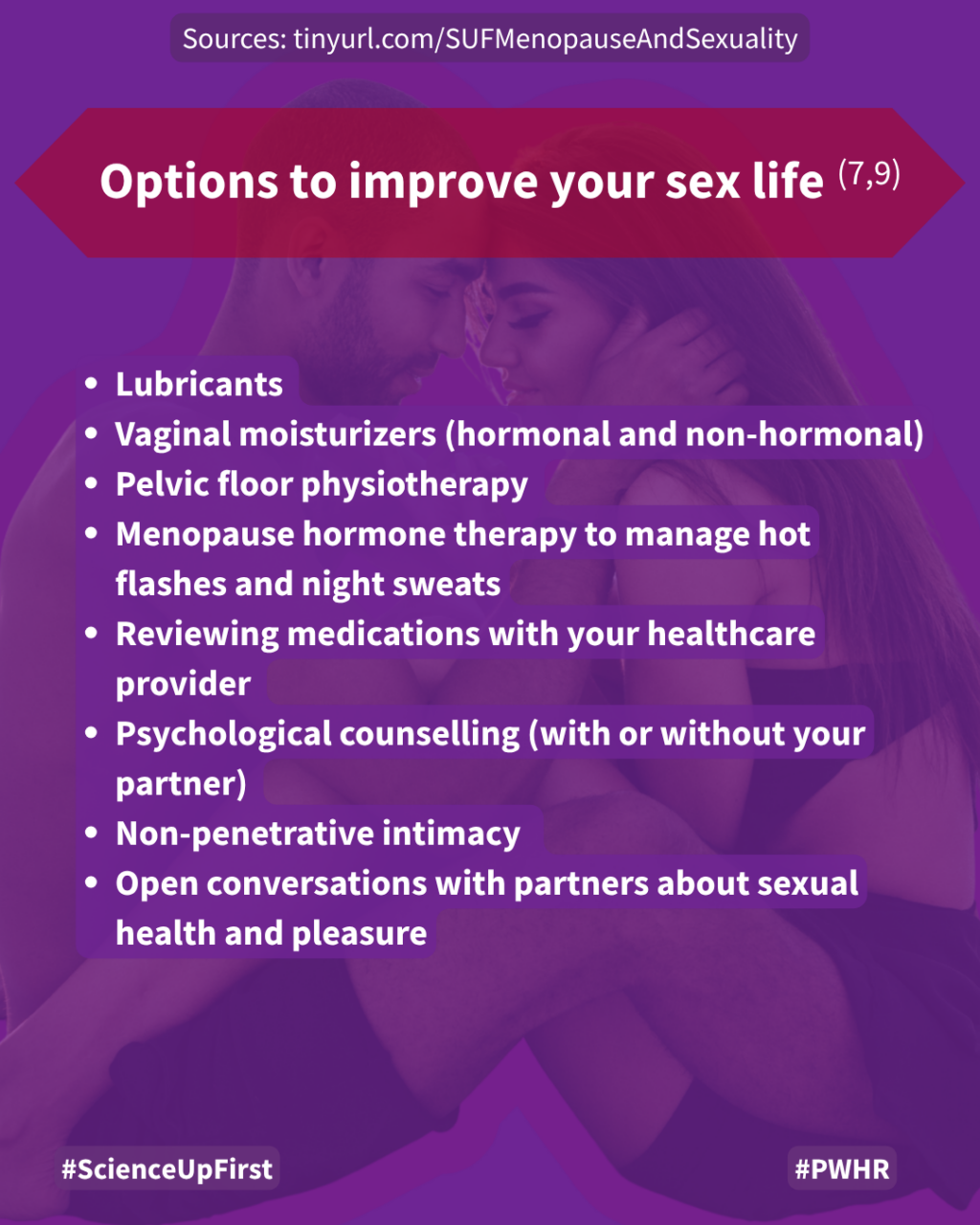
Estrogen is the name for a category of sex hormones including estradiol, estrone, and estriol. Estradiol is one of the hormones involved in moderating libido (sexual desire), so when estrogen decreases during the menopause transition, it can reduce libido (4).
Estrogen also plays an important role in keeping the vaginal and vulvar tissues healthy (7). When estrogen levels drop, blood flow to the vaginal area decreases, vaginal tissues become thinner and drier, natural lubrication is reduced, and tissues become less elastic (5,7). This can make sex feel uncomfortable or even painful. Some people may also experience irritation, small tears, burning, or itching because of these changes, leading to more pain (9). Low estrogen levels can also affect sexual enjoyment. Reduced blood flow can mean it takes longer to feel aroused, orgasms may feel less intense, and reaching orgasm may be more difficult (5). The pelvic floor muscles (which support the bladder, uterus, and bowel) can weaken with age and hormonal changes (7). This may also contribute to discomfort during sex.
Do I still need to use contraception after menopause?
After menopause, pregnancy is no longer possible because the ovaries stop releasing eggs. However, this does not mean that contraception is not needed. If you have multiple partners or a new partners, condoms are still important to help prevent sexually transmitted infections (STIs). Even after menopause, sexual health still matters!
Want some more information on sexuality during the menopause transition and after menopause?
Check out Menopause & U, a website created by the Society of Obstetricians and Gynaecologists of Canada that has great resources and information about sexuality during the menopause transition: Sexual health – Menopause and U
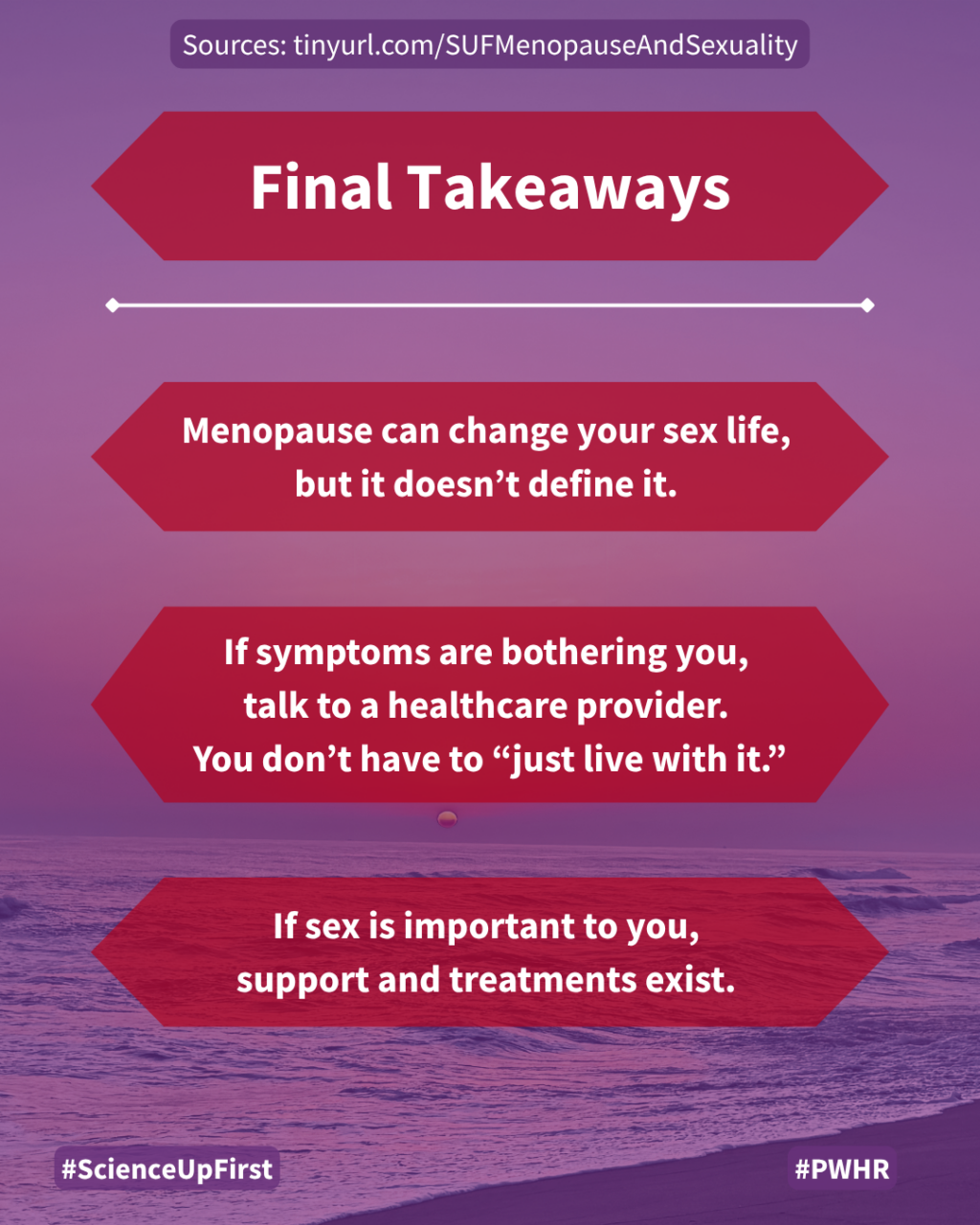
Menopause can affect your sex life but you’re not alone and you’re not stuck with it.
Changes are common, and support exists if you want it.
Read more here 👇
scienceupfirst.com/womens-healt…
This is a collaborative post with @pwhrcanada
#ScienceUpFirst
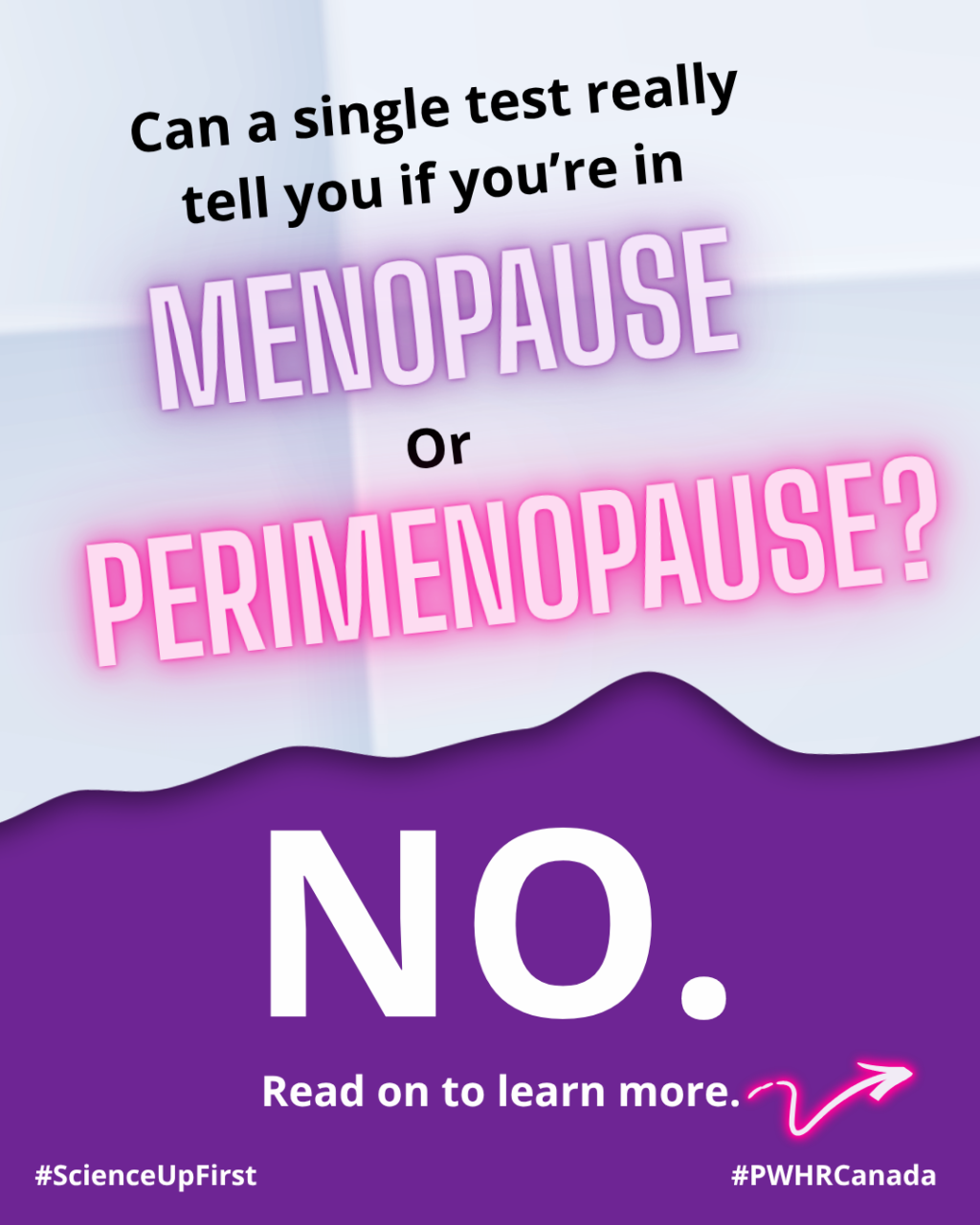
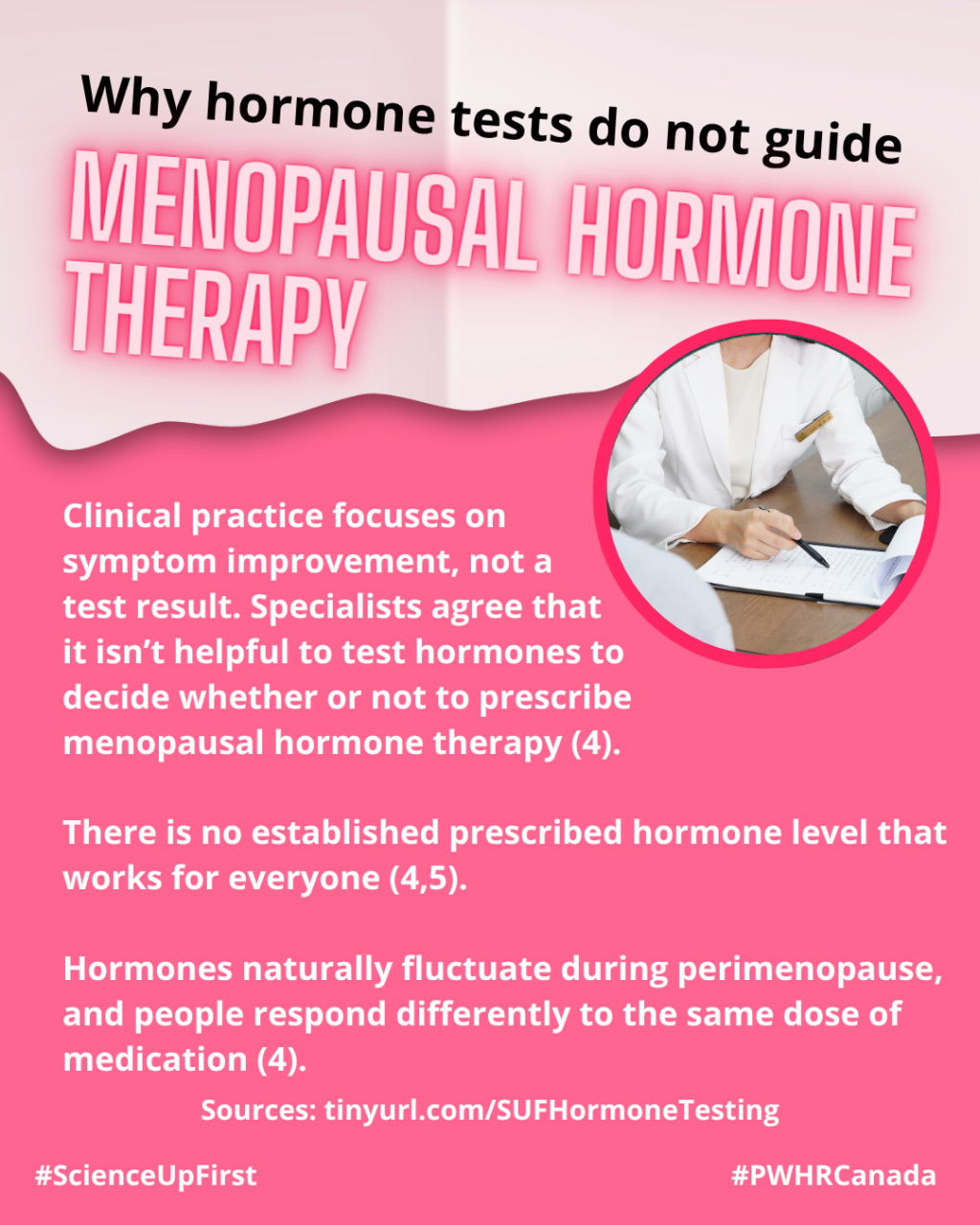
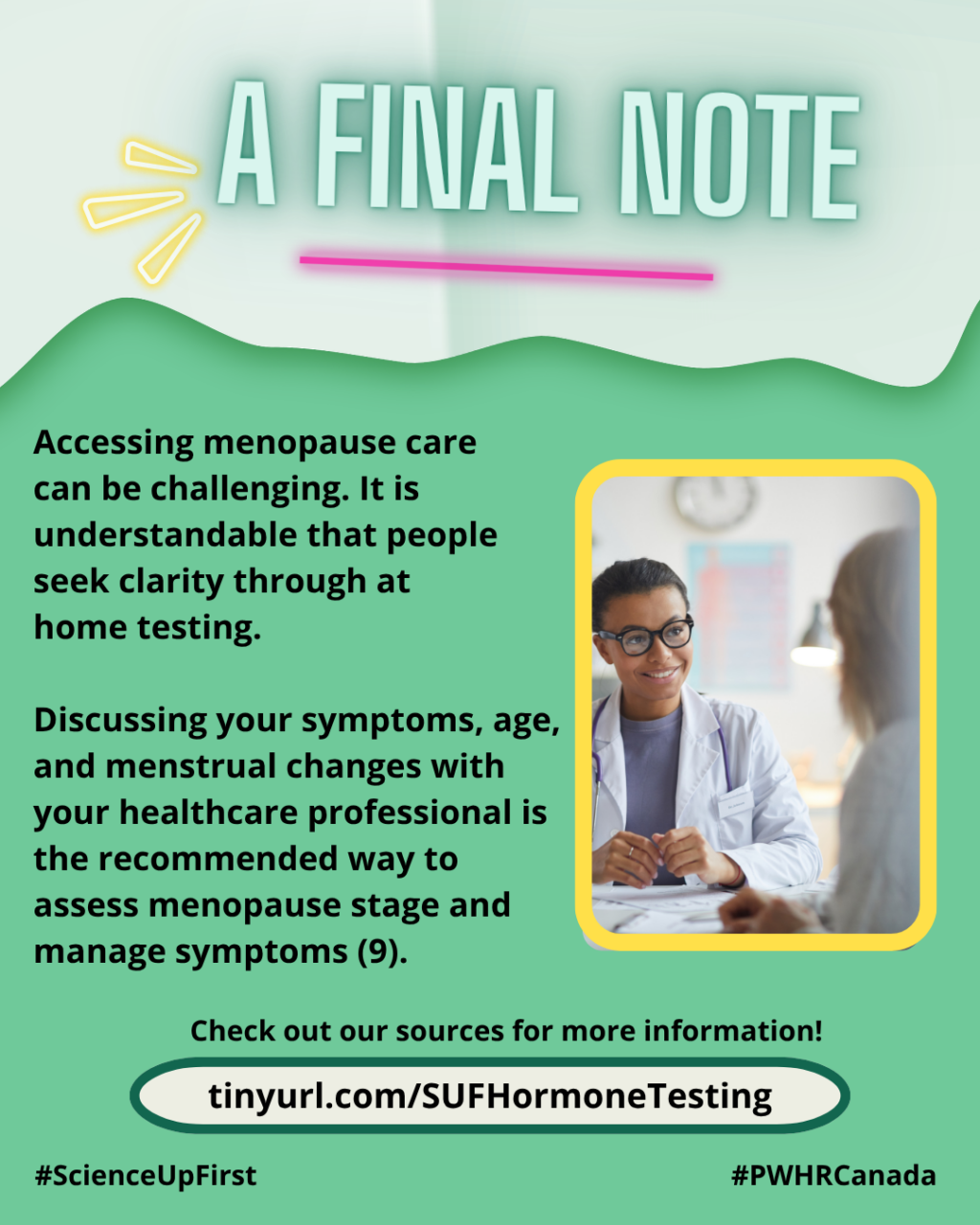
Accessing menopause care is already challenging enough.
Unfortunately, this can also be an opportunity for companies to market at-home tests that do not paint a full or accurate picture. Hormones fluctuate throughout the day and the week due to many factors and a one-time snapshot is unlikely to be useful.
What’s more, specialists do not typically use hormone testing to make decisions about menopause diagnosis or treatment.
This post was made in collaboration with @pwhrcanada.
Resources
Have some more questions about what we talked about in our post? Here are some answers to common questions.
Can you explain hormone fluctuation more?
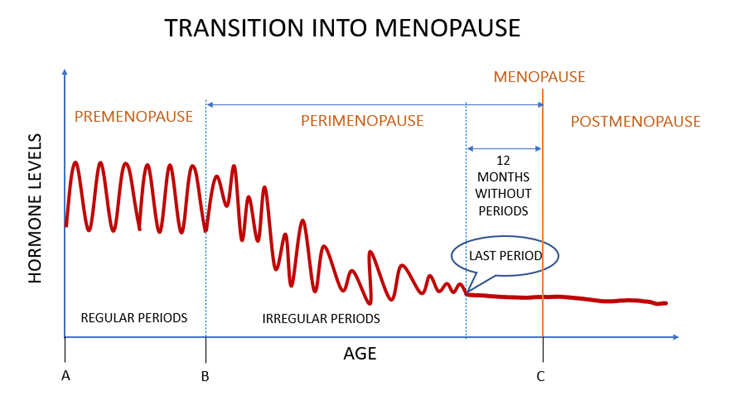
Hormone levels are meant to change. They rise and fall throughout the day and across your life to help your body respond to things like stress, aging, illness, medication, and daily activities (10,11). Because of this, a hormone level measured at one moment may look very different hours or days later.
One example is estrogen. Estrogen plays a key role in the menstrual cycle. Levels rise to help trigger ovulation (the release of an egg) and to support a possible pregnancy. After ovulation, or if pregnancy does not occur, estrogen levels naturally fall (12).
What is menopausal hormone therapy?
Menopausal hormone therapy is a prescription treatment that uses estrogen and progesterone to help relieve menopause symptoms. It works by temporarily increasing estrogen and progesterone hormone levels (hormones that decline during the menopause transition). It is available in different forms including pills, patches, creams, sprays, and vaginal tablets. Some forms affect the whole body, while others work only in the vagina. Menopausal hormone therapy is typically prescribed within 10 years of someone’s final menstrual period (13).
How is the right dose of menopausal hormone therapy determined?
There is no single correct dose for everyone, so determining the right dosage will be a conversation between you and your healthcare provider.
Current guidelines recommend starting at a low dose and adjusting as needed based on symptom improvement and side effects (5).
What is early menopause?
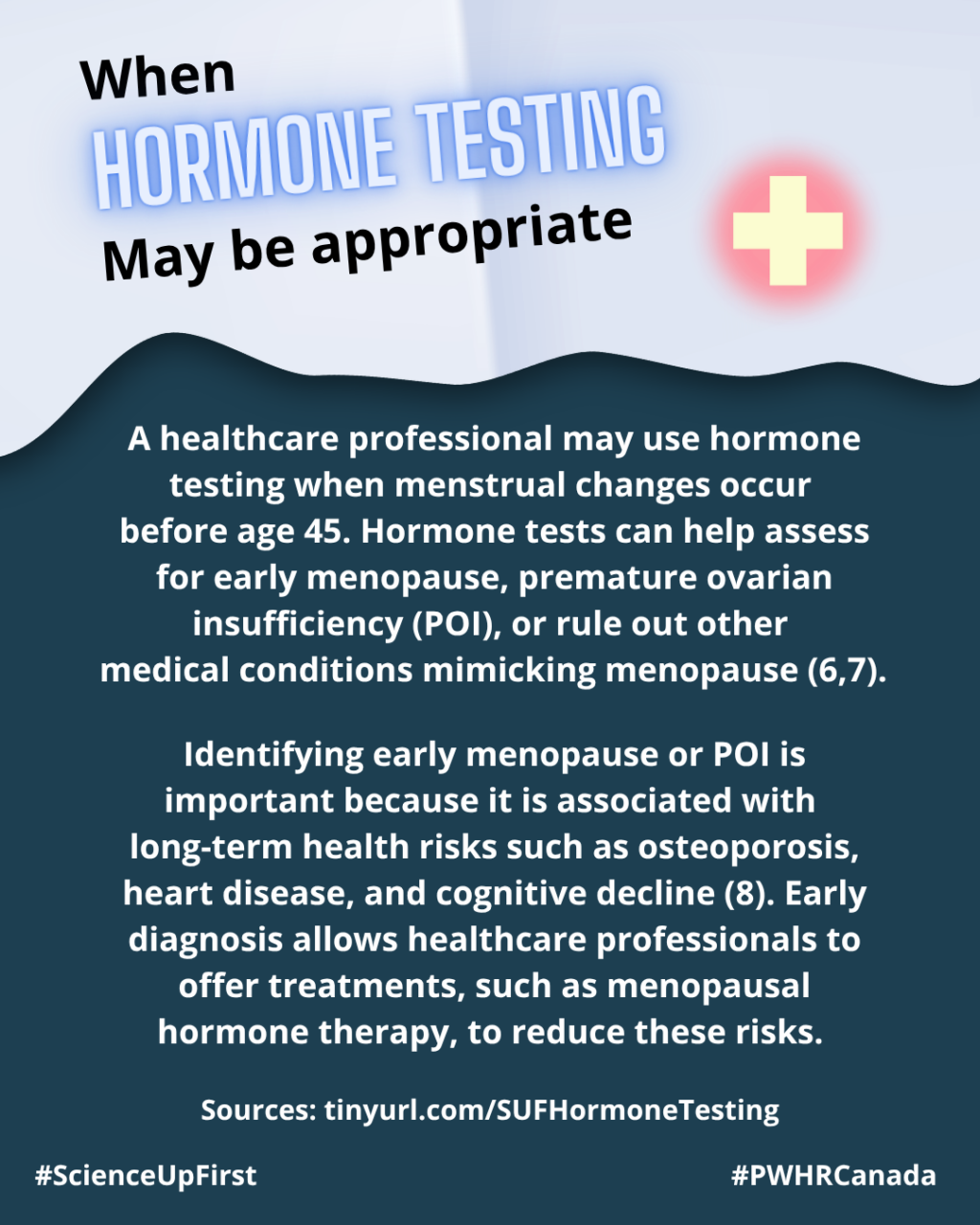
Early menopause occurs when menopause happens before age 45. It can be caused by many factors including chemotherapy or radiation to treat cancer, surgery that removes your ovaries (oophorectomy) or uterus (hysterectomy), family history of early menopause, chromosomal conditions (where individuals are missing or have duplicated chromosomes), autoimmune diseases, smoking cigarettes, myalgic encephalomyelitis (chronic fatigue syndrome), or HIV or AIDS (14).
Why is detecting early menopause important?
People who experience early menopause are often advised to use menopause hormone therapy until the average age of menopause (about 51 in Canada). Research shows that hormone therapy in this group can improve menopause symptoms, prevent bone loss, reduce cognitive decline and mood issues, and support cardiovascular health (5).
Accessing menopause care is already challenging enough.
Unfortunately, this can also be an opportunity for companies to market at-home tests that do not paint a full or accurate picture.👇
scienceupfirst.com/womens-healt…
This post was made in collaboration with @pwhrcanada
#ScienceUpFirst
Pregnant? Getting the tetanus, diphtheria, and pertussis (Tdap) vaccine is the best way to protect you and your baby against pertussis (whooping cough).
When you get the Tdap vaccine, your body transfers antibodies that specifically protect against pertussis to your baby. This means they get some short-term protection against pertussis until they are old enough to be immunized against it themselves.
This post was made in collaboration with @Immunize.ca
Share our original Bluesky Post!
Pregnant?
Getting the Tdap vaccine is the best way to protect you and your baby against pertussis (whooping cough).
Learn more about pertussis: tinyurl.com/PertussisInP…
This post was made in collaboration between (@Immunize.ca) and (@ScienceUpFirst)
Postpartum & hormonal changes: What’s fact and what’s myth? 🧠
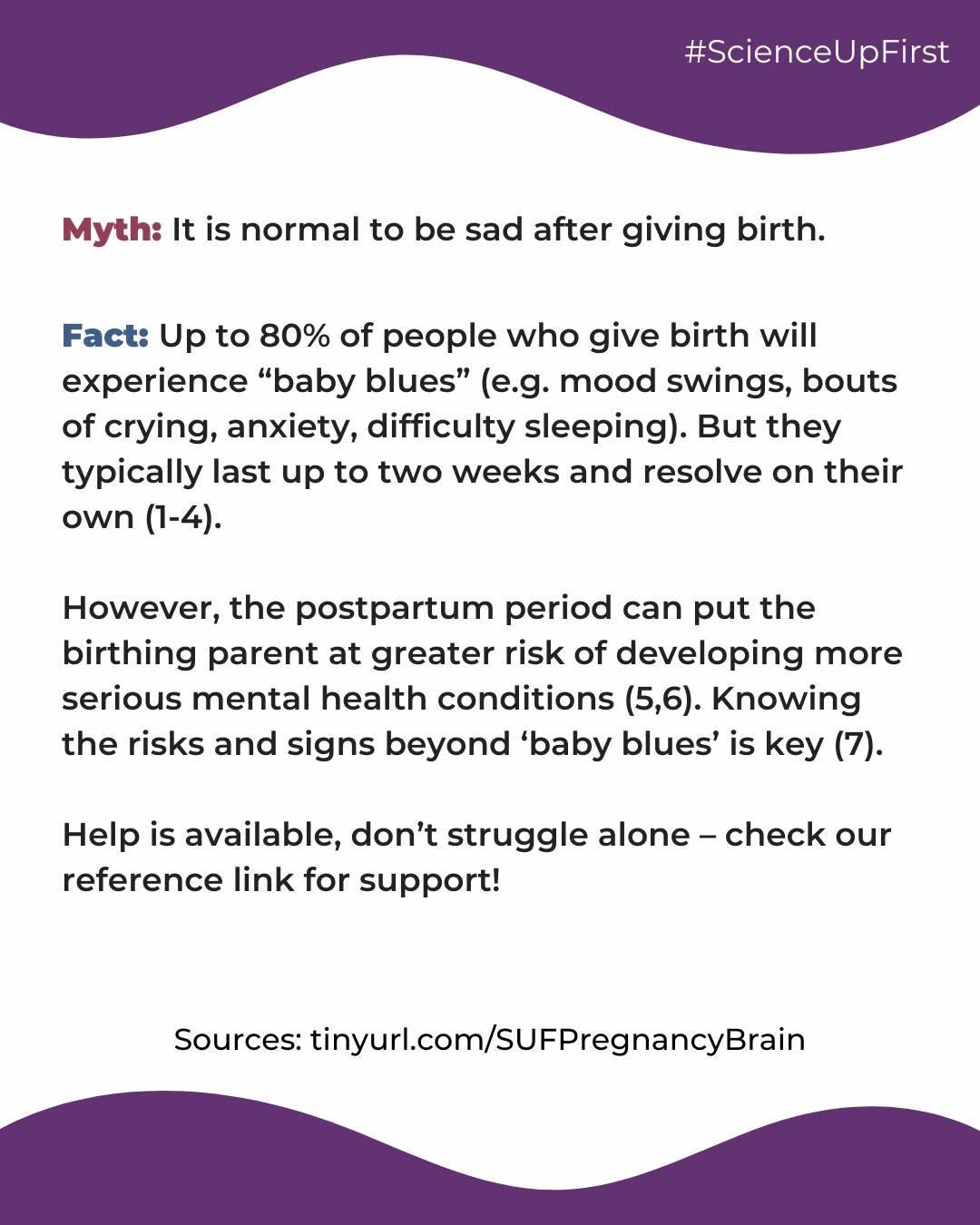
Feeling down after birth is common, but postpartum depression isn’t just “baby blues.” Around 13-20% of new parents experience postpartum depression, 10% face postpartum anxiety, and 1% experience postpartum psychosis (1,7). Knowing the signs is key.
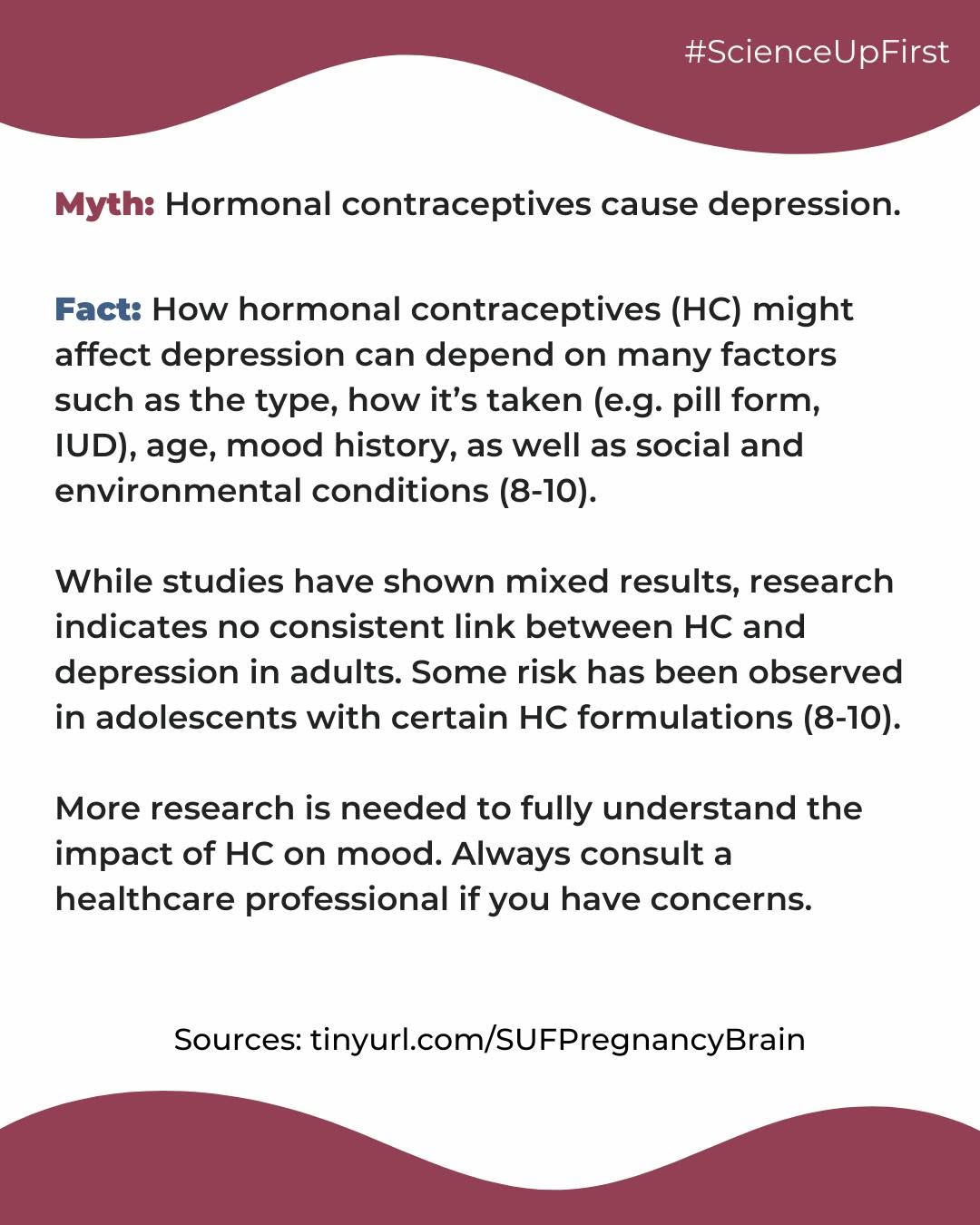
What about hormonal birth control? Despite common concerns, research finds no consistent link between hormonal contraceptives and depression in adults – though some risks exist for adolescents.
Let’s clear up some confusion about Postpartum, birth control and depression.
Feeling down after birth is common, but is isn’t just "baby blues." Knowing the signs is key.
See more here 👉https://scienceupfirst.com/womens-health/pregnancy-and-contraceptive-brain-changes/
#ScienceUpFirst
“Baby brain”, also known as “mommy brain”, “pregnancy brain” or “momnesia,” is often characterized by increased forgetfulness of appointments, dates and names, and a loss of focus on things other than the baby. Around 70% of pregnant individuals have memory complaints, but when tested in a laboratory setting, no cognitive deficits are seen. In fact, pregnant individuals showed better long-term memory and ease at learning and retaining new information about baby-related items (1,2).
While brain volume does decrease during pregnancy, it bounces back within 2 years after giving birth. In fact, these changes in grey matter are not a sign of decline but rather a natural process that enhances communication between different brain regions. This “rewiring” fosters greater attachment with the baby and supports the emotional and cognitive shifts needed for caregiving (3-11).
Believing in “mommy brain” can make people more aware of forgetfulness, reinforcing the idea that it’s real. It also ignores the physical and mental load of pregnancy and parenting, which can explain why focus and memory may feel different (1).
It’s time to rethink the narrative around “baby brain”. Instead of viewing it as a deficit, we can appreciate it as an example of the brain’s adaptability – a natural, temporary rewiring to meet the demands of a new life stage (1).
Is “mommy brain” real? Not in the way you think!
It’s time to rethink the narrative – “mommy brain” isn’t a deficit, it’s an adaptation. Learn more in our latest post! 👉 scienceupfirst.com/womens-healt…
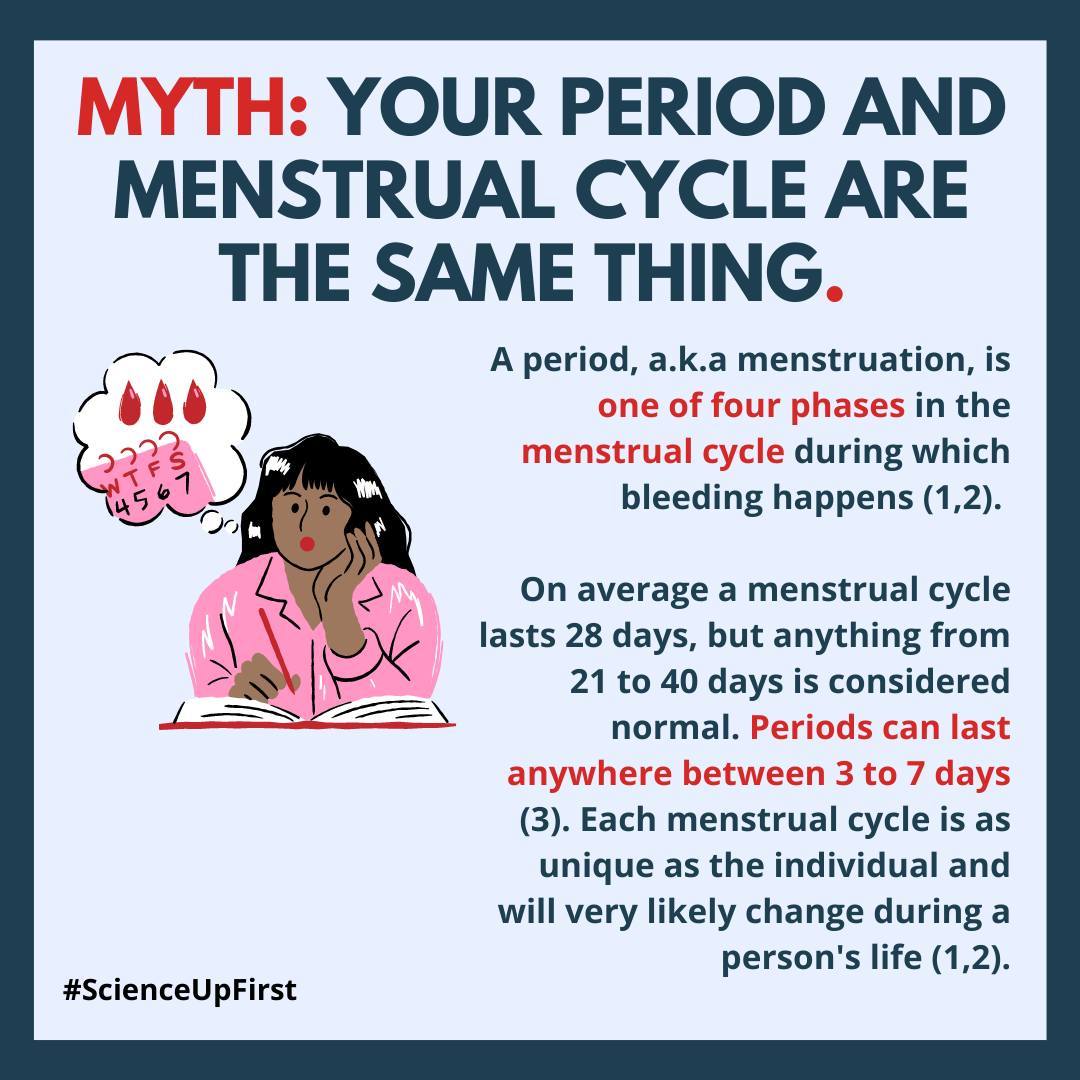
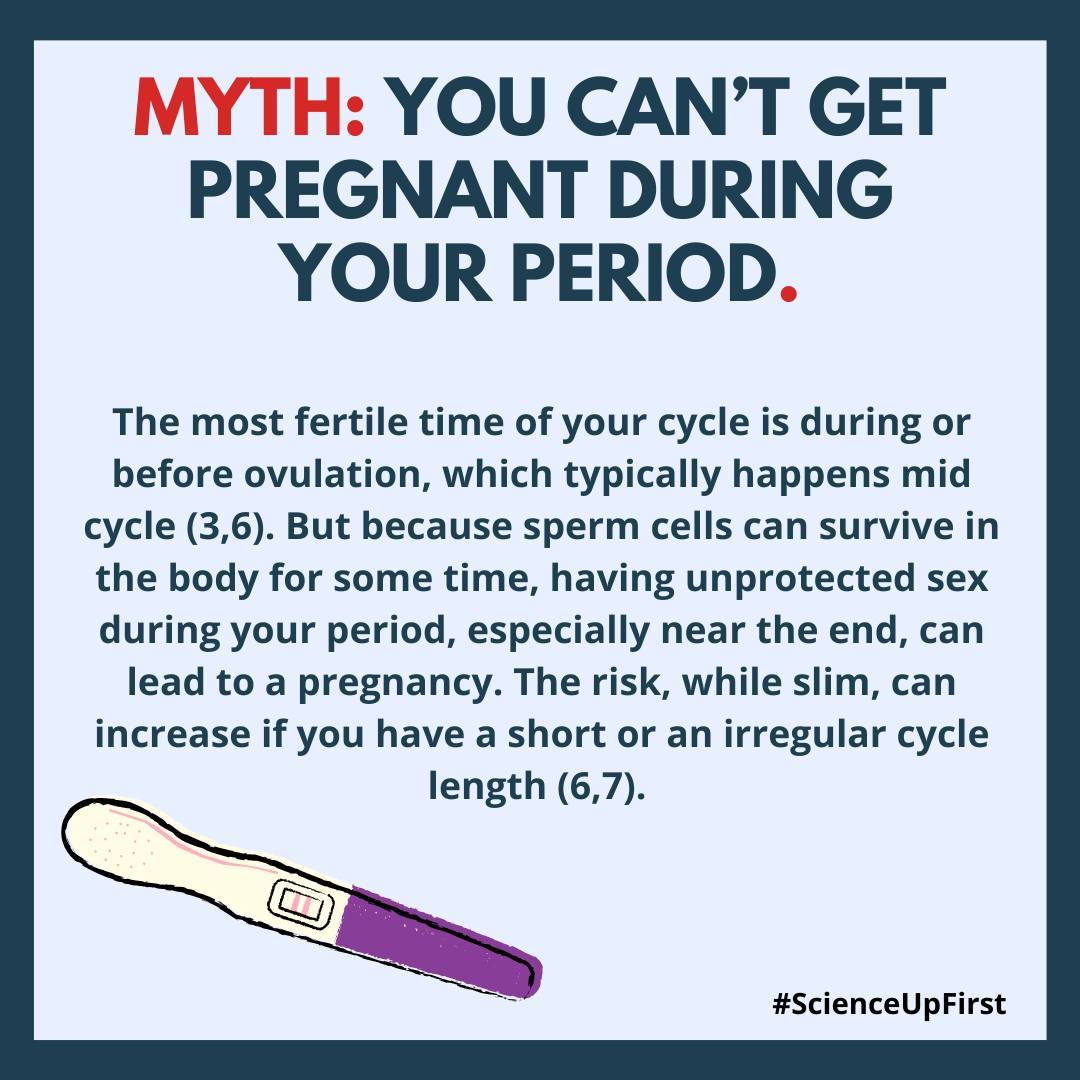
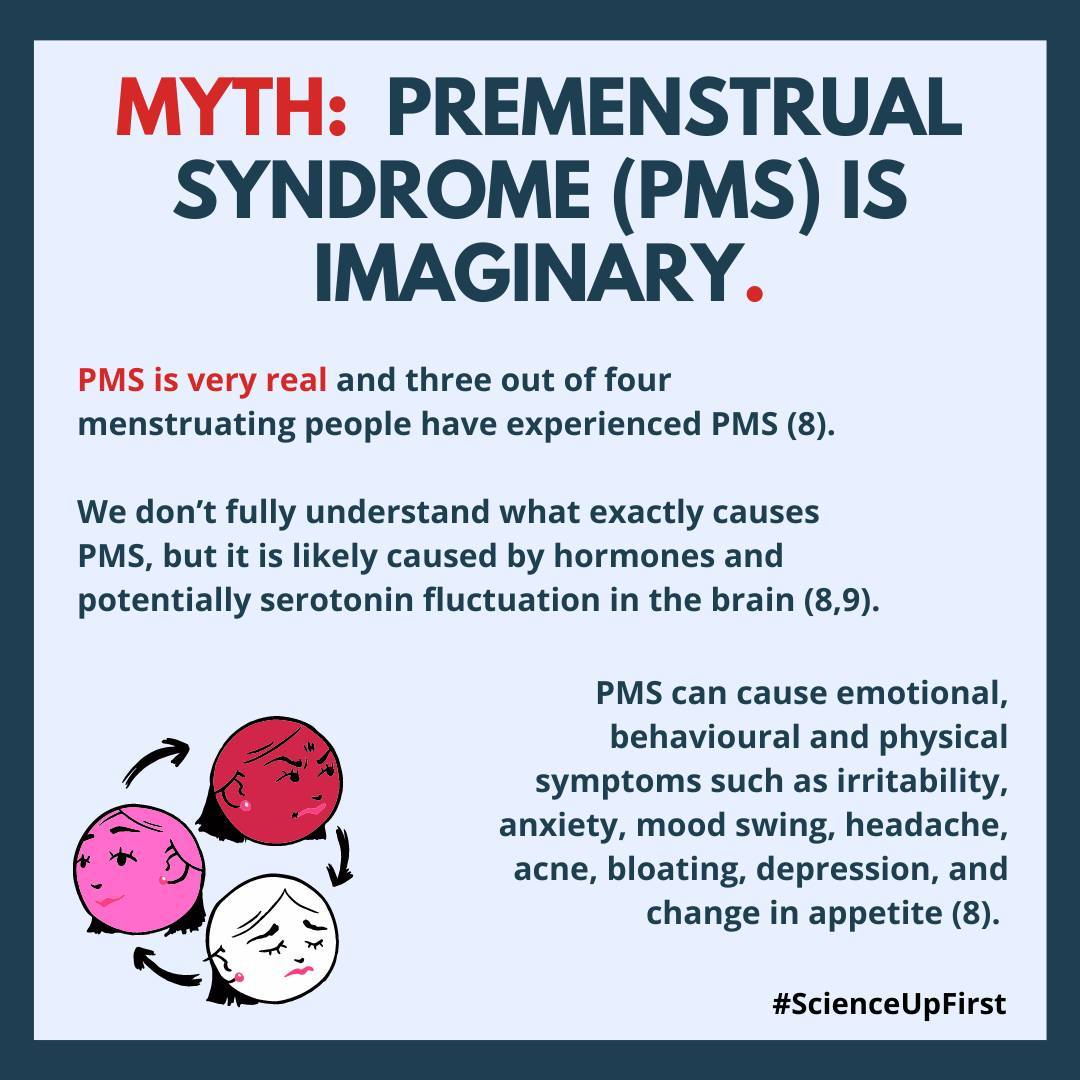
There is a lot of misconception about periods, which makes them often seen as shameful. They are not. They are a normal and healthy part of many people’s lives.
Let’s start talking about menstruation with these five common misconceptions:
Period is not a synonym for the menstrual cycle, but a distinct phase of it.
Not only women have their periods.
Menstruating people can still get pregnant while on their period.
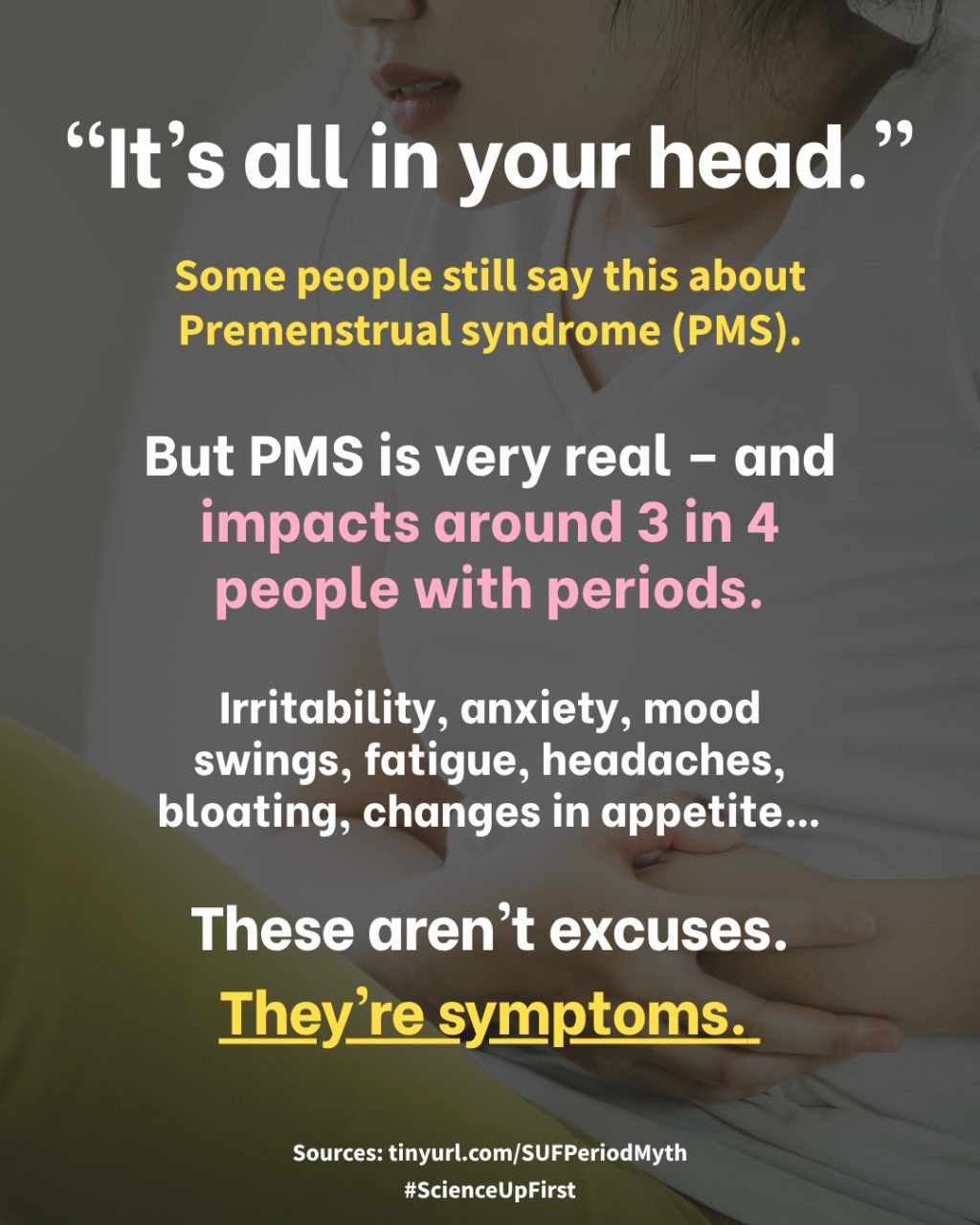
PMS exists even if we don’t fully understand it.
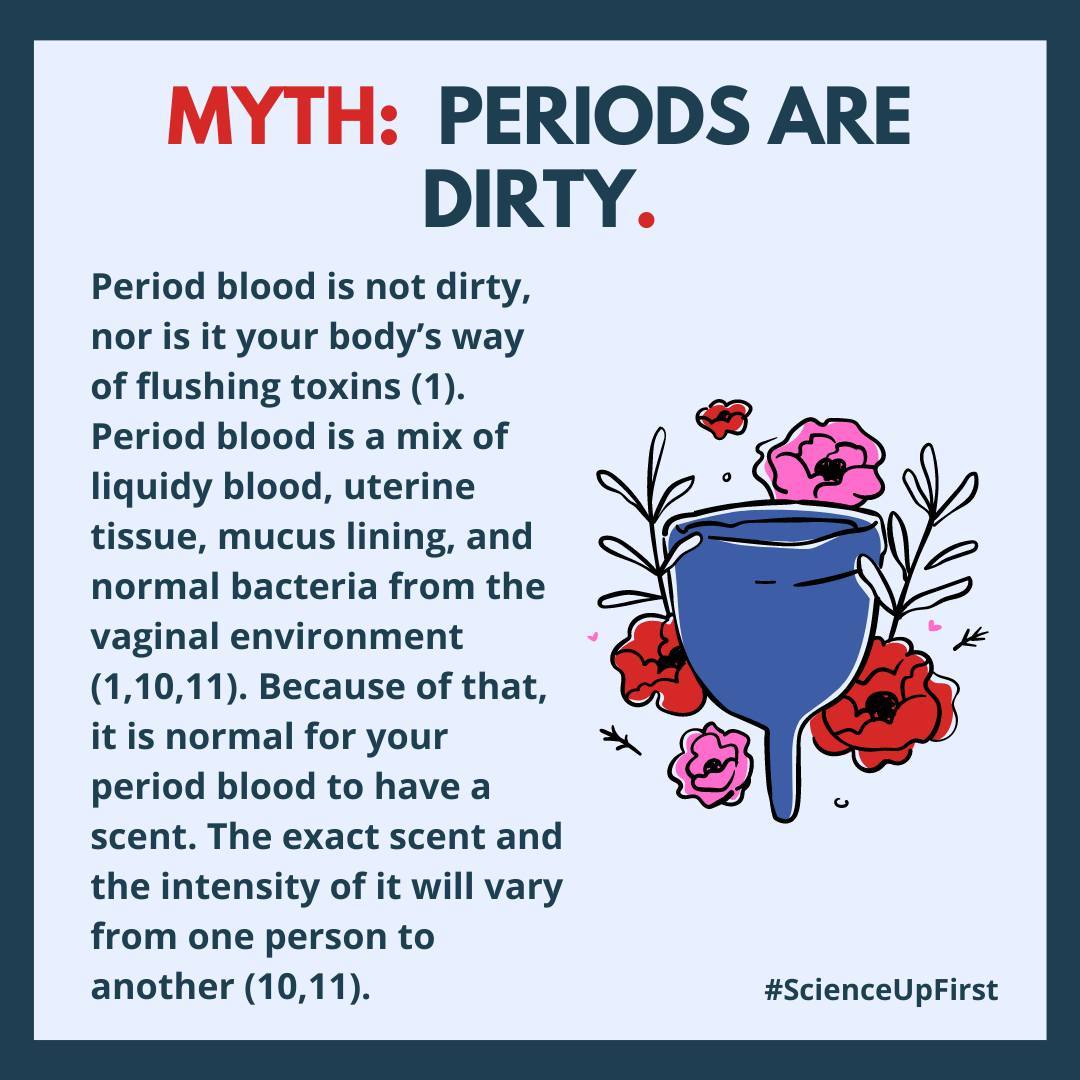
Period blood is not dirty and the smell of it is normal.
First, let’s clear things up: abortion ends a pregnancy, not the life of a child who has already been born (1). An ‘after-birth abortion’ is not a real thing.
Second, the misconception that abortions that take place after 20 weeks, are common and involve the k*lling of newborns is not only false but also dangerous. *Note: ‘late-term abortion’ is not a medical term but a political one.
The reality is, the vast majority of abortions happen before 20 weeks. In fact, almost 87% are performed during the first trimester* (i.e. first 12 weeks). Abortions performed after 21 weeks are extremely rare, representing an estimated 1.29% of all abortions performed in Canada (2). They typically occur under very sensitive circumstances, often after a diagnosis of a severe fetal abnormality or a serious health threat detected later in pregnancy (1,3,4,5).
People who oppose abortion will often use these rare cases to elicit an emotional response and push for broader restrictions on all abortions. But abortion in the second and third trimester of pregnancy is a medical necessity for a small number of people facing severe health challenges (4,6).
*Data collection on abortions is done by the Canadian Institute for Health Information (CIHI) (7). Note that as of 2021, CIHI no longer collects gestational age and complication rates from hospitals because this data represents only a small proportion of abortions in Canada, and is not representative of all abortions across all settings. The data mentioned here was collected in 2020 and reported in 2024.
Share this post to ensure misinformation does not interfere with good abortion care.
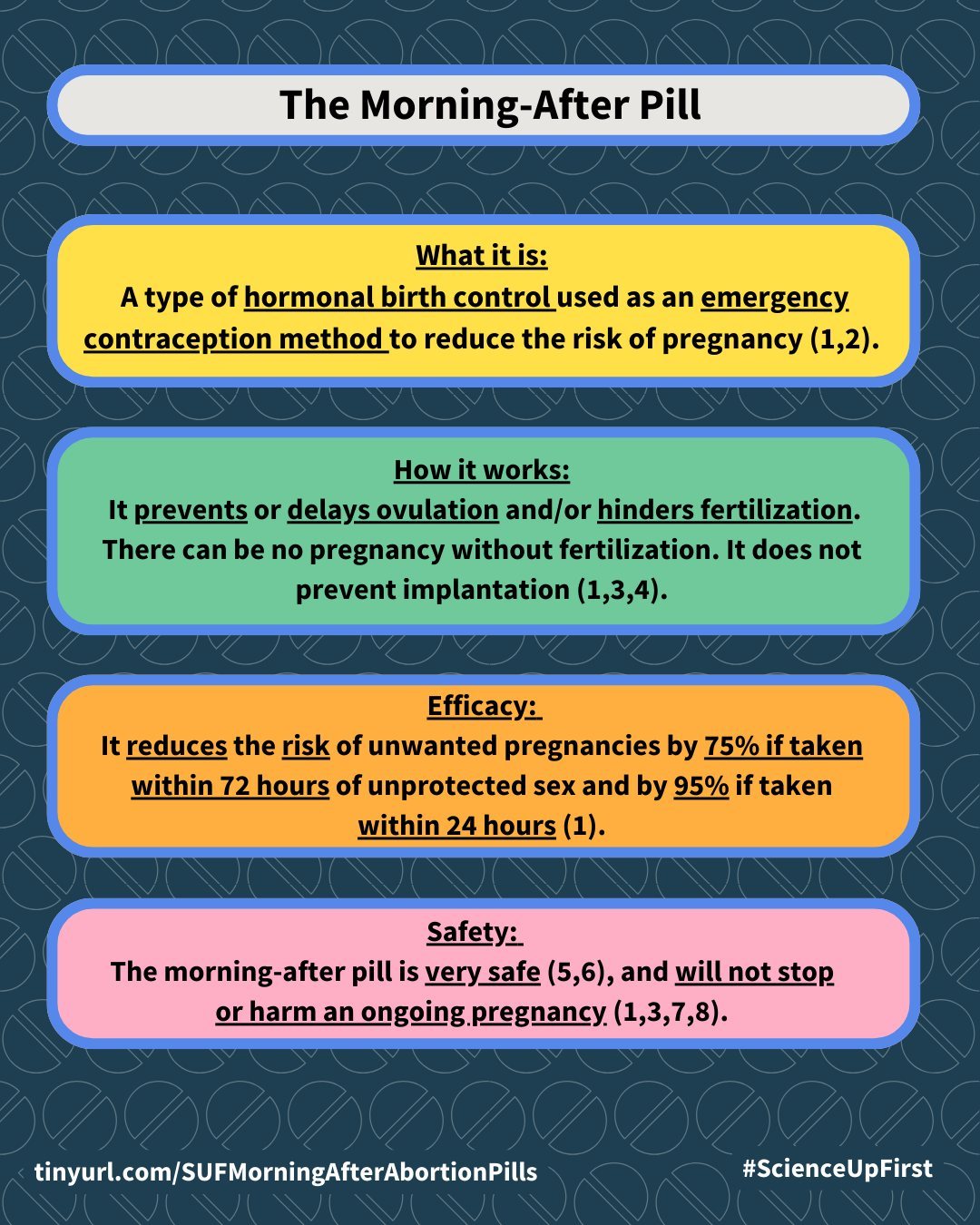
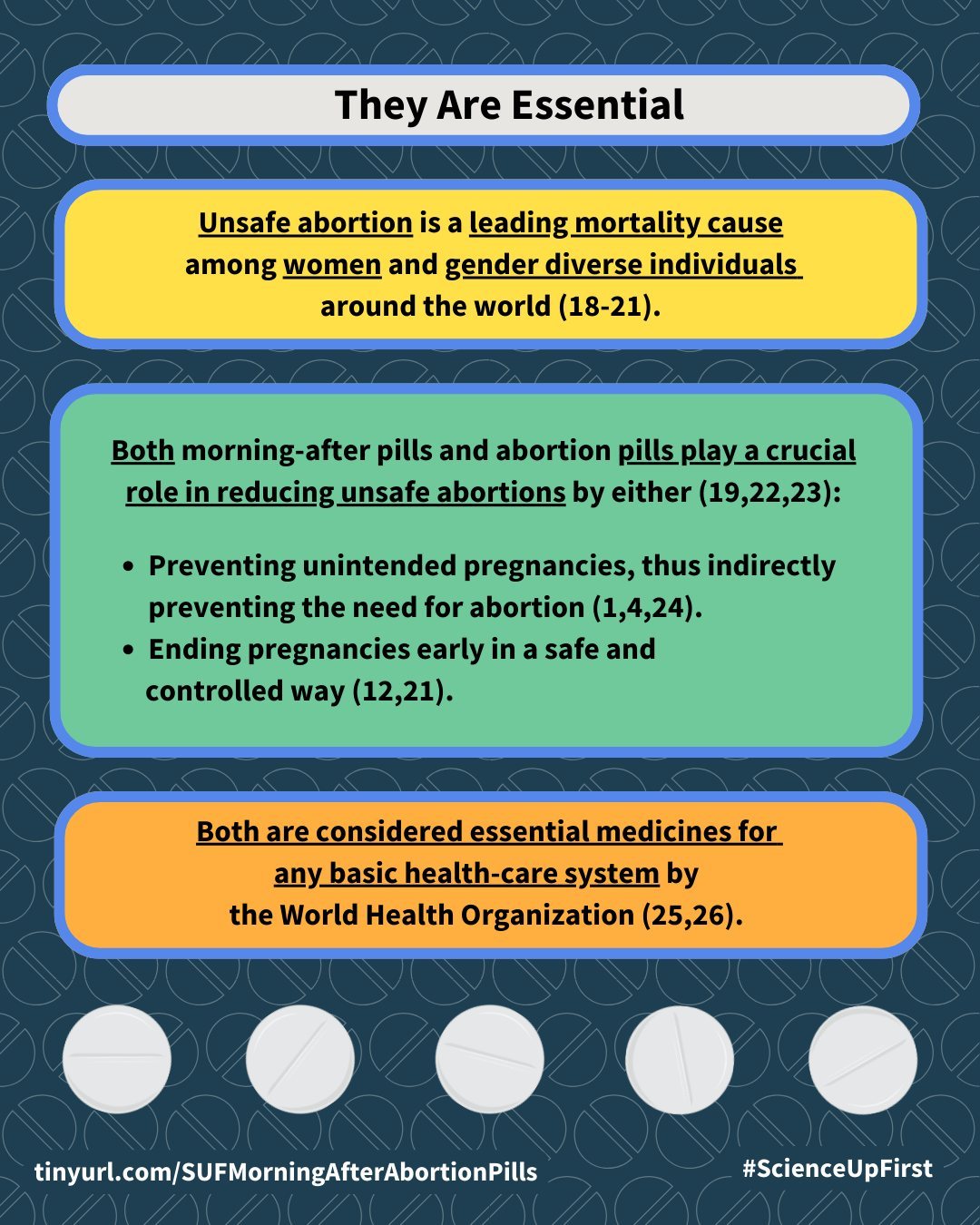
Emergency contraception is often confused with abortion pills, but they are not the same!
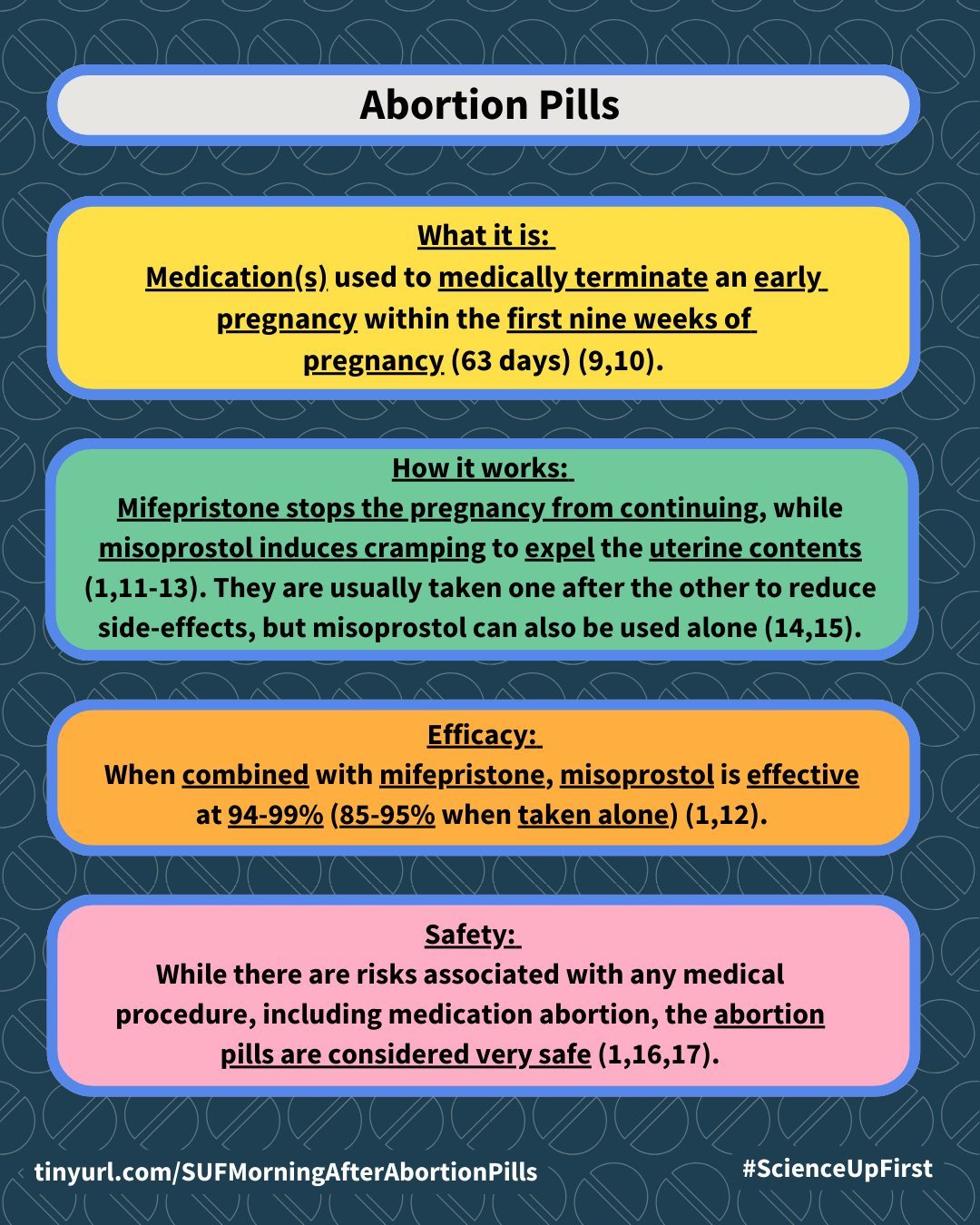
Morning-after pills are a type of emergency contraception used to prevent pregnancy, and indirectly abortion, while abortion pills are used to end an established pregnancy.
Both are essential to reduce mortality from unsafe abortion among women and gender diverse individuals.
Claims that hormonal contraceptives, such as The Pill, cause depression are rampant on social media, but what are the facts?
There is currently no clear evidence that hormonal contraception directly causes depression (21). It is possible that different methods of hormone administration or formulation have different types of effects, but the evidence remains unclear. If the method you are using currently is not working for you, speak to your provider (1,25,26).
While the evidence remains unclear, people with a history of depression should alert their provider to this fact when choosing contraceptive options so they can be monitored for any potential recurrence (28).
A big thank you to @pwhrcanada for assisting on this post!